Oolong may be the most difficult major tea category to describe in a single sentence.
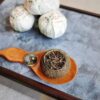
Some oolongs are pale, floral, creamy, and almost green in appearance. Others are dark, roasted, woody, fruity, and closer in character to black tea. Leaves may be tightly rolled into compact balls or left in long twisted strips. One oolong can smell like orchids and fresh fruit, while another suggests toasted nuts, honey, stone fruit, charcoal, or warm wood.
That extraordinary range comes from the way oolong is produced.
Like green tea, black tea, white tea, and pu-erh, oolong begins with leaves from Camellia sinensis. What distinguishes it is a complex style of processing in which the leaves are partially oxidized rather than being kept relatively green or allowed to oxidize more extensively as in black tea.
There is no single oxidation level that defines every oolong. Producers can manipulate withering, bruising, oxidation, shaping, drying, and roasting to create remarkably different teas.
That makes oolong an ideal category for anyone who enjoys exploring tea rather than drinking the same flavor every day.
This guide covers what oolong tea is, major styles worth trying, what it tastes like, how much caffeine it contains, how to brew it, and what the research actually says about its possible health benefits.
🍃 What Is Oolong Tea?
Oolong is a traditional tea made from the leaves of the Camellia sinensis plant.
It belongs to the same botanical family as:
- Green tea
- Black tea
- White tea
- Yellow tea
- Dark tea
What changes is the processing.
Oolong leaves are typically allowed to wither and are then manipulated or gently bruised so portions of the leaf begin reacting with oxygen. The producer controls this oxidation before heating the leaves to halt or greatly slow the process.
The tea may then be rolled, shaped, dried, and sometimes roasted.
That sounds straightforward, but small changes at every step can dramatically affect the final cup.
This is why “oolong” describes a whole family of teas rather than one particular flavor.
Explore the broader categories in our Tea Varieties guide.
🌿 Is Oolong Green Tea or Black Tea?
Neither.
Oolong is its own category.
You will often hear that oolong falls “between” green and black tea because it is partially oxidized. That is useful as a beginner explanation, but it can also make oolong sound like a compromise between two more important teas.
It is much more interesting than that.
A very lightly oxidized oolong can indeed resemble green tea, especially in color and freshness.
A more heavily oxidized or roasted oolong can move toward the fruity, malty, and darker character associated with black tea.
But oolong production involves techniques and flavor goals that are distinctive in their own right.
If green tea and black tea represent two broad ends of a processing spectrum, oolong occupies an enormous landscape between them.
🔬 What Does “Oxidized” Mean?
Oxidation begins when enzymes inside damaged tea leaves interact with oxygen.
Think about what happens when you cut an apple and leave it exposed to air. The fruit gradually changes color as chemical reactions occur.
Tea leaves undergo their own much more carefully controlled transformations.
During oolong production, withering and repeated gentle agitation or bruising may damage portions of the leaf. Oxidation then alters color, aroma, and flavor.
The producer eventually applies heat to stop the process at the desired stage.
This can create teas ranging from fresh and floral to rich and fruity.
🌈 There Is No Single Oolong Flavor
If someone tells you they dislike oolong after trying one cup, they may simply have tried the wrong oolong.
The category can include flavors reminiscent of:
- Orchid
- Lilac
- Gardenia
- Honey
- Peach
- Apricot
- Pear
- Citrus
- Cream
- Butter
- Fresh greens
- Toasted grain
- Nuts
- Caramel
- Wood
- Mineral
- Charcoal
Not every tea contains all of these notes.
That is precisely the point.
Taiwan’s Tea and Beverage Research Station, for example, distinguishes fragrant floral oolongs from heavily roasted styles and describes Oriental Beauty separately for its particularly fruity, honey-like character.
Oolong may be one category, but it contains many very different experiences.
🌸 Light Oolong Tea
Lightly processed oolongs are often the easiest entry point for green-tea drinkers.
The leaves may remain vividly green, particularly in tightly rolled Taiwanese styles.
Common impressions include:
- Flowers
- Fresh vegetation
- Sweet cream
- Butter
- Melon
- Pear
- Fresh sugarcane
The liquor may be pale yellow, yellow-green, or honey-colored.
These teas can be wonderfully aromatic.
Open a warm teapot after brewing a good floral oolong and the fragrance can be almost startling.
🔥 Roasted Oolong Tea
Roasting changes oolong dramatically.
Depending on the roast, the tea may develop flavors reminiscent of:
- Toasted nuts
- Baked grain
- Caramel
- Cocoa
- Wood
- Coffee
- Dried fruit
- Roasted sugar
A carefully roasted oolong should still have depth beneath the roast.
The goal is not simply to scorch the leaves.
Traditional roasted styles can be especially enjoyable in cool weather or after meals.
🏔️ Taiwanese High-Mountain Oolong
Taiwan is famous for its high-mountain oolongs.
These are generally lightly oxidized, tightly rolled teas produced in higher-elevation tea districts.
The leaves unfurl dramatically when steeped.
Taiwan’s Tea and Beverage Research Station describes high-mountain oolong as a lightly fermented—or, in modern English tea terminology, lightly oxidized—ball-shaped oolong. The brewed tea is generally pale honey-green to honey-yellow.
High-mountain oolongs are often prized for fragrance, sweetness, and a smooth mouthfeel.
Depending on the tea, you may notice orchids, cream, fresh vegetation, fruit, or a lingering sweetness after swallowing.
Famous Taiwanese mountain areas include Alishan, Lishan, and Shanlinxi, although “high mountain” describes a style and growing environment rather than one single tea.
🌿 Wenshan Baozhong
Wenshan Baozhong, also written Paochong, is one of Taiwan’s most fragrant lightly oxidized teas.
Unlike tightly rolled high-mountain oolong, Baozhong is typically made in long, naturally curled strips.
Its character is often distinctly floral.
Taiwan’s Tea and Beverage Research Station describes quality Wenshan Paochong as having an elegant floral aroma with a smooth, sweet, brisk flavor and lingering aftertaste.
This is an excellent oolong to try if you enjoy:
- Jasmine tea
- Fragrant green tea
- Light floral teas
- Delicate aromas
It demonstrates just how close one edge of the oolong spectrum can come to the freshness of green tea while maintaining a personality of its own.
🔥 Dong Ding Oolong
Dong Ding—also written Tung Ting or Tongding—is one of Taiwan’s classic oolong styles.
Its name is especially associated with Lugu Township in Nantou County, although the manufacturing techniques are now used in additional tea-growing areas.
Traditional Dong Ding combines partial oxidation with roasting.
The result is generally deeper than very light high-mountain oolong.
Taiwan’s tea research authorities describe it as a moderately oxidized and moderately roasted ball-shaped tea with a golden-yellow liquor, pronounced roasted aroma, rich flavor, and lingering finish.
Depending on the producer and roast, you might notice:
- Toasted nuts
- Honey
- Baked fruit
- Caramel
- Wood
- Roasted grain
Modern Dong Ding varies considerably, so trying examples from multiple producers is worthwhile.
🌺 Tieguanyin
Tieguanyin, sometimes written Tie Guan Yin or Tieh-Kuan-Yin, is one of the world’s most famous oolong names.
The name is commonly translated as Iron Goddess of Mercy.
Tieguanyin is particularly associated with Anxi in China’s Fujian Province, while Taiwan also developed its own important tradition, especially around Muzha.
Modern Tieguanyin can vary enormously.
Some contemporary examples are lightly oxidized and brilliantly floral.
More traditional roasted versions can be darker, richer, and more complex.
Taiwanese Muzha Tieguanyin is traditionally associated with moderate oxidation and repeated roasting, producing an amber-colored tea with a rich, mellow, slightly fruity or gently acidic character.
If you try one green, floral Tieguanyin and one deeply roasted traditional version side by side, you might have difficulty believing they belong to the same tea family.
🌸 Oriental Beauty
Oriental Beauty is one of Taiwan’s most distinctive teas.
It goes by several other names, including White-Tip Oolong and Bai Hao Oolong.
Unlike many pale Taiwanese oolongs, Oriental Beauty is relatively heavily oxidized.
It is also famous for an unusual agricultural relationship involving small leafhoppers.
The insects feed on developing tea shoots, triggering changes in the plant that contribute to the tea’s highly prized honey-like aroma.
Quality Oriental Beauty can offer notes of:
- Honey
- Ripe fruit
- Peach
- Muscat grape
- Flowers
- Citrus
The brewed liquor is generally orange to reddish-orange.
This is an excellent oolong for black-tea drinkers who want to begin exploring the category.
🐝 Why Does Oriental Beauty Taste Like Honey?
The honey character does not normally come from adding honey.
Tea leaves used for Oriental Beauty are intentionally harvested after they have been affected by small green leafhoppers.
The plant responds to the feeding damage, and this interaction helps produce some of the aroma compounds associated with the tea’s characteristic honey and ripe-fruit fragrance.
This relationship between insect, plant, weather, processing, and flavor makes Oriental Beauty one of the more fascinating examples of agricultural terroir in tea.
🔴 Red Oolong
Red Oolong is a comparatively modern Taiwanese style.
It was developed in Taiwan’s Luye tea-growing region and combines characteristics associated with oolong and black-tea processing.
Taiwan’s Tea and Beverage Research Station describes Red Oolong as having the highest oxidation level among its oolong styles, along with substantial roasting.
The infusion can be reddish-orange and may offer:
- Ripe fruit
- Honey
- Toast
- Sweet spice
- Roasted notes
Red Oolong also works particularly well as an iced tea or cold brew.
If you normally drink black tea, this is another approachable place to enter the oolong world.
🪨 Wuyi Rock Oolong
The Wuyi Mountains of Fujian, China, are famous for a group of oolongs commonly called yancha, or rock tea.
The name refers to the dramatic rocky environment in which these teas developed.
Wuyi oolongs are generally darker and more roasted than pale Taiwanese high-mountain teas.
They may have flavors suggesting:
- Mineral
- Roasted nuts
- Wood
- Dried fruit
- Flowers
- Caramel
- Charcoal
Tea enthusiasts sometimes use the phrase yan yun, or “rock rhyme,” when discussing the distinctive character associated with quality Wuyi tea.
It is a difficult concept to reduce to one tasting note.
Rather than searching desperately for “rock flavor,” pay attention to the tea’s structure, mineral character, aroma, and lingering finish.
🏮 Da Hong Pao
Da Hong Pao, or Big Red Robe, is the best-known name within the world of Wuyi rock tea.
The tea has accumulated plenty of legend and marketing mythology.
Historic mother bushes in the Wuyi Mountains have enormous cultural prestige, but the Da Hong Pao sold commercially today is produced from propagated plants, related cultivars, or blends intended to express the traditional style.
A good Da Hong Pao-style tea may be deep, mineral, roasted, floral, and fruity.
Do not assume that the most dramatically expensive package automatically contains the best tea.
Origin, producer, storage, and brewing matter more than mythology.
🌺 Phoenix Dan Cong
Phoenix Dan Cong comes from Guangdong Province in southern China.
These oolongs are famous for intense natural aromas.
Different Dan Cong teas may evoke:
- Orchid
- Honey
- Peach
- Almond
- Citrus blossom
- Gardenia
- Ginger flower
- Stone fruit
The aromatic intensity can be so striking that beginners sometimes assume flavoring has been added.
High-quality traditional examples develop those aromas through cultivar, growing environment, and processing rather than perfume.
Dan Cong can also become bitter if brewed carelessly, making it a rewarding tea for anyone interested in refining brewing technique.
🧶 Rolled vs. Twisted Oolong
Oolong leaves appear in two broad shapes.
Ball-Rolled Oolong
Leaves are repeatedly rolled into compact pellets or semi-balls.
Examples include many:
- Taiwanese high-mountain oolongs
- Dong Ding teas
- Tieguanyin styles
These leaves expand dramatically during brewing.
Give them plenty of space.
Strip-Style Oolong
Leaves remain elongated and twisted rather than forming tight balls.
Examples include many:
- Wuyi rock teas
- Phoenix Dan Cong teas
- Wenshan Baozhong teas
Leaf shape does not tell you everything about flavor, but it can give clues about the production tradition and how much room the tea will need in the brewing vessel.
🍵 What Does Oolong Tea Look Like?
There is no standard appearance.
Dry oolong leaves may be:
- Bright green
- Olive
- Brown-green
- Dark brown
- Nearly black
- Tightly rolled
- Loosely curled
- Long and twisted
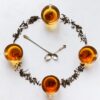
The brewed liquid can range from pale yellow-green to golden amber and reddish orange.
If you have only seen one type of oolong, browsing a good specialty tea shop can be eye-opening.
The category is visually diverse before you even taste it.
☕ Does Oolong Tea Have Caffeine?
Yes.
Oolong comes from Camellia sinensis, so it naturally contains caffeine.
There is no reliable rule that says every oolong contains a particular amount or that oolong is automatically lower in caffeine than black tea or higher than green tea.
Caffeine in the finished cup varies according to factors including:
- Cultivar
- Growing conditions
- Leaf age
- Processing
- Amount of tea used
- Water temperature
- Steeping time
- Number of infusions
Recent laboratory research comparing different teas has shown that brewing conditions can substantially change caffeine extraction.
Hotter water and longer steeping generally extract more caffeine.
The practical takeaway is simple: oolong is caffeinated, but the amount in your cup is variable.
🌙 Can You Drink Oolong Tea at Night?
That depends on your sensitivity to caffeine.
Some people can drink tea after dinner without noticing any effect on sleep.
Others are highly sensitive and prefer to stop drinking caffeinated beverages much earlier in the day.
Do not assume that a pale-colored oolong is caffeine-free simply because it looks delicate.
Color is not a dependable measure of caffeine.
If caffeine interferes with your sleep, switch to an herbal tea such as Chamomile or Rooibos in the evening.
💚 Does Oolong Contain L-Theanine?
Yes.
Oolong naturally contains L-theanine, an amino acid found in tea.
The amount varies significantly according to the tea and how it is brewed.
L-theanine is often discussed alongside caffeine because both occur naturally in Camellia sinensis.
Research into tea, caffeine, and L-theanine continues, but it is better not to reduce a cup of oolong to two isolated chemicals.
Its aroma, flavor, polyphenols, caffeine, amino acids, and the simple experience of drinking tea all contribute to the cup.
🌡️ What Temperature Should You Use for Oolong?
Oolong brewing temperatures vary by style.
A useful starting range is:
Light floral oolong: about 180–195°F
Medium or roasted oolong: about 190–205°F
Dark Wuyi-style oolong: about 195–205°F
These are starting points rather than rigid rules.
A delicate high-mountain tea may taste wonderfully fragrant at the lower end.
A roasted rock tea may need hotter water to fully open.
Good oolong rewards experimentation.
Visit our How to Brew Tea guide for more fundamentals.
🫖 How to Brew Oolong Tea Western Style
For one mug, begin with approximately:
- 1 teaspoon rolled oolong or 1 to 2 teaspoons loose strip-style oolong
- 8 ounces water
- Appropriate water temperature for the tea
- 2 to 5 minutes steeping time
Place the leaves in a roomy infuser or teapot.
Pour over the hot water.
Steep.
Strain completely.
Taste before adjusting anything.
If the cup is weak, use more tea next time.
If it is harsh, reduce the steeping time or temperature.
🥢 How to Brew Oolong Gongfu Style
Oolong is one of the best categories for gongfu-style brewing.
This method uses a relatively high proportion of leaves in a small vessel and a series of short steeps.
A small gaiwan or clay teapot works well.
A simple starting approach is:
- Fill roughly one-quarter of the vessel with rolled oolong, or somewhat more loosely with strip-style leaves
- Use hot water appropriate for the tea
- Begin with a short infusion of around 15 to 30 seconds
- Increase subsequent infusions gradually
These ratios are intentionally approximate.
The joy of gongfu brewing is adjusting the process as you taste.
One oolong may shine through five infusions.
Another may remain interesting for ten or more.
🍃 Can You Steep Oolong More Than Once?
Absolutely.
Multiple infusions are one of oolong’s great pleasures.
Rolled teas in particular may barely begin opening during the first infusion.
By the second or third steep, the leaves can expand until they nearly fill the brewing vessel.
The flavor can change from one infusion to the next.
You might notice:
First infusion: floral fragrance
Second infusion: richer sweetness
Third infusion: creamier texture
Later infusions: mineral or lingering fruit notes
There is no need to throw away good oolong after one quick steep.
🚿 Should You Rinse Oolong Tea?
Some tea drinkers briefly rinse oolong leaves with hot water before the first full infusion.
This is especially common in gongfu brewing.
A quick rinse can begin warming and opening tightly rolled leaves.
But rinsing is not an absolute requirement.
With fragrant high-quality oolong, the first infusion may contain aromas you would rather drink than pour away.
Try both methods and decide what you prefer.
🫙 What Teapot Is Best for Oolong?
You do not need special equipment.
A simple infuser mug or glass teapot can brew excellent oolong.
However, enthusiasts often use:
- Gaiwans
- Porcelain teapots
- Clay teapots
- Small gongfu pots
Porcelain is especially useful when exploring different oolongs because it is neutral and easy to clean.
Unglazed clay can absorb aroma over time, so dedicated clay teapots are often reserved for particular families of tea.
Explore more equipment in our Tea Gear & Accessories hub.
🧊 Can You Cold Brew Oolong?
Yes.
Oolong makes excellent cold brew.
Add loose leaves to cold water and refrigerate for several hours or overnight.
A useful starting point is approximately:
- 2 tablespoons loose oolong
- 4 cups cold water
Strain when the flavor reaches the strength you like.
Cold brewing often emphasizes sweetness and fragrance while reducing some of the astringency associated with hot brewing.
Floral Taiwanese oolongs and Red Oolong are especially good candidates.
❄️ How to Make Iced Oolong Tea
You can also brew oolong hot and chill it.
Make the tea somewhat stronger than usual because ice will dilute it.
Allow it to cool, refrigerate, and serve over fresh ice.
For a simple summer variation, add:
- Peach slices
- Citrus
- Mint
- Berries
Try the tea plain first, though.
A good oolong can be complex enough that it does not need fruit or sweetener.
🥛 Can You Put Milk in Oolong?
Yes, but whether you should depends on the tea.
Delicate floral high-mountain oolong can lose much of its aromatic character under milk.
Darker roasted oolongs generally tolerate milk better.
Oolong also makes an excellent base for modern milk tea and boba drinks.
For a milk-tea version, brew the oolong stronger than you would drink it plain.
Then add milk and sweetener.
Explore our Boba Tea Guide for more ideas.
🍯 Should You Sweeten Oolong?
Good oolong often tastes surprisingly sweet on its own.
Before adding sugar or honey, try at least one cup plain.
Quality oolong can develop a lingering sweet sensation known among tea drinkers as hui gan, or returning sweetness.
If you still prefer sweetened tea, add a modest amount of:
- Honey
- Sugar
- Simple syrup
There is no rule against sweetening tea you enjoy.
The purpose is pleasure, not passing an authenticity test.
🍃 What Are the Benefits of Oolong Tea?
Oolong contains many of the components associated with traditional tea, including:
- Polyphenols
- Caffeine
- L-theanine
- Other naturally occurring plant compounds
Research has examined tea consumption in relation to cardiovascular health, metabolic health, body weight, cognition, and numerous other outcomes.
The overall tea literature is substantial.
Oolong-specific clinical research is much more limited.
That distinction matters.
It is reasonable to say oolong is a source of tea polyphenols and can fit into a healthy dietary pattern.
It is not reasonable to promise that a cup of oolong will melt fat, cure diabetes, lower cholesterol, erase anxiety, or transform your skin.
⚖️ Does Oolong Tea Help With Weight Loss?
Oolong has a particularly persistent reputation as a weight-loss tea.
Small controlled studies have shown that oolong or its combination of caffeine and tea polyphenols can temporarily influence energy metabolism or fat oxidation.
That is scientifically interesting.
It is not the same thing as demonstrating substantial long-term weight loss.
One frequently cited study involved only 12 men and measured energy expenditure over a short period.
Another small controlled study found increased fat oxidation after oolong consumption but did not demonstrate that people simply drinking oolong would lose meaningful amounts of body weight.
So the claim should remain modest.
Unsweetened oolong contains very few calories and can be an excellent replacement for sugary drinks.
That alone may make it useful in someone’s overall diet.
But it is not a fat-burning shortcut.
❤️ Oolong Tea & Heart Health
Large bodies of research have examined tea consumption and cardiovascular health.
Observational studies and meta-analyses often find associations between regular tea consumption and favorable cardiovascular outcomes.
Some studies specifically involving oolong drinkers have also produced interesting findings.
However, observational associations cannot prove that oolong itself caused the difference.
Tea drinkers may differ from non-tea drinkers in many other ways.
If you have cardiovascular disease, high cholesterol, or high blood pressure, drinking tea can be part of an enjoyable dietary pattern—but it does not replace appropriate medical care.
🍬 Oolong Tea & Blood Sugar
Tea polyphenols have been investigated for possible effects on glucose metabolism.
Oolong has also appeared in small studies involving people with diabetes.
The evidence is not strong enough to use oolong tea as diabetes treatment.
If you enjoy oolong without large amounts of sugar, it may fit comfortably into many dietary patterns.
That is different from claiming it lowers blood glucose enough to replace medication, diet management, or medical monitoring.
Tea should support your life, not carry responsibilities it cannot reliably fulfill.
🧠 Oolong Tea & Focus
Oolong contains caffeine, so it can increase alertness in people who respond to caffeine.
It also contains L-theanine.
These components have been studied separately and together in relation to attention and cognition.
But you do not need to market oolong as a nootropic.
If a cup helps you feel awake and focused, the most obvious explanation may simply be that you enjoy the tea and are consuming caffeine.
People who are sensitive to caffeine may experience the opposite side of the equation:
- Jitters
- Restlessness
- Rapid heartbeat
- Difficulty sleeping
More is not always better.
🦷 Oolong Tea & Dental Health
Tea contains compounds that have been investigated for effects on oral bacteria and dental health.
Some research involving tea more broadly is interesting.
But drinking oolong is not a replacement for:
- Brushing
- Fluoride toothpaste
- Flossing or interdental cleaning
- Dental care
It is also worth remembering that sweetened bottled oolong is very different from unsweetened brewed tea.
A drink containing large amounts of added sugar should not be treated as a dental-health product simply because tea is one of its ingredients.
✨ Does Oolong Improve Your Skin?
Claims about “glowing skin,” eczema cures, anti-aging, and clearer complexion appear frequently in online oolong articles.
Evidence supporting those broad claims is weak.
There have been isolated studies involving tea and particular skin conditions, but they are not enough to promise that ordinary oolong tea will improve someone’s skin.
Skin health is influenced by genetics, sun exposure, medical conditions, hormones, nutrition, medications, and many other factors.
Drink oolong because you enjoy it.
Do not expect it to replace dermatological treatment.
🌿 Is Oolong an Antioxidant Tea?
Oolong contains polyphenolic compounds with antioxidant activity.
That statement is reasonable.
Where wellness writing often goes wrong is what comes next.
“Contains antioxidants” does not mean:
- Prevents cancer
- Stops aging
- Removes toxins
- Repairs every cell
- Prevents every chronic disease
Antioxidant chemistry in a laboratory is not the same as a guaranteed health outcome in a human being.
Many plant foods provide beneficial compounds.
A varied diet matters far more than finding a single miracle beverage.
🧪 Green Tea vs. Oolong Benefits
Green tea receives more research attention than oolong.
Both come from Camellia sinensis, and both contain caffeine, amino acids, and polyphenols.
Processing changes the relative composition of those compounds.
That does not mean one is universally “healthier.”
If you prefer green tea, drink green tea.
If you enjoy oolong, drink oolong.
The biggest practical difference for most people will be flavor rather than a dramatic difference in health outcome.
Explore our Green Tea section for comparison.
🖤 Oolong vs. Black Tea
Oolong and black tea can overlap in flavor, particularly when oolong is heavily oxidized or roasted.
However, black tea generally undergoes more complete oxidation.
Black tea often emphasizes:
- Malt
- Dried fruit
- Cocoa
- Briskness
Oolong can offer those notes too, but its enormous middle ground includes many floral, creamy, roasted, and mineral profiles rarely associated with ordinary black tea.
Explore more in our Black Tea collection.
🍵 Oolong vs. Green Tea
Light oolong can visually resemble green tea, but processing creates important differences.
Green tea production generally uses heat relatively early to stop oxidation.
Oolong intentionally allows controlled oxidation to occur before that process is halted.
Green tea often tastes:
- Vegetal
- Grassy
- Marine
- Nutty
- Savory
Light oolong may be:
- Floral
- Creamy
- Fruity
- Sweet
There is plenty of overlap, but drinking the two side by side makes the difference easier to understand.
🥭 Oolong & Fruit
Fruit and oolong can be an excellent match.
Try iced oolong with:
- Peach
- Pear
- Apricot
- Orange
- Lychee
- Mango
Choose fruit that complements the tea rather than completely covering it.
A naturally peachy Oriental Beauty, for example, needs very little additional fruit.
A stronger roasted oolong can handle richer flavors.
🍫 What Foods Pair With Oolong Tea?
Oolong’s diversity makes it unusually easy to pair with food.
Light floral oolong works well with:
- Fruit
- Light pastries
- Mild cheeses
- Tea sandwiches
- Seafood
Roasted oolong can stand up to:
- Chocolate
- Nuts
- Roasted meats
- Mushrooms
- Rich pastries
Fruity Oriental Beauty works beautifully with:
- Peach desserts
- Honey cakes
- Scones
- Mild cheese
Explore more ideas in our Food & Tea Pairings collection.
🎀 Oolong for Afternoon Tea
Oolong can be a wonderful alternative to the usual black tea at an afternoon tea.
For spring or summer, serve a floral Taiwanese high-mountain tea.
For autumn, choose roasted Dong Ding.
For a particularly elegant dessert pairing, try Oriental Beauty.
Offer the first cup without milk or lemon so guests can appreciate the aroma.
A well-chosen oolong can become the most memorable part of the table.
Visit our Tea Parties & Afternoon Tea hub for more hosting ideas.
🛒 How to Buy Good Oolong Tea
The word “oolong” alone tells you surprisingly little.
When shopping, look for additional information such as:
- Origin
- Region
- Tea style
- Cultivar
- Harvest
- Roast level
- Producer
“Taiwan oolong” is more informative than simply “oolong.”
“Alishan high-mountain oolong” tells you more.
“Lugu Dong Ding, medium roast” tells you more still.
You do not need to become obsessed with labels, but specific information makes it easier to understand what you like and buy something similar again.
👃 Smell the Dry and Wet Leaves
Oolong rewards using your nose.
Before brewing, smell the dry leaves.
Then smell them again after they have been warmed by hot water.
Finally, smell the wet leaves after pouring out the tea.
You may find that the leaves themselves reveal aromas you barely noticed in the liquid.
Tea tasting does not require fancy terminology.
If it reminds you of peach, say peach.
If it smells like toasted cereal, flowers, or your grandmother’s wooden cupboard, that is useful information too.
🗒️ Keep a Simple Tea Journal
Because oolong varies so much, it is an ideal tea for keeping tasting notes.
Write down:
- Tea name
- Origin
- Water temperature
- Amount of leaf
- Steeping time
- Aroma
- Flavor
- Favorite infusion
You do not need a formal scoring system.
A note that says “loved the third steep—honey and peach” may be far more useful when buying tea again than a complicated professional tasting sheet.
📦 How to Store Oolong Tea
Store oolong away from:
- Moisture
- Heat
- Light
- Air
- Strong odors
A tightly sealed container in a cool, dark cupboard works well.
Very fragrant light oolongs can lose freshness relatively quickly once exposed repeatedly to air.
Dark roasted oolongs may be somewhat more forgiving.
Avoid storing tea next to coffee, spices, scented candles, or cleaning products.
Tea readily absorbs surrounding aromas.
🧊 Should You Refrigerate Oolong?
Most everyday oolong does not need to go into your household refrigerator.
Refrigerators contain moisture and strong food odors, both of which can harm tea if the package is not perfectly sealed.
Professional storage of very fresh specialty teas can involve refrigeration or freezing under carefully controlled conditions.
For ordinary home use, a sealed package in a cool, dry, dark cupboard is simpler and safer.
⚠️ Are There Side Effects From Oolong Tea?
For most adults, moderate tea consumption is generally well tolerated.
The main everyday consideration is caffeine.
Too much caffeine can contribute to:
- Jitters
- Anxiety
- Restlessness
- Headache
- Rapid heartbeat
- Stomach discomfort
- Difficulty sleeping
Personal sensitivity varies tremendously.
A person who drinks several coffees every morning may barely notice a cup of oolong.
Someone who normally avoids caffeine may feel it strongly.
💊 Oolong Tea & Medications
Tea is a food beverage, but caffeine and tea compounds can still matter for certain medications and medical conditions.
If you have been instructed to restrict caffeine or tea, follow the advice of your physician or pharmacist.
People using supplements marketed as concentrated “oolong extract” should be especially cautious about assuming they are equivalent to brewed tea.
Concentrated products can provide very different doses of compounds.
🤰 Oolong Tea During Pregnancy
Oolong is a caffeinated tea.
Pregnant readers should therefore count it as part of their overall caffeine intake rather than treating it like caffeine-free herbal tea.
Caffeine content varies considerably from cup to cup, so anyone who needs to carefully manage caffeine intake should not assume every oolong contains the same amount.
Your obstetric clinician can provide guidance appropriate to your circumstances.
🍃 Tea vs. Oolong Extract Supplements
A brewed cup of oolong and a concentrated oolong supplement are not the same product.
Weight-loss supplements may use concentrated tea extracts and combine them with additional stimulants.
Evidence and safety information for ordinary tea cannot automatically be applied to these products.
If you want oolong, brewing tea leaves is the simplest approach.
There is rarely a compelling reason to turn a pleasant beverage into a concentrated supplement.
🌿 Which Oolong Should a Beginner Try?
If you are completely new to oolong, try three contrasting teas.
Choose:
A light Taiwanese high-mountain oolong for floral, creamy character.
A roasted Dong Ding or Tieguanyin for warmth and depth.
Oriental Beauty for honey and fruit.
Those three cups immediately reveal how misleading it is to think of oolong as one flavor.
If you enjoy darker tea, add a Wuyi rock oolong.
If you love fragrance, try Wenshan Baozhong or Phoenix Dan Cong next.
🌸 If You Like Green Tea…
Start with:
- High-mountain oolong
- Wenshan Baozhong
- Light Tieguanyin
These preserve more of the fresh, floral, green side of the category.
🖤 If You Like Black Tea…
Try:
- Oriental Beauty
- Red Oolong
- Roasted Tieguanyin
- Wuyi rock tea
These teas provide more fruit, roast, body, or darker flavors.
☕ If You Like Coffee…
Begin with a deeply roasted oolong.
A roasted Dong Ding, traditional Tieguanyin, or Wuyi rock tea will probably make more sense to your palate than an extremely pale floral oolong.
You will not get the same coffee flavor or body, but the toasted, roasted, nutty notes can provide a familiar bridge.
🌺 If You Love Floral Tea…
Oolong may become your favorite category.
Try:
- Wenshan Baozhong
- High-mountain oolong
- Light Tieguanyin
- Phoenix Dan Cong
The extraordinary thing is that many of these teas can produce intense floral aromas without any flowers or flavoring being added.
The fragrance comes from the tea itself.
🍵 Why Oolong Is Worth Exploring
Oolong teaches one of the most important lessons in tea:
Processing matters enormously.
All these teas begin with the same general plant species, yet human decisions transform the leaves into wildly different experiences.
One producer stops oxidation early and preserves bright floral freshness.
Another allows more oxidation to develop fruit and honey.
Another applies careful roasting until toasted, nutty flavors emerge.
A farmer works with mountain elevation.
Another works with leafhoppers.
A tea maker rolls leaves into tight green balls while another twists them into long dark strips.
The result is not one flavor called oolong.
It is an entire world hiding inside one word.
🫖 Start With the Tea, Not the Benefits
Oolong contains caffeine, polyphenols, L-theanine, and other compounds that continue to interest researchers.
That is worthwhile.
But the easiest way to lose sight of what makes oolong special is to treat it as nothing more than a health supplement in hot water.
Do not begin with the question, “Which oolong burns the most fat?”
Begin with:
What does this smell like?
Where was it grown?
How was it roasted?
What happens on the second infusion?
Do I prefer this one hotter or cooler?
Does it remind me of orchids, peach, honey, toast, or stone?
Those questions lead somewhere much more interesting.
Make a small pot, give the leaves enough room to open, and pour another infusion.
Oolong rarely gives up everything it has to say in the first cup.
🔗 Related Articles
- Oolong Tea
- Tea Varieties
- Green Tea
- Black Tea
- How to Brew Tea
- Tea Gear & Accessories
- Tea Culture & Regions
- Tea & Wellness
- Tea Recipes
- Boba Tea Guide
- Tea Trivia Collection: 50 Tea Questions and Answers
📚 Sources & Further Reading
- PubMed — Subacute Ingestion of Caffeine and Oolong Tea Increases Fat Oxidation Without Affecting Energy Expenditure and Sleep Architecture
- Taiwan Tea and Beverage Research Station — Taiwan Specialty Teas Flavor Wheel
- Taiwan Tea and Beverage Research Station — High-Mountain Oolong Tea
- Taiwan Tea and Beverage Research Station — Tongding Oolong Tea
- Taiwan Tea and Beverage Research Station — Tieh-Kuan-Yin Tea
- Taiwan Tea and Beverage Research Station — Oriental Beauty Tea
- Taiwan Tea and Beverage Research Station — Wenshan Paochong Tea
- Taiwan Tea and Beverage Research Station — Red Oolong Tea
- PubMed — Oolong Tea: A Critical Review of Processing Methods, Chemical Composition, Health Effects and Risk
- PubMed — Determination of L-Theanine and Caffeine Contents in Tea Infusions With Different Fermentation Degrees and Brewing Conditions
- PubMed — Tea Consumption and Health Outcomes: Umbrella Review of Meta-Analyses of Observational Studies in Humans
- PubMed — Oolong Tea Increases Metabolic Rate and Fat Oxidation in Men