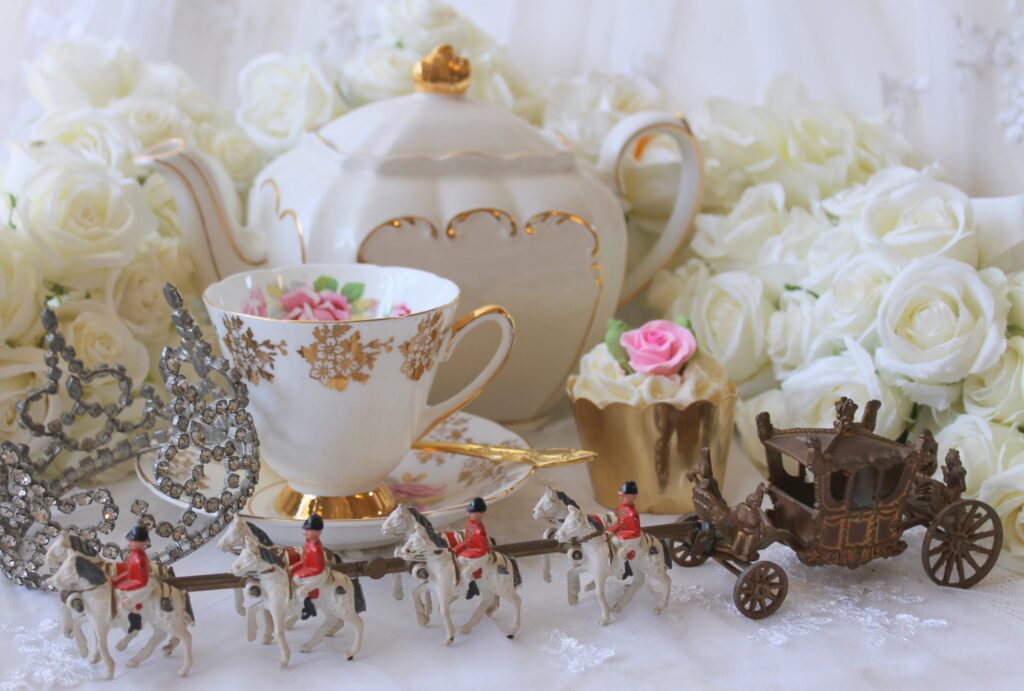
Few gatherings feel quite as charming as a tea party. A pot of freshly brewed tea, a plate of little sandwiches, warm scones, pretty cups, and something sweet can turn an ordinary afternoon into an occasion.
The beauty of a tea party is that it can be as elegant or as relaxed as you want it to be. You can arrange a traditional afternoon tea with tiered stands and fine china, host a cheerful garden party with mismatched teacups, plan a bridal or baby shower around tea, or simply invite a few friends over for cake and a favorite pot of Earl Grey.
You do not need a grand dining room, an expensive tea set, or an elaborate menu. The heart of a good tea party is hospitality: good tea, enjoyable food, and enough time to sit together and enjoy both.
This guide will help you plan your tea party from beginning to end, including the tea, menu, table setting, themes, etiquette, and little details that make the gathering memorable.
🫖 What Is Afternoon Tea?
Afternoon tea developed in Britain as a light meal served between lunch and a later evening dinner. It became particularly fashionable during the nineteenth century and evolved into the familiar combination of tea, small sandwiches, scones, cakes, and other delicate foods.
Today, afternoon tea can mean anything from a formal hotel experience to a simple pot of tea and homemade cake at the kitchen table.
A traditional-style afternoon tea commonly includes three broad components:
- Savory finger sandwiches or small bites
- Scones served with accompaniments such as jam and cream
- Cakes, pastries, biscuits, or other sweets
Tea is, of course, at the center of everything.
You can follow these traditions closely or use them simply as inspiration for a gathering that suits your own home, guests, and budget.
☕ Afternoon Tea vs. High Tea
“High tea” is often used today to describe an especially elegant afternoon tea, but historically the terms referred to different meals.
Afternoon tea was the lighter social occasion associated with tea, sandwiches, scones, cakes, and conversation.
High tea was generally a more substantial meal eaten later in the day and associated especially with working and farming households. It might include tea along with bread, meat, eggs, pies, cheese, or other hearty foods.
If you are serving cucumber sandwiches, scones, little cakes, and pots of Earl Grey at three in the afternoon, afternoon tea is the more historically accurate description.
That does not mean you need to correct your guests if they call it high tea. Modern usage has blurred the distinction considerably, and enjoying the occasion matters far more than passing an etiquette test.
🌸 How to Plan a Tea Party
Begin with the type of gathering you want.
Are you picturing an elegant afternoon tea, a spring garden party, a birthday celebration, a bridal shower, or just an informal afternoon with two or three friends?
Once you know the mood, most of the other decisions become easier.
Think about:
- Number of guests
- Indoor or outdoor setting
- Formal or casual atmosphere
- Tea selection
- Sweet and savory foods
- Tableware
- Decorations
- Dietary needs
- Whether you want activities or simply conversation
There is no need to make every element elaborate. A beautifully set table with a simple menu often feels more inviting than an ambitious gathering that leaves the host exhausted.
👥 How Many Guests Should You Invite?
Tea parties work at almost any size.
A tea for two to four people can be relaxed and intimate. One or two pots of tea, a plate of sandwiches, scones, and a small dessert may be all you need.
For six to twelve guests, you can offer several teas and a larger variety of foods while still keeping the gathering manageable at home.
Large showers and celebrations may require buffet-style service, several teapots, additional hot water, and a little more organization.
If this is your first time hosting an afternoon tea, a smaller group is often easiest. You will have more time to enjoy your guests rather than constantly replenishing plates and kettles.
💌 Tea Party Invitations
A casual tea with friends may need nothing more than a text or phone call.
For birthdays, bridal showers, baby showers, or more formal afternoon teas, a printed or digital invitation can help establish the mood before guests arrive.
Include:
- Date
- Start and end time
- Location
- Occasion
- RSVP information
- Any relevant dress suggestion
- Dietary-information request if appropriate
A tea party does not necessarily need to last all afternoon. Around two hours is often enough for guests to settle in, enjoy several courses, drink tea, and linger over conversation.
🕒 What Time Should You Hold Afternoon Tea?
Traditional afternoon tea is generally associated with the mid-to-late afternoon.
For a modern home tea party, 2:00 to 4:00 p.m. or 3:00 to 5:00 p.m. works beautifully.
This timing places the gathering comfortably between lunch and dinner, which is useful because afternoon tea food is intended to be lighter than a full meal.
If you are hosting a shower or larger celebration, you can adjust the timing to fit your guests. The menu matters more than following an exact historical hour.
🍵 Choosing Tea for an Afternoon Tea Party
You do not need a dozen different teas.
For most gatherings, offering two or three choices gives guests variety without turning tea service into a complicated operation.
A balanced selection might include:
- A classic black tea
- A lighter or floral tea
- A caffeine-free herbal option
English Breakfast, Earl Grey, Darjeeling, jasmine, green tea, chamomile, peppermint, and rooibos are all approachable choices.
You can learn more about the many possibilities in our Tea Varieties Guide.
🖤 Classic Black Teas for Afternoon Tea
Black tea is a natural choice because its fuller flavor pairs well with both sweet and savory foods.
Earl Grey adds the distinctive citrus fragrance of bergamot and works beautifully with cakes, lemon desserts, and delicate sandwiches.
Darjeeling can be lighter and more aromatic, making it a lovely choice for an elegant afternoon tea.
English Breakfast is stronger and particularly useful if guests enjoy milk with their tea.
You can also explore individual origins and blends through our Black Tea collection.
🌸 Lighter & Floral Tea Choices
Not every guest wants a strong black tea.
Jasmine tea, lighter oolong, green tea, white tea, and delicate floral blends can provide contrast to richer foods.
A floral tea can be especially lovely for spring gatherings, bridal showers, and garden parties.
Just remember that delicate teas may require cooler brewing temperatures than black tea. Our How to Brew Tea guides can help you prepare each style properly.
🌿 Caffeine-Free Options
It is thoughtful to include at least one naturally caffeine-free choice, particularly for afternoon gatherings where some guests may prefer to limit caffeine later in the day.
Chamomile, rooibos, peppermint, and many fruit or herbal blends are good possibilities.
Plain herbal tea can also be served with lemon or honey so guests can adjust the cup to their taste.
Browse our Herbal Tea collection for more inspiration.
🥪 What Food Is Served at Afternoon Tea?
A classic afternoon tea menu generally includes a combination of savory foods, scones, and sweets.
You do not need ten different items in each category. A manageable home menu might include:
Savory
- Cucumber sandwiches
- Egg salad sandwiches
- Smoked salmon sandwiches
- Chicken salad sandwiches
Scones
- Plain scones
- Fruit scones
- Jam
- Cream
Sweets
- Shortbread
- Small cakes
- Cupcakes
- Macarons
- Tea cookies
- Fruit tarts
Three or four savory items and two or three sweets are usually plenty for a home gathering.
For more ideas, explore our Food & Tea Pairings and Tea Recipes.
🥒 Tea Sandwich Ideas
Finger sandwiches are one of the most recognizable parts of afternoon tea.
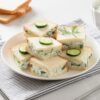
Classic cucumber sandwiches are simple and refreshing, but you can add variety with different fillings.
Ideas include:
- Cucumber and cream cheese
- Egg salad
- Smoked salmon and cream cheese
- Chicken salad
- Ham and mustard
- Herbed cream cheese
- Watercress
- Pimento cheese
- Turkey and cranberry
Soft bread works best. White, wheat, rye, and thinly sliced specialty breads can all be used.
For the traditional appearance, remove the crusts and slice sandwiches into fingers, small triangles, or squares.
Make them close enough to serving time that the bread remains fresh. If you need to prepare them early, cover them carefully so they do not dry out.
🍓 Scones, Jam & Cream
For many people, scones are the highlight of afternoon tea.
Plain scones are wonderfully versatile because they allow the toppings to provide most of the sweetness. Fruit scones with raisins, currants, berries, or citrus are another excellent choice.
Serve them with jam and cream.
Strawberry and raspberry jam are classics, but lemon curd, marmalade, blueberry preserves, or seasonal fruit spreads can also be delicious.
And as for whether cream or jam goes on the scone first? Different regional traditions have strong opinions about that question. At a home tea party, the simplest solution is to put both on the table and let everyone build the scone they prefer.
🧁 Cakes, Cookies & Tea-Time Sweets
Small desserts are ideal because guests can sample several things without committing to a large slice of cake.
Consider:
- Shortbread
- Madeleines
- Mini cupcakes
- Macarons
- Lemon bars
- Petite fours
- Tea cakes
- Fruit tarts
- Viennese biscuits
- Sugar cookies
- Mini cheesecakes
A beautiful full-sized cake can also become the centerpiece for a birthday or shower.
The goal is balance. If the sandwiches and scones are substantial, you do not need an enormous dessert selection.
Browse our Tea Recipes and Food & Tea Pairings for more ideas.
🍰 How to Use a Three-Tier Tea Stand
The tiered stand has become one of the visual symbols of afternoon tea.
A common arrangement is:
Bottom tier: savory sandwiches and bites
Middle tier: scones
Top tier: cakes and sweets
This is a useful system, but you do not have to follow it.
Platters, cake stands, boards, and individual plates can work just as well.
If you already own a tiered stand, use it. If you do not, there is no reason to buy one just to host your first tea party.
🫖 How Much Tea Should You Make?
Guests often drink more tea than you expect, especially during a leisurely gathering.
A typical teapot may provide several small teacup servings, but the exact amount depends on the pot and cups you use.
Rather than trying to brew all the tea in advance, keep additional hot water ready and make fresh pots as needed.
If you are serving several varieties, label the pots or place the tea packages nearby so guests know what is available.
Loose-leaf tea can be particularly nice for a special occasion, but good-quality tea bags or sachets are perfectly acceptable and may make serving a large group easier.
🌡️ Brew Each Tea Properly
One mistake at tea parties is pouring boiling water over every variety and allowing all of them to steep indefinitely.
Different teas respond best to different temperatures and steeping times.
Black tea generally handles hotter water. Green tea often benefits from cooler water and shorter brewing. Herbal infusions may need a longer steep.
If you are serving several teas, preparing them separately usually gives better results.
Visit our How to Brew Tea section for more brewing guidance.
🥛 Milk, Lemon, Honey & Sugar
Set out simple additions so guests can customize their tea.
You might include:
- Milk
- Sugar cubes or granulated sugar
- Honey
- Lemon slices
Not every addition belongs in every tea. Milk works particularly well with stronger black teas and chai, while lemon can be lovely with black tea, green tea, and some herbal blends.
Citrus and milk are usually best kept out of the same cup because the acidity of lemon can cause milk to curdle.
Small pitchers, bowls, and dishes make these additions feel special without requiring much extra work.
🍽️ Setting the Afternoon Tea Table
A beautiful tea table does not have to be perfectly matched.
In fact, mismatched teacups and plates can create a charming, collected-over-time look.
A useful basic table setting might include:
- Teacup and saucer
- Small plate
- Fork
- Teaspoon
- Napkin
- Water glass, if desired
Add teapots, serving platters, tiered stands, milk, sugar, and flowers to the center of the table.
Explore our Tea Accessories section for more ideas about teaware and serving pieces.
🌷 Simple Tea Party Decorations
You do not need to transform your home into a Victorian drawing room.
Fresh flowers are often enough.
Small arrangements work particularly well because they do not block conversation across the table. Roses, tulips, peonies, daisies, lavender, hydrangeas, or flowers from your own garden can all fit beautifully.
Other easy decorations include:
- Linen or floral napkins
- Vintage books
- Candles
- Lace runners
- Pretty teapots
- Cake stands
- Pastel dishes
- Small place cards
Choose one or two decorative ideas rather than filling every surface.
The food and tea will provide plenty of visual interest themselves.
🌿 Garden Tea Parties
A garden is a natural setting for afternoon tea.
Use floral tablecloths, simple bouquets, and lighter seasonal foods. Iced tea or tea punch can be served alongside traditional hot tea on warm days.
Outdoor tea parties do require a little practical planning. Think about shade, wind, insects, and how long foods containing dairy, eggs, meat, or seafood will be sitting outside.
If the weather is unpredictable, have an indoor backup plan.
A garden tea should feel relaxed rather than precariously dependent on perfect weather.
💐 Bridal Shower Tea Parties
Tea and bridal showers are a particularly natural combination.
The format encourages conversation, while the pretty tableware, flowers, and small foods make the celebration feel special without requiring a formal dinner.
For a bridal shower menu, consider two teas, several finger sandwiches, scones, and a mixture of petite desserts.
Soft florals, vintage teacups, greenery, photographs, and personalized place cards can add character.
You can also add activities such as a tea tasting, advice cards for the couple, or small packets of loose-leaf tea as favors.
For more inspiration, see our Charming Tea Party Bridal Shower.
🍼 Baby Shower Tea Parties
An afternoon tea also works beautifully for a baby shower because it can be celebratory without being overly formal.
Choose colors and decorations that fit the parents’ style rather than feeling bound to traditional pink or blue.
Flowers, soft greens, botanical themes, storybooks, bees, woodland animals, or vintage nursery themes can all pair naturally with a tea-party setting.
Be sure to offer caffeine-free beverages and clearly identify foods when ingredients may be relevant to pregnancy or dietary restrictions.
🎂 Birthday Tea Parties
A birthday tea can work for almost any age.
For adults, choose favorite teas, beautiful desserts, and perhaps a special birthday cake.
For children, simplify the menu with familiar sandwiches, fruit, cupcakes, and caffeine-free fruit or herbal infusions served at a safe temperature.
Older children and teenagers may enjoy decorating cookies, making tea blends, dressing up, or having a whimsical themed tea.
The event does not need to imitate a traditional British afternoon tea perfectly. A birthday should reflect the person being celebrated.
🎄 Holiday Tea Parties
Tea parties can be adapted beautifully to the seasons.
A Christmas tea might feature spiced black tea, chai, gingerbread, shortbread, cranberry sandwiches, evergreen decorations, and holiday china.
An autumn tea could include apple, pumpkin, maple, cinnamon, or warm spice flavors.
Spring works well with florals, lemon, berries, cucumber sandwiches, and lighter teas.
Summer tea parties can feature fresh fruit, mint, iced tea, and garden-inspired menus.
Using seasonal ingredients is one of the easiest ways to make each gathering feel different.
🫖 Tea Party Themes
If you enjoy themed gatherings, tea provides plenty of possibilities.
Ideas include:
- English garden tea
- Vintage tea party
- Alice in Wonderland tea
- Cottage garden tea
- Jane Austen-inspired tea
- Christmas afternoon tea
- Spring flower tea
- Mother’s Day tea
- Valentine’s tea
- Bridal tea
- Book club tea
- Autumn harvest tea
- Children’s teddy bear tea
A theme should make planning easier rather than adding pressure.
Choose a few colors, foods, and decorations that suggest the theme and stop there. Guests do not need to feel as though they have stepped onto a movie set.
📚 Book Club Afternoon Tea
Tea and books are excellent companions.
For a book club gathering, let the book inspire the menu or simply provide tea and easy-to-eat snacks while everyone talks.
You might choose a tea connected with the book’s setting, create place cards featuring favorite quotations, or serve a dessert mentioned in the story.
This is also one occasion where an elaborate table setting may be unnecessary. Comfortable seating and easy conversation matter more.
🫖 Tea for Two
Some of the nicest tea parties are the smallest.
Tea for two requires very little preparation. Make one pot of tea and serve a few sandwiches, scones, cookies, or slices of cake.
Use the pretty cups you normally save for special occasions.
Add a small vase of flowers.
That is enough.
Afternoon tea does not need an audience or an event attached to it. It can simply be a pleasant way to spend an hour with someone you enjoy.
💵 Hosting a Tea Party on a Budget
Tea parties can look luxurious without costing very much.
Use dishes you already own. Borrow teapots or stands from family members. Mix rather than match china. Shop thrift stores for individual teacups instead of purchasing an entire new set.
Make most of the food yourself and choose inexpensive fillings such as cucumber, egg salad, or cream cheese and herbs.
Scones, cookies, and loaf cakes are also relatively economical to make at home.
Flowers can come from the garden, grocery store, or even a few simple stems divided among small jars.
A limited menu served beautifully often feels more elegant than an expensive table overloaded with food.
🌱 Vegetarian, Vegan & Gluten-Free Tea Parties
It is increasingly useful to ask about dietary needs when inviting guests.
Vegetarian tea sandwiches are easy to create using cucumber, egg, cheese, roasted vegetables, hummus, or herbed spreads.
Vegan menus can incorporate plant-based spreads, vegetable fillings, fruit, vegan baked goods, and dairy-free milk for tea.
Gluten-free bread and baking alternatives make it possible to adapt many familiar tea-party foods, although hosts should be especially careful about cross-contact when serving guests with celiac disease or serious allergies.
Labeling dishes discreetly can help everyone choose confidently without making dietary needs the center of attention.
🎀 Afternoon Tea Etiquette Without the Fuss
Formal etiquette can be fun if you enjoy tradition, but nobody should feel nervous about attending a tea party.
A few practical habits are enough.
Stir tea gently rather than clattering the spoon around the cup. Place the spoon on the saucer after stirring. Take small portions so everyone has a chance to try the food. Hold conversation across the table rather than reaching across other guests.
Beyond that, relax.
There is no requirement to extend a pinky finger while drinking tea, and your gathering will not be ruined because someone puts jam on a scone in the “wrong” order.
Courtesy matters more than performance.
🗓️ A Simple Tea Party Preparation Timeline
Good planning lets you enjoy the gathering instead of spending the entire afternoon in the kitchen.
Several days before: Finalize the guest count, tea selection, menu, tableware, and shopping list.
One or two days before: Bake items that keep well, prepare decorations, arrange serving dishes, and set aside the teaware you plan to use.
The morning of the party: Prepare fillings, desserts, garnishes, and table decorations.
A few hours before: Set the table and organize serving trays.
Shortly before guests arrive: Assemble sandwiches, warm or prepare scones as appropriate, boil fresh water, and arrange chilled foods.
Do not brew several pots of tea an hour before everyone arrives. Tea is at its best when made fresh.
🍰 A Simple Afternoon Tea Menu for Beginners
If this is your first tea party, keep the menu manageable.
Try:
Tea
- Earl Grey
- Chamomile or rooibos
Savory
- Cucumber and cream cheese sandwiches
- Egg salad sandwiches
Scones
- Plain scones
- Strawberry jam
- Cream
Sweet
- Shortbread
- Lemon cake or cupcakes
That is already a complete afternoon tea.
If you have extra time and enjoy cooking, add more. If not, there is no reason to.
🌸 Make the Gathering Your Own
Afternoon tea comes with wonderful traditions, but those traditions should provide inspiration rather than restrictions.
Use your grandmother’s china or inexpensive white mugs. Serve traditional scones or your favorite cookies. Arrange roses on the table or pick wildflowers from the yard. Pour Darjeeling into porcelain cups or make a big pitcher of iced peach tea.
What makes a tea party memorable is rarely whether every fork was in the historically correct position.
It is the feeling of being welcomed.
Tea gives people a reason to sit down, linger over something delicious, and talk without rushing. That is a tradition worth preserving in any form that works for you.
🔗 Explore More of SereniTea Room
- Tea Varieties
- Tea Recipes
- Brewing Techniques
- Tea Party Ideas
- Food & Tea Pairings
- Tea Accessories
- A Charming Tea Party Bridal Shower