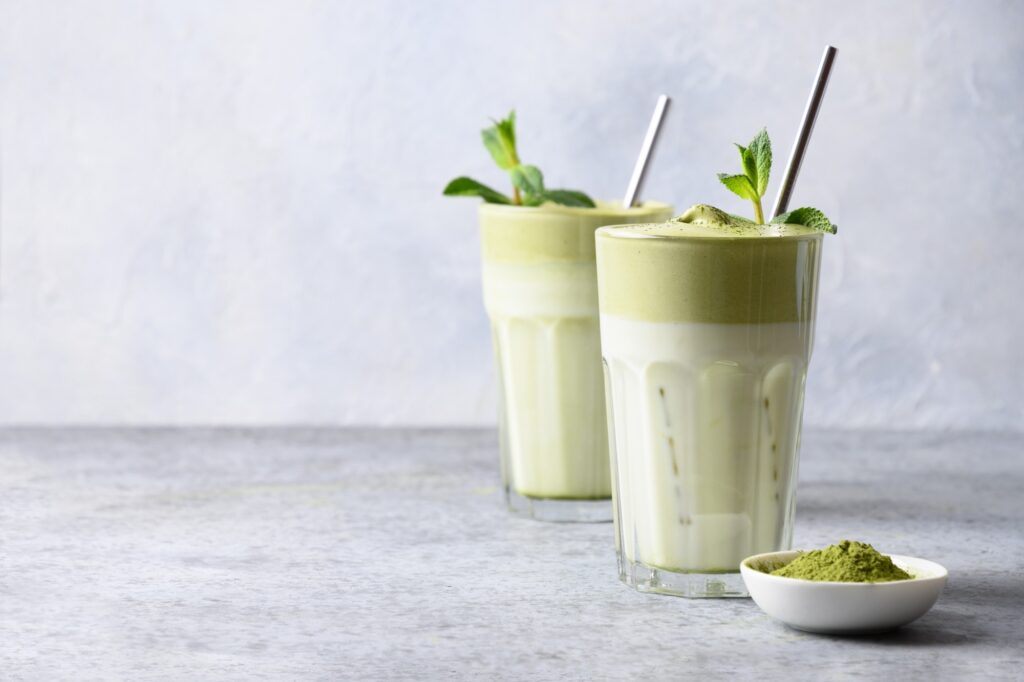
Tea can be as simple as leaves and hot water, but it can also become the starting point for an incredible range of drinks, desserts, punches, lattes, and treats.
A familiar black tea can turn into a creamy London Fog. Matcha can become an iced latte, smoothie, or batch of cupcakes. Fresh herbs can be combined into cooling summer infusions, while chai spices can transform an ordinary cup of tea into something warm, fragrant, and comforting.
Whether you are looking for a quiet cup for one, a refreshing drink on a hot afternoon, or something special to serve at a tea party, our Tea Recipes collection is designed to give you plenty of ideas to try.
☕ Hot Tea Recipes
There is something timeless about a warm cup of tea. Hot tea recipes can range from simple herbal infusions to spiced chai, tea lattes, floral blends, and richly flavored winter drinks.
The best hot tea recipes usually begin with a good base tea and build around it rather than burying it under too many ingredients. Black tea works beautifully with milk and warming spices, while green tea pairs well with citrus, mint, ginger, and lighter flavors. Herbal teas offer even more possibilities because flowers, roots, spices, and herbs can be mixed in countless combinations.
When preparing a flavored tea, pay attention to the brewing temperature of the base tea. Black tea generally tolerates hotter water, while green tea can become bitter when steeped too aggressively.
For more ideas, browse our full Tea Recipes collection.
🧊 Iced Tea Recipes
Iced tea is one of the easiest ways to turn tea into a refreshing warm-weather drink.
Classic black iced tea is always a favorite, but almost any tea can be served cold. Green tea, hibiscus, mint, peach tea, jasmine, rooibos, and fruit-forward herbal infusions can all make excellent iced drinks.
You can keep things simple with brewed tea poured over ice or add fruit, herbs, sparkling water, citrus, or a touch of sweetness. Drinks such as Peach Fizz Iced Tea with Mint show how easily an ordinary iced tea can become something more festive.
For the clearest flavor, brew the tea slightly stronger than you would for a hot cup because melting ice will dilute it. Another option is to chill brewed tea completely before serving it over ice.
🍑 Fruity Tea Drinks
Fruit and tea are natural partners.
Peaches, berries, citrus, apples, mangoes, and tropical fruits can add sweetness, acidity, color, and aroma without completely overwhelming the tea itself. Black tea pairs especially well with peaches and citrus, while green tea often works beautifully with berries, lemon, mint, or melon.
Hibiscus is another excellent base for fruit-forward drinks because its naturally tart flavor pairs well with berries, orange, pineapple, pomegranate, and other fruits.
You can also experiment with sparkling water to create tea spritzers or fizzy iced teas that feel a little more celebratory.
🌿 Herbal Tea Recipes
Herbal tea recipes offer almost endless room for experimentation because they can be made from flowers, herbs, spices, roots, and fruit.
Popular ingredients include chamomile, peppermint, spearmint, lemon balm, lavender, hibiscus, ginger, rosehip, thyme, and rooibos.
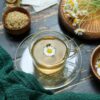
A simple herbal infusion may use only one ingredient, but blends can create more complex flavors. Mint and lemon balm produce a fresh, bright cup, while chamomile and lavender create a softer floral combination. Ginger can add warmth and spice, and hibiscus brings tartness and vivid color.
Explore our Herbal Tea collection for more inspiration.
When experimenting with herbs, remember that culinary enjoyment and medical use are not the same thing. Herbal teas can be delicious parts of an everyday routine without needing to be marketed as treatments or cures.
🍵 Matcha Recipes
Matcha is one of the most versatile ingredients in the tea cupboard.
Because matcha is finely powdered tea rather than an infusion that is strained before drinking, it can be whisked directly into beverages and incorporated into recipes. Its bold green color and distinctive vegetal flavor make it particularly useful in lattes, smoothies, baked goods, and desserts.
A simple Iced Matcha Latte is an excellent place to start. Matcha can be whisked with a small amount of water and combined with milk and ice for a refreshing drink that is easy to customize.
You can also experiment with whipped matcha drinks, honey-sweetened iced matcha, coconut milk, vanilla, or fruit.
Matcha is not limited to beverages, either. Recipes such as matcha cupcakes bring tea directly into baking, creating desserts with both color and a distinctive tea flavor.
Browse our Matcha Recipes and Guides for more ideas.
🫖 Chai Recipes
Few tea drinks are as aromatic as masala chai.
Traditional masala chai combines tea with spices and commonly includes milk and sweetener. Cardamom, ginger, cinnamon, cloves, pepper, and other spices can all appear in different versions.
There is no single universal chai recipe, which means you can adjust the balance until it suits your taste. Some people prefer plenty of ginger and pepper for a stronger kick, while others favor cardamom, cinnamon, or a creamier milk-forward cup.
Start with our Masala Chai Recipe or explore more in our Chai collection.
Chai also works beautifully cold. An iced chai latte retains those familiar warming spices while turning them into a drink suited to warmer weather.
🥛 Tea Latte Recipes
Tea lattes are a great bridge between traditional tea and café-style drinks.
Instead of allowing milk to completely overpower the tea, a good tea latte uses a concentrated brew so that both flavors remain noticeable.
Popular options include matcha lattes, chai lattes, London Fogs made with Earl Grey, and herbal lattes made with ingredients such as chamomile or rooibos.
For a basic tea latte, brew the tea stronger than usual, warm or froth your preferred milk, and combine the two. Sweetener, vanilla, spices, or other flavorings can then be added to taste.
Plant-based milks can also work well, although each contributes its own flavor and texture. Oat milk often produces a creamy cup, while coconut milk can add a pronounced tropical character.
🌸 Floral Tea Recipes
Flowers can give tea both fragrance and visual appeal.
Jasmine, rose, lavender, chamomile, hibiscus, and rosehips are all used in tea and herbal infusions, although their flavors vary enormously.
Lavender is intensely aromatic and generally works best in small amounts. Rose brings a fragrant sweetness, while hibiscus is much sharper and fruitier. Chamomile tends to be mellow and apple-like, and jasmine tea combines fragrant blossoms with a traditional tea base.
Floral ingredients can be blended with herbs, citrus, fruit, or traditional tea leaves to create beautiful hot and iced drinks.
Explore our Tea Varieties Guide to learn more about the different flowers and teas you can use.
🍋 Tea With Lemon, Honey & Fresh Herbs
You do not need an elaborate ingredient list to make a memorable cup of tea.
Lemon adds brightness to black, green, ginger, and herbal teas. Honey can soften bitterness and add gentle sweetness, while fresh herbs such as mint, basil, rosemary, or thyme can introduce entirely new aromas.
Fresh mint is particularly versatile. Add it to green tea for a bright, refreshing drink or combine it with fruit in iced tea.
When using fresh herbs, begin with a small amount. It is much easier to add more flavor than to rescue a drink that has become overwhelmingly herbal.
🫧 Sparkling Tea & Tea Punch
Tea also works surprisingly well as the base for party drinks.
Sparkling water can transform cold tea into a light tea spritzer, while pitchers of brewed tea can be combined with fruit, herbs, citrus, and ice for an easy party punch.
Our Summer Garden Tea Punch combines tea with fresh herbal flavors and shows how flexible this style of drink can be.
For tea parties, showers, brunches, or warm-weather gatherings, consider offering one classic tea alongside one chilled tea punch or sparkling tea. Guests can choose between something traditional and something more playful.
🍪 Tea-Time Baking
Tea does not always have to stay in the teacup.
Matcha, Earl Grey, chai spices, and other tea flavors can be incorporated into cakes, cupcakes, cookies, frostings, glazes, and other desserts.
Matcha is particularly easy to use because it is already finely powdered. Our matcha recipes include Classic Matcha Cupcakes with Matcha Frosting, which combine the earthy flavor of matcha with a sweet baked treat.
Black tea and Earl Grey can also be infused into milk or cream for baking, allowing the flavor of the tea to carry into cakes, custards, and frostings.
When baking with tea, remember that delicate flavors can disappear when combined with large quantities of sugar, butter, or chocolate. A slightly stronger tea infusion may be necessary than you would use for drinking.
🍰 Treats to Serve With Tea
A good tea recipe becomes even better when paired with the right snack.
Tea-time classics include cookies, biscuits, scones, cakes, finger sandwiches, and small pastries. The key is choosing foods that complement the tea rather than competing with it.
Light green and floral teas pair nicely with delicate cookies and fruit-based treats. Strong black teas can stand up to richer cakes, buttery biscuits, chocolate, and creamy desserts.
SereniTea Room also has tea-time recipes such as Heart-Shaped Sugar Cookies and Viennese Biscuits, making it easy to plan both the tea and the food that goes alongside it.
Browse our Food & Tea Pairings for more inspiration.
🎀 Tea Party Recipes
Hosting a tea party is one of the best excuses to try several recipes at once.
You might serve a pot of black tea, a lighter green or floral tea, an iced tea or punch, and a selection of small sweet and savory foods.
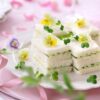
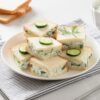
Instead of preparing too many complicated recipes, choose a few that balance one another. A simple menu might include finger sandwiches, scones, cookies, one small cake, and two tea options.
You can find more planning ideas in our Tea Party Ideas collection.
🌞 Summer Tea Recipes
Warm weather is the perfect time to experiment with cold-brewed tea, iced matcha, fruit teas, and sparkling tea drinks.
Peach, berries, lemon, mint, hibiscus, green tea, and jasmine all lend themselves beautifully to summer recipes.
Try freezing fruit or edible herbs into ice cubes, adding fresh citrus slices to a pitcher, or topping chilled tea with sparkling water just before serving.
Summer tea does not have to be heavily sweetened to feel refreshing. Fresh fruit and aromatic herbs can provide plenty of flavor on their own.
❄️ Cozy Fall & Winter Tea Recipes
As temperatures drop, tea naturally shifts toward warming flavors.
Chai spices, cinnamon, ginger, vanilla, chocolate, maple, apple, and orange can all work beautifully with black tea, rooibos, and herbal blends.
A creamy chai latte can feel especially comforting during autumn, while spiced black tea or rooibos works well throughout the winter holidays.
This is also a wonderful time to experiment with tea and baked goods together. Warm cookies, scones, spice cakes, and pastries can turn an ordinary cup into an entire afternoon ritual.
🌱 How to Create Your Own Tea Recipe
You do not always need a formal recipe.
Start with one main tea, then choose one or two complementary flavors.
For example:
- Green tea + mint + lemon
- Black tea + peach
- Rooibos + vanilla + cinnamon
- Hibiscus + berries + orange
- Chamomile + lavender
- Matcha + vanilla + milk
- Chai + honey + milk
- Peppermint + lemon balm
Once you have chosen your combination, brew a small batch and taste it before adding too many extras.
If the drink tastes flat, you might need more tea or a little acidity from lemon. If it tastes harsh, try lowering the brewing temperature or shortening the steep. If it is overly floral or spicy, dilute it with more base tea.
Keep notes when you find combinations you enjoy. Some of the best tea recipes begin as simple experiments.
🌡️ Brewing Matters
Even the best recipe can disappoint if the underlying tea is poorly brewed.
Different teas respond differently to water temperature and steeping time. Green tea may become unpleasantly bitter when brewed too hot, while many black teas and herbal infusions tolerate hotter water well.
Matcha requires whisking rather than ordinary steeping, while chai is often simmered with spices and milk.
Before experimenting with elaborate ingredients, make sure the base tea tastes good by itself.
Visit our Brewing Techniques section for help with water temperature, steeping time, teaware, and preparation.
🫖 Explore the World of Tea Recipes
One of the pleasures of tea is that the possibilities never really run out.
The same tea can taste entirely different when served hot, chilled over ice, whisked with milk, infused with fruit, blended with spices, or used in a dessert.
Begin with recipes that sound familiar, then gradually branch out. Try an iced version of a tea you normally drink hot. Add fresh herbs to a summer pitcher. Experiment with matcha in baking. Make a proper pot of masala chai instead of reaching for a premixed concentrate.
Tea rewards curiosity, and even a small change in ingredients or preparation can lead to a completely new favorite.