Tea can be wonderfully simple—a favorite bag, a mug, and a few quiet minutes—but the world behind that cup is remarkably diverse. From brisk black teas and grassy green teas to floral jasmine, earthy pu-erh, soothing chamomile, and naturally sweet rooibos, there is an enormous range of flavors to explore.
Some of the drinks we casually call “tea” come from the same plant, while others are made from flowers, herbs, roots, fruits, grains, or entirely different plants. Understanding those differences makes it easier to choose a tea you will enjoy, brew it properly, and explore new varieties without feeling overwhelmed.
Whether you are just beginning your tea journey or already have a cupboard filled with loose-leaf favorites, this guide will help you navigate the major types of tea and discover where to explore next.
🍃 What Is “True” Tea?
Black tea, green tea, white tea, oolong tea, and dark teas such as pu-erh all begin with the leaves of the Camellia sinensis plant. What makes them look and taste so different is largely what happens to the leaves after they are harvested.
Processing steps such as withering, rolling, heating, oxidation, drying, and—in some teas—microbial fermentation can dramatically change the finished cup. One plant can therefore produce teas ranging from pale, delicate, and vegetal to dark, malty, smoky, floral, fruity, or earthy.
Herbal teas are different. Chamomile, peppermint, hibiscus, rooibos, and many other popular drinks do not come from Camellia sinensis at all. They are more precisely called herbal infusions or tisanes, although “herbal tea” remains the familiar everyday term.
That distinction matters especially when considering caffeine. Traditional teas made from Camellia sinensis naturally contain caffeine, although the amount in a brewed cup varies. Many herbal infusions are naturally caffeine-free, but there are important exceptions—most notably yerba mate.
🖤 Black Tea
Black tea is one of the boldest and most familiar styles of tea. During processing, the leaves are allowed to oxidize extensively, creating the darker color and deeper flavors associated with the finished tea.
Depending on where it is grown and how it is processed, black tea may taste malty, brisk, fruity, floral, woody, honey-like, smoky, or even lightly chocolatey. Its stronger character also makes it particularly well suited to milk, sugar, lemon, spices, and breakfast-style tea blends.
The world of black tea includes famous regional styles such as Assam, Ceylon, Keemun, and Darjeeling. If you enjoy a substantial cup that stands up well to breakfast or afternoon treats, black tea is an excellent place to begin.
Explore our Black Tea guides to discover different origins, flavor profiles, brewing methods, and styles.
💚 Green Tea
Green tea is processed in a way that limits oxidation soon after harvesting, preserving much of the leaf’s green character. The result can range from sweet and grassy to nutty, vegetal, marine, buttery, floral, or lightly roasted.
Chinese and Japanese green teas can taste surprisingly different from one another because growing regions, cultivars, steaming or pan-firing techniques, and other processing choices all shape the final cup.
Some green teas are wonderfully delicate, while others deliver considerable depth and umami. Water that is too hot or steeping that goes on too long can bring out excessive bitterness, so green tea is also a good example of how brewing technique can transform a cup.
Visit our Green Tea collection to learn more about individual teas, preparation methods, and ways to enjoy them.
🍵 Matcha
Matcha belongs to the green tea family, but it deserves special attention because it is prepared very differently from ordinary steeped tea.
Instead of infusing leaves in hot water and removing them, matcha is finely powdered tea that is whisked directly into water. You therefore consume the suspended tea powder as part of the drink.
Traditional matcha can have vegetal, creamy, bittersweet, and savory notes, while its vivid color and distinctive flavor have also made it popular in lattes, smoothies, desserts, and other recipes.
Explore our Matcha guides and recipes if you would like to learn more about preparing and enjoying this unique style of green tea.
🤍 White Tea
White tea is among the least heavily processed styles of traditional tea. Young leaves and buds are generally allowed to wither and dry with relatively little manipulation, creating a tea often prized for its subtle character.
Depending on the tea, you may notice flavors reminiscent of hay, honey, melon, flowers, stone fruit, cucumber, or fresh spring vegetation. White tea is often described as delicate, but good white teas can develop surprising body and complexity.
Popular styles include Silver Needle and White Peony, although white teas are produced in a growing number of regions around the world.
If you usually drink stronger teas, white tea can take a little time to appreciate. Rather than looking for boldness, pay attention to its aroma, texture, gentle sweetness, and the way its flavors develop across multiple infusions.
🌿 Oolong Tea
Oolong tea occupies an extraordinarily diverse space between minimally oxidized green teas and more extensively oxidized black teas.
Some oolongs are light, green, creamy, and intensely floral. Others are roasted, fruity, honeyed, woody, mineral, or rich enough to resemble black tea. Leaf shape, oxidation, roasting, cultivar, growing region, and production techniques all influence the result.
That diversity makes oolong particularly enjoyable for tea drinkers who like exploring. Two teas labeled “oolong” may have dramatically different personalities.
Explore our Oolong Tea guides to discover the many sides of this fascinating tea family.
🫖 Pu-erh and Dark Tea
Pu-erh tea is closely associated with Yunnan, China, and belongs to the broader world of post-fermented or dark teas. Unlike ordinary black or green tea, some pu-erh continues changing through microbial activity and aging after its initial processing.
Pu-erh is commonly encountered in two broad styles: sheng, often called raw pu-erh, and shou, commonly called ripe or cooked pu-erh. Their flavors and aging processes are quite different.
Depending on the tea and its age, pu-erh may be earthy, woody, fruity, herbal, mineral, sweet, leathery, mushroom-like, or surprisingly fresh and lively. Some versions are compressed into cakes, bricks, nests, or other shapes rather than sold only as loose leaves.
Our Pu-erh Tea collection also explores the intriguing tradition of combining pu-erh with dried citrus.
🍊 Tea Oranges and Citrus Pu-erh
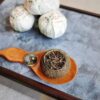
Tea oranges introduce another fascinating side of Chinese tea culture. These preparations commonly pair pu-erh or another dark tea with dried citrus peel, allowing the earthy depth of the tea to mingle with fragrant citrus notes.
Some are made by placing tea inside a hollowed dried mandarin peel, while others combine citrus peel and tea in different ways.
If you enjoy teas that combine earthy, aged, and citrusy flavors, explore our Tea Oranges collection.
🌸 Jasmine Tea
Jasmine tea is not a separate botanical type of tea. Instead, it is generally tea scented with jasmine blossoms.
Green tea is a common base, although other tea styles can also be scented with jasmine. The goal is to marry the character of the tea leaf with the unmistakable perfume of the flowers without allowing either to completely overpower the other.
The result can be fresh, fragrant, floral, sweet, and remarkably aromatic. Jasmine tea is an approachable choice for someone who enjoys floral flavors but still wants the structure of traditional tea beneath them.
Explore our Jasmine Tea guides for more.
🏔️ Darjeeling Tea
Darjeeling tea comes from the Darjeeling region of India and is especially associated with distinctive seasonal harvests known as flushes.
Although much Darjeeling is classified as black tea, its character can be lighter and more aromatic than many familiar black teas. Depending on the harvest and production style, a cup may offer floral, fruity, muscatel, fresh, or gently astringent qualities.
Tea lovers who want to explore how season, elevation, terroir, and processing influence flavor will find plenty to discover in our Darjeeling Tea collection.
🍊 Earl Grey Tea
Earl Grey is a flavored tea traditionally characterized by the distinctive citrus aroma of bergamot.
Black tea is the classic base, although green, white, oolong, and decaffeinated Earl Grey-style blends are also available. The combination of brisk tea and fragrant bergamot has made Earl Grey one of the world’s most recognizable flavored teas.
It can be enjoyed plain, with milk where appropriate, or incorporated into drinks such as the London Fog.
Browse our Earl Grey Tea guides for ideas and inspiration.
🫚 Chai
The word chai simply means tea in several languages, but in much of the English-speaking world, “chai” commonly refers to spiced tea inspired by Indian masala chai.
A typical preparation combines strong tea with warming spices that might include cardamom, cinnamon, ginger, cloves, black pepper, or other aromatics. Milk and sweetener are also commonly used.
There is no single universal spice formula, which is part of the fun. Chai can be peppery and assertive, soft and creamy, ginger-forward, heavily spiced, or gently aromatic.
Explore our Chai collection for recipes, variations, and more.
🌼 Herbal Tea
Herbal tea opens an enormous world beyond Camellia sinensis. Herbal infusions may be made from flowers, leaves, roots, bark, seeds, spices, fruit, or combinations of several ingredients.
Their flavors can range from bright and tart to minty, floral, earthy, spicy, sweet, or deeply roasted. Many herbal teas are naturally free of caffeine, although you should always check the actual ingredients rather than assuming every nontraditional tea is caffeine-free.
Herbal tea is also an area where health claims deserve particular care. A plant may have a long history of traditional use without having strong clinical evidence for treating a medical condition. Enjoy herbal infusions for their flavors and traditions, and seek appropriate medical guidance when health concerns are involved.
Explore our broader Herbal Tea collection, or discover some of the individual herbs below.
🌼 Chamomile Tea
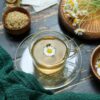
Chamomile tea is an herbal infusion made from chamomile flowers. Its gentle floral fragrance and mellow, slightly sweet flavor have made it a familiar evening beverage.
Because chamomile contains no Camellia sinensis, plain chamomile tea is naturally caffeine-free. It is often enjoyed on its own, although it also blends nicely with ingredients such as lavender, lemon balm, mint, and honey.
Explore our Chamomile Tea guides to learn more.
🌺 Hibiscus Tea
Hibiscus tea stands apart immediately because of its striking red color and bold tartness.
Made from Hibiscus sabdariffa, it can have a cranberry-like acidity that works beautifully hot or iced. It is often paired with fruit, warming spices, or sweeteners to balance its naturally sharp flavor.
For a refreshing tea that feels completely different from traditional leaf tea, explore our Hibiscus Tea collection.
🌿 Peppermint and Spearmint Tea
Mint teas are some of the simplest and most refreshing herbal infusions. Peppermint tea is cooling and assertive, while spearmint tea tends to taste softer and naturally sweeter.
Both can be enjoyed hot or chilled and combine easily with other herbs, citrus, green tea, or black tea.
Explore our Peppermint Tea guides and Spearmint Tea guides to compare the two.
🌹 Rose and Rosehip Tea
Although their names sound similar, rose and rosehip teas use different parts of the plant and have very different flavor profiles.
Rose tea is typically floral, fragrant, and perfumed. Rosehip tea is made from the fruit-like structures that form after roses flower and tends to be fruitier and tangier.
They can be enjoyed separately or incorporated into herbal blends where they add color, aroma, and complexity.
🌱 Rooibos
Rooibos comes from Aspalathus linearis, a plant native to South Africa rather than the traditional tea plant.
Its naturally mellow character can include woody, honeyed, vanilla-like, nutty, or earthy notes. Plain rooibos is naturally caffeine-free, making it popular with people who enjoy a full-flavored cup later in the day.
It is also versatile. Rooibos can be drunk plain, served with milk, iced, flavored with fruit or spices, or used as the base for caffeine-free alternatives to familiar tea blends.
Explore our Rooibos Tea collection for more.
🌿 Yerba Mate
Yerba mate demonstrates why “herbal” does not automatically mean caffeine-free.
Made from the leaves of Ilex paraguariensis, yerba mate has a long tradition of consumption in South America and naturally contains caffeine. Its taste can be vegetal, earthy, grassy, smoky, or bitter depending on the product and preparation.
Mate is traditionally consumed in a hollow vessel with a filtered straw called a bombilla, although it can also be brewed in ways more familiar to conventional tea drinkers.
Explore our Yerba Mate guides to discover more about the drink and its traditions.
🫚 Ginger Tea
Ginger tea delivers the warm, spicy character of ginger in an easy-to-prepare infusion.
Fresh ginger root can be simmered in water, while dried ginger is often included in herbal blends and spiced teas. Lemon, honey, turmeric, mint, and cinnamon are among the ingredients commonly paired with it.
Browse our Ginger Tea collection for more ways to enjoy it.
💜 Lavender Tea
Lavender brings an unmistakably floral aroma to tea. Because its flavor can be quite powerful, a small amount often goes a long way.
Lavender may be steeped alone or blended with ingredients such as chamomile, lemon, mint, or traditional tea leaves. The best preparations allow its floral character to enhance the drink without making it taste overly perfumed.
Explore our Lavender Tea collection for blends and ideas.
🍋 Lemon Balm Tea
Lemon balm is a member of the mint family with a soft lemony aroma. Unlike lemon juice, it does not deliver a strongly acidic citrus flavor. Instead, its character is generally lighter, greener, and gently herbal.
It can be enjoyed by itself or paired with mint, chamomile, lavender, or other herbs.
Explore our Lemon Balm Tea guides for more.
🌼 Dandelion Tea
Dandelion tea can refer to infusions made from different parts of the dandelion plant, including its roots and leaves.
Roasted dandelion root in particular produces a darker drink with an earthy, roasted character, which explains why it sometimes appears in caffeine-free blends designed to provide some of the depth associated with coffee.
Explore our Dandelion Tea collection while keeping in mind that traditional herbal use and proven medical effects are not the same thing.
🌾 Barley Tea
Barley tea is a roasted grain infusion enjoyed in several East Asian cultures. Known as mugicha in Japan and boricha in Korea, it has a toasty, nutty flavor and can be served either hot or cold.
Because plain barley tea is made from barley rather than Camellia sinensis, it does not naturally contain caffeine. However, barley contains gluten, so it is not appropriate for everyone who requires a gluten-free diet.
Explore our Barley Tea guides for more about this distinctive roasted drink.
🌿 Other Herbal Infusions to Explore
The world of herbal tea extends far beyond a few familiar flowers and mint leaves. SereniTea Room also explores:
Essiac deserves particular caution. It is an herbal mixture that has sometimes been promoted for serious illnesses, but it should not be considered a proven cancer treatment or substitute for medical care. Claims surrounding medicinal herbal products should always be evaluated separately from the simple enjoyment of an herbal beverage.
🧋 Boba and Bubble Tea
Boba tea, commonly called bubble tea, is better thought of as a style of prepared tea drink than as a botanical tea variety.
Originating in Taiwan, bubble tea can combine brewed tea with milk, fruit flavors, sweeteners, tapioca pearls, jellies, puddings, or other toppings. Black tea, green tea, oolong, and other teas can all serve as the base.
That enormous flexibility has helped turn boba into a category of its own, with flavors ranging from traditional milk tea to fruit-forward iced drinks.
Explore our Boba Tea collection for recipes and inspiration.
🫧 Kombucha
Kombucha is another tea-related beverage rather than a distinct variety of tea leaf.
It is created by fermenting sweetened tea with a culture of microorganisms. The resulting beverage is typically tart, lightly effervescent, and can be flavored with fruit, herbs, spices, or other ingredients.
Because fermentation introduces additional food-safety considerations, reliable preparation methods and careful sanitation are particularly important when making kombucha at home.
Explore our Kombucha guides for more.
☕ How to Choose the Right Tea for You
With so many varieties available, choosing a tea does not have to involve memorizing terminology. Start with the flavors you already enjoy.
If you prefer bold, rich drinks, begin with black tea, chai, darker oolong, or ripe pu-erh. If you like fresh and vegetal flavors, explore green tea or matcha. For floral teas, try jasmine, chamomile, rose, lavender, or a fragrant oolong.
Tea drinkers who enjoy tart and fruity flavors may appreciate hibiscus or rosehip, while those looking for cooling herbal flavors can begin with peppermint or spearmint. Rooibos and barley tea are excellent choices when you want something rich or roasted without the caffeine naturally present in conventional tea leaves.
And if one tea does not appeal to you, try another. “Tea” encompasses such a wide range of flavors that disliking one style says very little about whether you will enjoy the others.
🌡️ Brewing Different Types of Tea
Brewing can have almost as much impact on your cup as the tea you choose. Leaf quantity, water quality, temperature, steeping time, teaware, and personal preference all affect the result.
Green and white teas are often brewed with cooler water than black tea, while many black teas and herbal infusions tolerate hotter water well. Oolongs and pu-erhs are frequently enjoyable across multiple short infusions, allowing you to notice how the flavor changes from one steep to the next.
There is no need to treat a brewing recommendation as an unbreakable rule. Use it as a starting point. If a tea tastes too bitter or astringent, try cooler water, less tea, or a shorter infusion. If it seems thin or flavorless, increase the leaf, temperature, or steeping time.
For more help, explore our Brewing Techniques guides.
☕ Tea Is a World Worth Exploring
Part of tea’s appeal is that there is always another flavor, region, tradition, or preparation method to discover. A smoky black tea from China can seem worlds apart from Japanese matcha, a floral Taiwanese oolong, tart hibiscus, creamy rooibos, or cooling peppermint—yet all have found a place around the tea table.
You do not need to become an expert before you begin exploring. Pick a style that sounds appealing, brew a cup, notice what you like and dislike, and follow your curiosity from there.
At SereniTea Room, our goal is to help make that exploration easier. Browse our guides to traditional teas, herbal infusions, regional specialties, recipes, and brewing techniques, and you may discover that your favorite cup is one you have not tried yet.