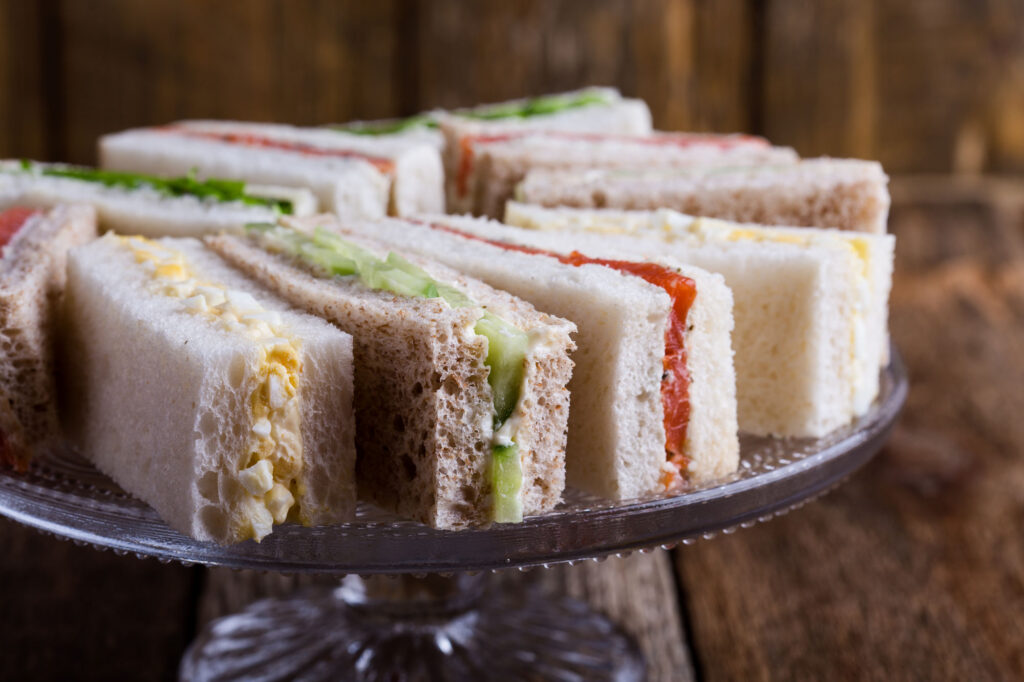
A beautiful tray of tea sandwiches is one of the most inviting parts of an afternoon tea party. Delicate cucumber sandwiches, creamy egg salad fingers, smoked salmon on dark rye, and little triangles filled with herbed cream cheese all look wonderfully elegant when arranged on a serving platter. Although the fillings often receive the most attention, the bread is just as important to creating delicious, attractive tea sandwiches.
Unlike ordinary lunch sandwiches, tea sandwiches are designed to be small, delicate, and easy to eat in just a few bites. The bread needs to be soft enough to complement the filling, sturdy enough to hold together when cut, and mild enough that it does not overwhelm the other ingredients. Choosing the right bread can make the difference between a beautifully presented finger sandwich and one that crumbles, becomes soggy, or falls apart when picked up.
The best bread for traditional tea sandwiches is soft, thinly sliced white sandwich bread with a fine, even texture. Pullman bread, also known as pain de mie, is an especially good choice because its close-grained interior and uniform slices make it easy to prepare neat, delicate sandwiches. However, whole wheat, light rye, pumpernickel, brioche, and other soft specialty breads can also be excellent, depending on the filling.
You do not need expensive bakery bread or a special homemade recipe to create a beautiful afternoon tea platter. Ordinary fresh sandwich bread can work perfectly well when paired with appropriate fillings and prepared carefully.
This guide explores the best types of bread for tea sandwiches, which fillings complement each variety, how thinly to slice the bread, and how to keep finished sandwiches fresh and attractive until serving time.
🍞 What Makes a Good Bread for Tea Sandwiches?
The ideal tea sandwich bread has a soft texture, a relatively fine crumb, and enough structure to hold its shape when cut into small pieces. Unlike hearty deli sandwiches, which may benefit from thick slices of rustic bread, traditional tea sandwiches rely on a more delicate balance between the bread and the filling.
A fine crumb is particularly important. The crumb is the soft interior of the bread, and its structure determines how easily the slices can be cut and handled. Bread with a close, even crumb is less likely to tear when spread with butter or cream cheese, and it produces cleaner edges when trimmed into narrow fingers or small triangles.
The crust is another consideration. Traditional tea sandwiches are commonly served without crusts, so bread with a thin, soft crust is easier to prepare. Thick, chewy crusts require more trimming and may leave irregular edges when removed. A loaf with a consistent rectangular shape also makes it easier to create uniform portions without wasting large amounts of bread.
Flavor matters as well. Delicate fillings such as cucumber, watercress, egg salad, and herbed cream cheese generally work best with mild breads that allow their flavors to remain noticeable. Stronger fillings, including smoked salmon, roast beef, aged cheese, and mustard, can stand up to more flavorful breads such as rye or pumpernickel.
Freshness is equally important, although bread that is extremely soft or still warm from the oven may be difficult to slice neatly. Ideally, the bread should be fresh, completely cooled, and sufficiently firm to handle without crumbling or compressing.
The best choice ultimately depends on the type of tea sandwiches you want to prepare. A traditional afternoon tea may call for soft white bread, while a more varied menu can benefit from combining several different types.
🥪 1. Soft White Sandwich Bread — Best for Traditional Tea Sandwiches
Soft white sandwich bread is the classic choice for traditional afternoon tea sandwiches. Its mild flavor, tender texture, and fine crumb make it particularly suitable for delicate fillings that might be overwhelmed by stronger breads. It is also widely available, relatively inexpensive, and easy to cut into the neat rectangular fingers traditionally associated with afternoon tea.
White sandwich bread works especially well with cucumber, watercress, egg salad, and lightly seasoned chicken salad. A thin layer of butter or cream cheese can be spread evenly across the soft surface, helping to keep the filling in place while maintaining the delicate character of the sandwich. Because the bread has a neutral flavor, it allows fresh herbs, vegetables, and other subtle ingredients to stand out.
One advantage of white sandwich bread is its appearance. When the crusts are removed, the pale bread creates a clean, attractive contrast with colorful fillings such as cucumber, smoked salmon, or finely chopped chives. The finished sandwiches look particularly elegant when arranged in rows or alternating patterns on a traditional three-tier tea stand.
Choose a loaf with a relatively close texture rather than one containing large air pockets. Extremely fluffy bread can compress when you spread the filling or cut it into small pieces, while overly dry bread may crack at the edges. A good-quality supermarket sandwich loaf is often perfectly suitable, provided the slices are fresh and soft.
For a classic English afternoon tea featuring cucumber sandwiches, egg salad fingers, and other traditional fillings, soft white sandwich bread remains one of the simplest and most reliable options.
🍞 2. Pullman Bread or Pain de Mie — Best for Perfectly Neat Sandwiches
If you want especially elegant, evenly shaped tea sandwiches, Pullman bread is one of the best choices available. Also known as pain de mie, this bread is baked in a rectangular loaf pan, often with a sliding lid that creates a nearly square profile and a thin, soft crust.
The result is a loaf with an exceptionally fine, even crumb that can be sliced thinly without falling apart. King Arthur Baking specifically recommends pain de mie for thin slicing because its close-grained texture makes it easy to cut into neat pieces. This makes it particularly well suited to traditional finger sandwiches, decorative tea sandwiches, and other small preparations where appearance matters.
Pullman bread is generally mild in flavor and may have a slightly enriched texture from ingredients such as milk, butter, or a small amount of sugar. It is soft without necessarily being as airy as some commercially packaged sandwich breads, allowing it to maintain its shape when handled.
Another advantage is the loaf’s uniform shape. Because the slices are rectangular and relatively consistent in size, they can be trimmed into fingers, squares, or triangles with very little waste. This is particularly useful when preparing tea sandwiches for a large party, since consistent dimensions make the finished platter look organized and attractive.
Pullman bread works beautifully with cucumber and butter, smoked salmon and cream cheese, egg salad, ham, or delicate vegetable fillings. Its mild flavor complements almost any traditional tea sandwich recipe.
If you enjoy baking bread at home, a Pullman loaf can be a wonderful addition to your afternoon tea preparations. King Arthur Baking offers several pain de mie recipes, including a 100% Whole Wheat Pain de Mie that combines the fine texture of this style with whole-grain flavor.
However, homemade Pullman bread is not essential. A soft, fine-textured white sandwich loaf can produce very similar results for a home tea party.
🌾 3. Whole Wheat Bread — Best for a Slightly Heartier Flavor
Whole wheat bread is an excellent alternative to white bread when you want a little more flavor and variety on your tea sandwich platter. Its slightly nutty, earthy character pairs well with creamy fillings, savory meats, and stronger cheeses, while its darker color creates an attractive contrast with pale white sandwiches.
For traditional tea sandwiches, choose a soft, finely textured whole wheat sandwich loaf rather than a dense, coarse-grained artisan bread. Whole wheat bread can sometimes be heavier or more crumbly than white bread, so selecting a tender loaf is important when preparing small sandwiches. A finely textured loaf will hold together more easily when the crusts are removed and the sandwiches are cut into narrow fingers.
Egg salad is a particularly good match for whole wheat bread because the richer grain flavor complements the creamy filling. Chicken salad with herbs, turkey with a light mustard spread, and cucumber with herbed cream cheese can also work beautifully. For a vegetarian option, try whole wheat bread with hummus and finely shredded vegetables, provided the filling is thick enough to prevent the bread from becoming soggy.
Whole wheat bread is also useful when you want to create a varied afternoon tea display without preparing a large number of different fillings. Alternating white and whole wheat sandwiches can give the platter a more interesting appearance while offering guests a choice of flavors.
If you are purchasing whole wheat bread specifically for tea sandwiches, check that the slices are not unusually thick and that the loaf has a soft, flexible texture. Bread containing large seeds or substantial pieces of whole grain may be delicious for ordinary sandwiches but can make delicate finger sandwiches more difficult to cut.
🥨 4. Light Rye Bread — Best for Savory Fillings
Light rye bread provides a pleasant change from traditional white and whole wheat sandwiches. Its distinctive flavor is slightly earthy and may have a gentle tang, depending on the recipe. This makes it particularly suitable for savory fillings that can complement a more pronounced bread flavor.
Smoked salmon and cream cheese is one of the best combinations for rye bread. The rich salmon, creamy spread, fresh dill, and mild tang of the rye create a balanced sandwich that feels particularly appropriate for a more elegant afternoon tea menu. Thinly sliced roast beef with horseradish cream is another excellent choice, while ham, Swiss cheese, or egg salad can also work well.
The key is selecting a soft, fine-textured rye bread. Some traditional rye loaves are dense, chewy, or made with particularly firm crusts, which can make them difficult to use for delicate sandwiches. A lighter sandwich-style rye loaf is usually more practical because it can be spread and cut without excessive pressure.
Rye bread sometimes contains caraway seeds, which add a distinctive flavor. Although caraway can be delicious with roast beef or savory cheeses, it may overpower delicate fillings such as cucumber or mild cream cheese. If you want the greatest flexibility, choose an unseeded light rye.
The warm brown color of rye also adds visual interest to a tea sandwich arrangement. A platter combining white cucumber sandwiches, whole wheat egg salad fingers, and rye smoked salmon sandwiches can look especially inviting.
🖤 5. Pumpernickel Bread — Best for Smoked Salmon and Roast Beef
Pumpernickel is a wonderful choice when you want a darker, more distinctive bread for afternoon tea. Its rich brown color creates a dramatic contrast with pale fillings, making it especially attractive on a platter containing several types of sandwiches.
The flavor and texture of pumpernickel vary according to the style of bread. Some American-style pumpernickel loaves are soft, mildly sweet, and suitable for conventional sandwiches, while traditional German pumpernickel is often much denser and more substantial. For delicate tea sandwiches, a soft, thinly sliced version is generally easier to handle.
Smoked salmon with cream cheese and dill is particularly beautiful on pumpernickel. The contrast between the dark bread, pale cream cheese, and pink salmon gives the sandwiches an elegant appearance. Roast beef with horseradish cream is another excellent combination because the robust flavors work well with the bread’s deeper, earthier character.
Pumpernickel can also complement turkey, aged cheese, or creamy savory spreads. However, it is less suitable for extremely delicate fillings whose flavors may be overwhelmed by the bread.
Because some varieties are dense, consider serving pumpernickel tea sandwiches in smaller squares or rectangles rather than particularly large fingers. Keeping the filling relatively thin helps maintain the light, easy-to-eat character associated with afternoon tea.
A few pumpernickel sandwiches can make an especially attractive addition to a platter dominated by lighter breads.
🧈 6. Brioche — Best for Rich or Slightly Sweet Fillings
Brioche is a soft, enriched bread traditionally made with ingredients such as butter and eggs. Its tender crumb, golden color, and slightly sweet flavor make it a lovely option for afternoon tea sandwiches, particularly when you want something a little more luxurious than ordinary sandwich bread.
Although brioche is often associated with breakfast pastries and French toast, it can also be used for small savory sandwiches. Its delicate richness complements fillings such as ham and Brie, turkey with cranberry spread, smoked salmon with herbed cream cheese, and mild chicken salad. The slightly sweet bread can create an appealing contrast with salty or savory ingredients.
Brioche is particularly suitable for special occasions such as bridal showers, birthday teas, and holiday gatherings. Small brioche sandwiches can add a different texture and flavor to a traditional assortment, especially when paired with carefully chosen fillings.
However, brioche is not necessarily the best choice for every tea sandwich. Its rich flavor can compete with very delicate ingredients, and some extremely soft varieties may compress when cut. Choose a brioche loaf with a reasonably close crumb and slices that are not excessively thick.
It is also worth remembering that brioche traditionally contains butter and eggs, making it unsuitable for guests who must avoid those ingredients. If you are planning for dietary restrictions, check the recipe or packaging carefully.
Used selectively, brioche can add a delicious and slightly indulgent element to an afternoon tea menu without overwhelming the traditional selections.
🌿 7. Soft Multigrain and Seeded Bread — Best for Contemporary Tea Sandwiches
Soft multigrain bread is a good choice when you want to introduce a more rustic or contemporary element to your afternoon tea party. Its flavor often includes mild nutty or toasted notes, while the grains and seeds can add an interesting texture.
However, there is an important distinction between a soft multigrain sandwich loaf and a dense artisan bread containing large seeds, whole grains, or a coarse interior. For traditional finger sandwiches, the softer variety is generally preferable because it can be sliced and handled more easily.
Multigrain bread pairs well with savory ingredients such as turkey, chicken salad, hummus, cream cheese, and mild cheeses. A sandwich filled with herbed cream cheese, grated carrot, and finely chopped cucumber can be particularly attractive, while a turkey sandwich with a thin layer of cranberry spread provides a lovely combination of savory and sweet flavors.
The seeds and grains can contribute additional flavor, but they should not make the finished sandwich difficult to eat. Large seeds along the crust or throughout the bread may interfere with cutting small shapes, and a very coarse crumb can create uneven edges.
Choose a loaf with an even texture and relatively thin slices. If you prefer a traditional afternoon tea appearance, remove the crusts as you would with other breads. For a more casual garden tea party, leaving a thin, attractive crust on soft multigrain sandwiches can also work well.
🍞 8. Thinly Sliced Sourdough — Best for Stronger, Modern Fillings
Sourdough can be delicious in tea sandwiches, although it requires more careful selection than ordinary white sandwich bread. Many artisan sourdough loaves have thick crusts and large holes throughout the crumb, making them poorly suited to small, delicate sandwiches.
A soft sourdough sandwich loaf, however, can work beautifully. Its mild tang adds interest to savory fillings without necessarily overpowering them, while its relatively firm structure may help support ingredients that are slightly more substantial.
Sourdough pairs particularly well with roasted vegetables, mild goat cheese, ham, turkey, smoked salmon, and herbed cream cheese. A small sandwich filled with goat cheese and roasted peppers can offer a flavorful alternative to more traditional afternoon tea selections.
The most important consideration is the structure of the bread. Choose a loaf with a relatively fine crumb and minimal large air pockets. Bread with large irregular holes can allow fillings to escape, while thick crusts may tear the sandwich when trimmed.
Sourdough is particularly suitable for a less formal tea party where you want to combine traditional finger sandwiches with slightly more contemporary flavors. It may not be the best option for delicate cucumber sandwiches, but it can add variety to a broader savory selection.
🌸 Which Bread Is Best for Different Tea Sandwich Fillings?
Choosing a bread that complements the filling can improve both the flavor and appearance of your tea sandwiches. Although there are no strict rules, certain combinations are particularly successful because the texture and flavor of the bread balance the ingredients.
Best Bread for Cucumber Sandwiches
Soft white sandwich bread or Pullman bread is the traditional and most reliable choice for cucumber sandwiches. The mild flavor allows the freshness of the cucumber to remain the focus, while the fine crumb makes it easy to prepare neat, delicate fingers. A thin layer of butter or herbed cream cheese provides flavor and helps protect the bread from moisture released by the cucumber.
Best Bread for Egg Salad Sandwiches
Egg salad works beautifully with soft white bread, whole wheat bread, or a mild rye. White bread creates a particularly traditional afternoon tea sandwich, while whole wheat adds a little more flavor and substance. Choose a thick, well-chilled egg salad filling so it does not soak into the bread, and avoid using excessively coarse or crumbly slices.
Best Bread for Smoked Salmon Sandwiches
Smoked salmon pairs especially well with pumpernickel, light rye, and soft white bread. Darker breads complement the rich, savory flavor of the salmon, while their colors create an attractive contrast with cream cheese and fresh dill. White bread is a better choice when you want a milder, more delicate flavor. Whichever bread you choose, keep the slices thin and the filling restrained.
Best Bread for Chicken Salad Sandwiches
Soft whole wheat, white sandwich bread, and brioche are all excellent choices for chicken salad. Whole wheat offers a slightly nutty flavor, while white bread keeps the sandwich light and traditional. Brioche can be particularly appealing when the chicken salad contains ingredients such as finely chopped herbs, mild mustard, or a little fruit. The filling should be thick enough to hold together without releasing excess liquid.
Best Bread for Ham and Cheese Sandwiches
Ham and cheese sandwiches are versatile enough to work with several bread varieties. Soft white bread produces a familiar, mild sandwich, while whole wheat or light rye adds more depth of flavor. Brioche is particularly good with ham and Brie, creating a rich combination suitable for special occasions. If using a stronger cheese or mustard, rye may provide the most balanced flavor.
Best Bread for Watercress and Cream Cheese Sandwiches
Watercress has a fresh, slightly peppery flavor that works best with mild bread. Soft white sandwich bread is an especially good choice because it allows the watercress and creamy spread to stand out. Whole wheat can also work well, provided its flavor is not too strong. These sandwiches are most attractive when the leaves are thoroughly dried and the filling is kept relatively thin.
📏 How Thick Should Bread Be for Tea Sandwiches?
Tea sandwich bread should generally be thinner than the bread used for a substantial lunch sandwich. The goal is to create small, balanced sandwiches that can be eaten neatly without requiring guests to bite through excessive layers of bread.
For a classic finger sandwich, slices approximately ¼ to ⅜ inch thick can work well, although the ideal thickness depends on the bread’s softness and the filling. Thin slices help keep the finished sandwiches delicate and ensure the filling remains noticeable without becoming overwhelming.
However, bread should not be so thin that it tears when spread or collapses under the filling. A very soft loaf may require slightly thicker slices to maintain its structure, particularly when used with creamy ingredients.
Many supermarket sandwich loaves are suitable without additional slicing. If the bread is slightly thicker than ideal, it can still produce attractive tea sandwiches, especially when the filling is kept thin and the crusts are carefully trimmed.
If you purchase an unsliced loaf from a bakery, ask whether it can be sliced thinly and evenly. A bakery may be able to provide more consistent slices than you can achieve at home with an ordinary bread knife.
For homemade bread, allow the loaf to cool completely before slicing. Bread that is still warm from the oven has a softer, less stable crumb and can be difficult to cut cleanly.
✂️ Should You Remove the Crusts From Tea Sandwiches?
Traditional tea sandwiches are commonly served with the crusts removed. This creates the delicate, uniform appearance associated with classic British afternoon tea and makes the sandwiches easier to eat in small bites.
Removing the crusts is particularly helpful when using ordinary sandwich bread, since the edges may be firmer or darker than the soft interior. Once trimmed, the sandwiches can be cut into narrow fingers, small triangles, squares, or decorative shapes.
For the neatest results, assemble the full-sized sandwich before removing the crusts. Spreading the filling across the bread first allows the layers to adhere to one another, making the sandwich easier to handle during trimming. Use a sharp serrated knife and cut gently rather than pressing downward with excessive force.
The trimmed sandwiches can then be divided into smaller portions. A standard rectangular sandwich is often cut into three narrow fingers, while square bread can also be divided diagonally into triangles.
Although removing crusts is traditional, it is not mandatory. A more casual garden tea party or contemporary afternoon tea menu may include small sandwiches with their crusts intact, particularly when the bread has a thin, tender crust.
If you do remove the crusts, save the trimmings for another use rather than discarding them. Bread scraps can be transformed into breadcrumbs, croutons, bread pudding, or other dishes, provided they have been handled and stored safely.
💧 How to Keep Bread From Getting Soggy in Tea Sandwiches
One of the biggest challenges when preparing tea sandwiches is preventing moisture from the filling from soaking into the bread. This is especially important with cucumber, tomato, egg salad, and other ingredients that contain substantial amounts of water.
A thin layer of softened butter or cream cheese can help create a barrier between the bread and moist ingredients. For cucumber sandwiches, spreading both slices of bread can provide additional protection. However, the barrier works best when the vegetables themselves have also been prepared carefully.
Cucumbers should be sliced thinly and thoroughly patted dry before being placed on the bread. If they are especially watery, they can be lightly salted and allowed to release some moisture before being blotted dry. Tomatoes and other juicy vegetables should also be carefully drained or dried where practical.
Creamy fillings should be thick enough to hold their shape without running. Egg salad and chicken salad can become excessively moist if they contain too much dressing or watery vegetables. Using finely chopped ingredients and a modest amount of dressing generally produces a more stable filling.
The bread itself should also be fresh but not damp. Avoid using slices that have developed condensation inside their packaging or bread that has been stored improperly.
For the best results, assemble delicate sandwiches relatively close to serving time. Even when protective spreads are used, prolonged contact with moist fillings can soften the bread.
If you are preparing sandwiches ahead of a party, store them in covered containers in the refrigerator and keep them chilled until they are needed. This helps preserve freshness while maintaining appropriate food-safety conditions for perishable fillings.
🧺 Is Fresh or Day-Old Bread Better for Tea Sandwiches?
Fresh bread is generally the best choice for tea sandwiches, but there is a difference between bread that is freshly baked and bread that is ready to slice.
A loaf that has just come out of the oven may still have a warm, fragile crumb. Cutting it too soon can compress the interior and produce uneven slices. Homemade bread should be allowed to cool completely before being sliced for sandwiches.
Once cooled, a well-made sandwich loaf can provide an ideal combination of softness and structure. Bread that was baked earlier in the day or properly stored overnight may be easier to slice neatly than bread that is still warm.
However, stale bread is not desirable. As bread ages, its starches undergo changes that cause the crumb to become firmer and less pleasant to eat. Dry bread can crumble at the edges, while a stale loaf may lack the soft texture expected from traditional finger sandwiches.
If you are purchasing bread for a tea party, buying a fresh loaf the day before is generally convenient. Store it according to the manufacturer’s instructions and keep it protected from air until you are ready to prepare the sandwiches.
If you prefer homemade bread, baking the loaf the day before and slicing it after it has cooled completely can be an excellent strategy. Just make sure the bread remains soft and fresh rather than drying out overnight.
❄️ Should You Refrigerate Bread Before Making Tea Sandwiches?
Refrigerating plain bread is generally not necessary and may cause it to become stale more quickly. Bread stored in the refrigerator can undergo starch changes that make it firmer and drier than bread kept appropriately at room temperature.
For short-term storage, plain sandwich bread is usually best kept in its original packaging or another airtight container, following the manufacturer’s storage recommendations. If you need to store bread for a longer period, freezing is often preferable to refrigeration because it can preserve the loaf’s texture more effectively.
However, the storage requirements change once the bread has been assembled with perishable ingredients. Tea sandwiches containing egg salad, chicken salad, dairy products, smoked salmon, or other refrigerated fillings should be kept chilled at 40°F (4°C) or below until serving.
A useful approach is to store the plain bread appropriately before preparation, assemble the sandwiches with chilled fillings, and refrigerate the completed sandwiches promptly.
Keeping the sandwiches tightly covered helps limit drying during refrigeration. If you are preparing them several hours ahead, arrange them in shallow containers and protect the exposed bread edges from air.
The USDA recommends limiting the time that perishable foods spend at room temperature to two hours, or one hour when temperatures exceed 90°F. For longer tea parties, serving smaller platters and replenishing them from the refrigerator is a practical way to maintain freshness and food safety.
🌾 What Is the Best Gluten-Free Bread for Tea Sandwiches?
Gluten-free tea sandwiches can be just as attractive and enjoyable as traditional sandwiches, but choosing the right bread is especially important. Some gluten-free loaves have a crumbly texture or become dry quickly, making them difficult to cut into delicate fingers.
The best gluten-free option is usually a soft, finely textured sandwich loaf specifically designed for everyday sandwiches. Look for bread with a relatively close crumb, flexible slices, and a mild flavor that complements the filling. Gluten-free white sandwich bread is particularly useful for cucumber, egg salad, and cream cheese sandwiches, while soft gluten-free multigrain bread may work well with stronger savory fillings.
Some gluten-free breads benefit from gentle warming before use because it can improve their flexibility. However, they should be allowed to cool before assembling cold sandwiches, especially when using cream cheese or other refrigerated fillings. Avoid excessive toasting if you want the soft texture associated with traditional afternoon tea.
If you are preparing tea sandwiches for someone with celiac disease, it is also essential to prevent gluten cross-contact. Use clean preparation surfaces, utensils, and serving dishes, and keep gluten-free bread and fillings away from ordinary wheat bread and crumbs. Condiments that have been used with gluten-containing bread may also present a risk of cross-contact.
The Celiac Disease Foundation provides useful guidance on gluten-containing ingredients and avoiding cross-contact during food preparation.
When possible, prepare gluten-free tea sandwiches separately and clearly identify them on the serving table so guests can select appropriate options with confidence.
🌸 How to Choose Bread for a Mixed Tea Sandwich Platter
A platter containing several different bread varieties can look particularly attractive, especially when you are serving tea sandwiches for a birthday celebration, bridal shower, or traditional afternoon tea.
The easiest approach is to begin with soft white bread as the foundation of the menu. Its mild flavor makes it suitable for most classic fillings, and its pale color creates a clean, traditional appearance.
Add a soft whole wheat sandwich for contrast, perhaps filled with egg salad, chicken salad, or a mild savory spread. The slightly darker bread introduces another flavor without departing too far from the traditional afternoon tea style.
For a third variety, consider light rye or pumpernickel with smoked salmon and cream cheese. The rich color of the bread contrasts beautifully with the pale spread and salmon, giving the platter additional visual interest.
You do not need to use a different bread for every filling. In fact, limiting the selection to two or three bread varieties often creates a more cohesive display and makes preparation considerably easier.
Arrange the sandwiches in small groups so guests can identify the fillings. Alternating white and brown sandwiches can create an attractive pattern, while grouping different shapes together can make the tray look especially organized.
For a more formal presentation, place the sandwiches on the bottom tier of a traditional afternoon tea stand, with scones and desserts arranged above them.
Our Tea Sandwich Recipes: 15 Easy Finger Sandwiches for Afternoon Tea includes additional filling combinations that can help you plan a varied selection.
🛒 How Much Bread Do You Need for Tea Sandwiches?
The amount of bread you need depends on the number of guests, the size of the sandwiches, and whether you are serving additional foods such as scones and cakes.
For a traditional afternoon tea, approximately four to six small finger sandwiches per person is a reasonable starting point. If sandwiches are the main savory food or the gathering replaces lunch, you may want to prepare slightly more.
A standard sandwich made with two slices of bread can usually be cut into three narrow fingers. This means that six slices of bread produce three full-sized sandwiches, or nine finger sandwiches.
For a gathering of six people, preparing approximately 24 to 36 finger sandwiches would require eight to twelve full-sized sandwiches, using 16 to 24 slices of bread.
For a larger gathering of twelve people, approximately 48 to 72 fingers would require 32 to 48 slices of bread, assuming each full-sized sandwich is cut into three fingers.
These quantities are only guidelines. Guests may eat more or less depending on the other foods available, the time of day, and the length of the gathering.
It is also useful to purchase a little extra bread to allow for torn slices, uneven trimming, or sandwiches that do not cut as neatly as expected.
If you are preparing several varieties, divide the total quantity among the fillings rather than making an enormous number of each type. A platter with three or four carefully chosen varieties generally provides enough interest for a home afternoon tea party.
✂️ How to Make Perfect Tea Sandwiches With Any Bread
Even the best bread can produce disappointing tea sandwiches if the slices are difficult to handle or the filling is unevenly distributed. A few simple preparation techniques can help create sandwiches that look attractive and hold together when served.
Begin by choosing bread with a uniform shape and relatively even slices. Remove any slices that contain large holes or are unusually thin, since these may tear when spread. Make sure any homemade bread is completely cool before you begin.
Prepare the fillings before assembling the sandwiches so you can work efficiently. If you are using cucumbers or other fresh vegetables, wash and thoroughly dry them before slicing. For creamy fillings, check the consistency and make sure the mixture is thick enough to remain between the bread slices.
Spread a thin layer of butter, cream cheese, or another suitable spread across the bread, reaching close to the edges. Add a modest amount of filling and distribute it evenly, avoiding thick piles in the center. Place the second slice of bread on top and press very gently so the layers adhere without compressing the crumb.
Use a sharp serrated knife to remove the crusts, cutting carefully rather than pressing downward. Once the edges have been trimmed, cut each sandwich into three narrow fingers or another small shape appropriate for your serving arrangement.
If the bread is exceptionally soft, briefly refrigerating the assembled sandwiches before trimming can make them easier to handle. This is particularly helpful when preparing a large batch for a party.
Arrange the finished sandwiches in a shallow container or on a serving tray, cover them carefully, and refrigerate them if they contain perishable ingredients. Avoid stacking delicate sandwiches too high, since the weight can distort their shapes and squeeze out the filling.
The result should be small, neat sandwiches that are easy to pick up and enjoyable to eat alongside a cup of tea.
❓ Frequently Asked Questions About Bread for Tea Sandwiches
What Is the Best Bread for Traditional English Tea Sandwiches?
Soft, thinly sliced white sandwich bread is the traditional choice for English afternoon tea sandwiches. Its mild flavor and tender texture complement delicate fillings such as cucumber, egg salad, and watercress. Pullman bread, also known as pain de mie, is an especially good option because its fine crumb and uniform shape make it easy to prepare neat, evenly sized sandwiches.
Is White or Whole Wheat Bread Better for Tea Sandwiches?
Both white and whole wheat bread can make excellent tea sandwiches, but they offer different flavors and textures. White bread is generally better for delicate traditional fillings because its mild flavor allows the ingredients to stand out. Whole wheat bread has a slightly nuttier taste that complements egg salad, chicken salad, ham, and cheese. Using both varieties can create an attractive and varied platter.
Can You Use Regular Supermarket Bread for Tea Sandwiches?
Yes. Ordinary supermarket sandwich bread is often perfectly suitable for tea sandwiches, provided it is fresh, soft, and relatively finely textured. Choose slices that are not excessively thick and avoid bread with large holes or a particularly crumbly interior. Removing the crusts and cutting the sandwiches into small fingers or triangles can transform simple packaged bread into an elegant afternoon tea presentation.
Is Brioche Good for Tea Sandwiches?
Brioche can be an excellent choice for tea sandwiches, particularly when paired with rich or savory fillings. Its soft, buttery texture and slightly sweet flavor complement ingredients such as ham, Brie, turkey, and cream cheese. However, brioche may be too rich for some delicate vegetable fillings, and very soft varieties can compress when cut. A fine-textured brioche loaf generally works best.
Can You Use Sourdough for Finger Sandwiches?
Yes, but soft sourdough sandwich bread is usually preferable to rustic artisan sourdough. Traditional crusty sourdough often contains large holes and a thick crust, making it difficult to cut into small, neat portions. A softer sourdough loaf with a close crumb can work beautifully with smoked salmon, roasted vegetables, goat cheese, and other savory fillings.
Should You Toast Bread for Tea Sandwiches?
Traditional tea sandwiches are generally made with soft, untoasted bread. Toasting creates a firmer, crispier texture that can make the sandwiches less delicate and more difficult to eat neatly. However, lightly toasted bread may be suitable for modern open-faced tea sandwiches or crostini-style appetizers. If you want a traditional afternoon tea appearance and texture, fresh soft bread is usually the better choice.
How Thin Should Bread Be for Finger Sandwiches?
Bread approximately ¼ to ⅜ inch thick can work well for traditional finger sandwiches, although the ideal thickness depends on the loaf’s texture. Soft, finely textured bread can often be sliced quite thinly without tearing, while more delicate or crumbly varieties may require slightly thicker slices. The goal is to create a balanced sandwich that holds together without becoming overly bready.
Should Tea Sandwich Bread Have the Crusts Removed?
Traditional tea sandwiches are commonly served without crusts because this creates a delicate appearance and makes them easier to eat in small bites. However, removing the crusts is not mandatory, especially for a casual tea party. If you want a classic presentation, assemble the sandwiches first, trim the crusts with a sharp knife, and cut the sandwiches into fingers, triangles, or small squares.
What Bread Works Best for Cucumber Tea Sandwiches?
Soft white sandwich bread or Pullman bread is the best choice for classic cucumber tea sandwiches. Its mild flavor complements fresh cucumber, butter, and cream cheese without overwhelming the filling. Choose bread with a fine crumb, spread it with a thin moisture-resistant layer of butter or cream cheese, and thoroughly dry the cucumber slices before assembling the sandwiches.
What Bread Is Best for Smoked Salmon Tea Sandwiches?
Pumpernickel, light rye, and soft white bread are all excellent choices for smoked salmon tea sandwiches. Darker breads provide a more robust flavor and attractive color contrast, while white bread creates a milder, more traditional sandwich. Smoked salmon with cream cheese, dill, and a little lemon zest works particularly well on rye or pumpernickel.
Can You Make Tea Sandwiches With Gluten-Free Bread?
Yes. Soft gluten-free sandwich bread can be used for traditional tea sandwiches, especially when it has a fine crumb and flexible texture. Choose a loaf that does not crumble easily, and prepare the sandwiches with clean utensils and surfaces to prevent gluten cross-contact. This is particularly important when serving guests with celiac disease.
🫖 Choosing the Perfect Bread for Afternoon Tea
The best bread for tea sandwiches is not necessarily the most expensive or elaborate loaf. What matters most is the combination of softness, texture, flavor, and the ability to hold delicate fillings without tearing or becoming soggy.
For a traditional English afternoon tea, soft white sandwich bread remains the most versatile choice. Its mild flavor complements classic fillings such as cucumber, watercress, egg salad, and cream cheese, while its fine texture makes it easy to prepare neat fingers and triangles. Pullman bread or pain de mie is particularly well suited to elegant presentations because its close crumb and uniform slices help create attractive, evenly sized sandwiches.
Other breads can add delicious variety to the table. Whole wheat provides a slightly nuttier flavor, while rye and pumpernickel pair beautifully with smoked salmon, roast beef, and savory cheeses. Brioche offers a soft, buttery richness that works well for special occasions, and a finely textured sourdough sandwich loaf can complement more contemporary fillings.
The key is to match the bread to the ingredients rather than choosing a variety solely for its appearance. Delicate fillings generally benefit from mild bread, while stronger ingredients can stand up to more flavorful loaves. Selecting two or three complementary breads can create a beautiful assortment without making preparation unnecessarily complicated.
Careful handling is equally important. Choosing fresh bread, keeping fillings relatively thin, drying watery vegetables, and trimming the sandwiches with a sharp knife all contribute to a polished presentation. Proper storage helps preserve freshness, particularly when sandwiches need to be prepared several hours before an afternoon tea party.
Whether you are hosting an elegant celebration or a relaxed gathering with friends, a beautiful platter of homemade tea sandwiches begins with the right bread. With a few thoughtfully chosen varieties and simple preparation techniques, even an ordinary sandwich loaf can become part of a charming and memorable afternoon tea.
🔗 Related Reading
- Tea Sandwich Recipes: 15 Easy Finger Sandwiches for Afternoon Tea
- Delightful Tea Sandwich Recipes for Your Afternoon Tea Party
- Tea Party Menu Ideas for Adults: Sandwiches, Scones, Sweets & Tea
- Tea Parties & Afternoon Tea: Ideas, Menus, Etiquette & Hosting Tips
📚 Sources & Further Reading
- King Arthur Baking — 100% Whole Wheat Pain de Mie
- King Arthur Baking — Our Favorite Sandwich Bread
- King Arthur Baking — Honey-Oat Pain de Mie
- Food Network — Tea and Tea Sandwiches
- Food Network — Roast Beef Tea Sandwiches
- Celiac Disease Foundation — Sources of Gluten and Cross-Contact
- FoodSafety.gov — Four Steps to Food Safety