There is something wonderfully inviting about an afternoon tea party. A table arranged with delicate finger sandwiches, freshly baked scones, beautiful little cakes, and steaming pots of tea creates an atmosphere that feels both elegant and welcoming. Whether you are celebrating a birthday, hosting a bridal shower, gathering with friends, or simply enjoying a quiet afternoon at home, afternoon tea offers a lovely way to make an ordinary day feel special.
One of the best things about afternoon tea is how easily the menu can be adapted to different occasions. A traditional English afternoon tea might feature cucumber sandwiches, plain scones, strawberry preserves, and Victoria sponge cake. A summer garden tea could include fresh berries, lemon pastries, and refreshing iced tea, while an autumn gathering might feature apple cakes, cranberry-orange scones, and warming spiced tea.
Afternoon tea menus can also be designed around particular celebrations. Bridal showers often call for delicate, beautifully presented foods, while birthday tea parties may feature colorful cupcakes, chocolate treats, and a special centerpiece cake. A Mother’s Day tea can feel especially thoughtful with favorite family recipes, fresh flowers, and a selection of delicious teas.
The secret to a beautiful afternoon tea menu is balancing savory foods, scones, sweets, and tea without making the preparation unnecessarily complicated. A few carefully chosen items can create a generous and memorable spread, especially when their flavors complement one another.
These 12 afternoon tea menu ideas offer inspiration for a variety of occasions, seasons, and entertaining styles. Each menu includes savory bites, scones or other baked goods, small desserts, and tea suggestions, making it easy to create a complete afternoon tea experience that suits your gathering.
🫖 What Should Be Included in an Afternoon Tea Menu?
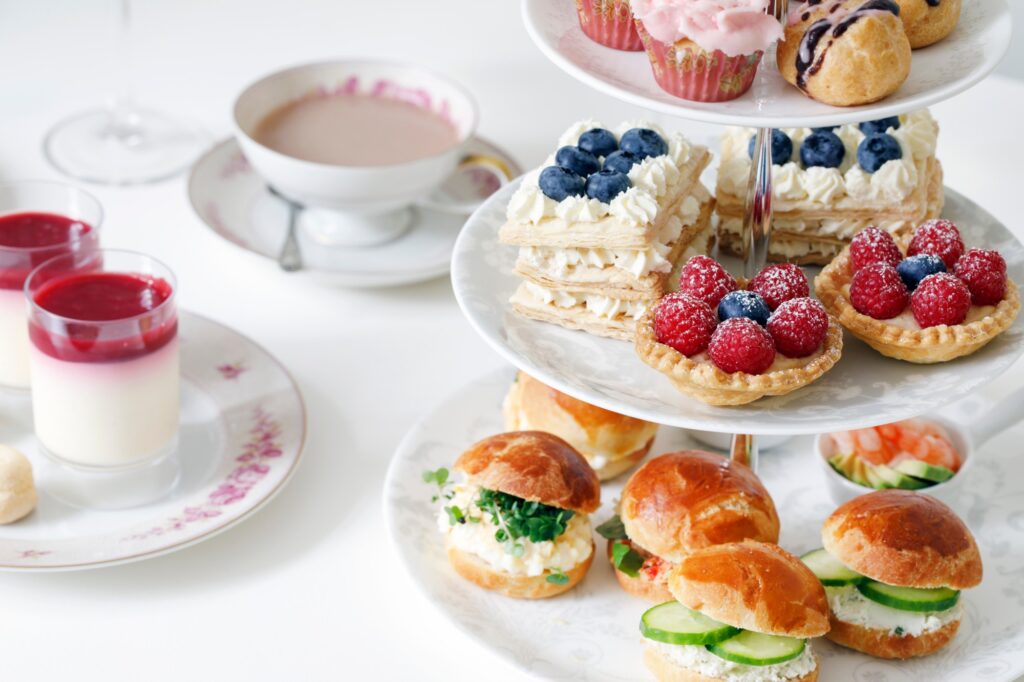
A traditional afternoon tea menu generally includes three food courses accompanied by freshly brewed tea. The first consists of savory finger sandwiches or other small savory bites, followed by scones served with cream and preserves. The final course features an assortment of cakes, pastries, cookies, or other small desserts. These foods are often presented together on a three-tier serving stand, although separate platters and cake stands work equally well.
Finger sandwiches are particularly important because they provide a savory contrast to the sweeter foods. Traditional choices include cucumber with butter or cream cheese, egg salad with chives, smoked salmon with dill, and chicken salad. Small quiches, savory pastries, and cheese tartlets can also be included, especially when the gathering is intended to replace lunch.
Scones form the middle portion of the menu and are usually served with strawberry jam, raspberry preserves, lemon curd, or clotted cream. Plain scones are traditional, but flavored varieties can be a lovely addition to a themed tea party. Lemon, blueberry, cranberry-orange, lavender, and spiced scones can all complement different seasonal menus.
The dessert course provides an opportunity to introduce color and variety. Small cakes, fruit tarts, shortbread, macarons, madeleines, and petit fours are all excellent choices. Offering miniature portions allows guests to sample several flavors without feeling overwhelmed by large desserts.
Finally, the tea selection brings the menu together. English Breakfast, Earl Grey, Darjeeling, and Ceylon are classic choices, while jasmine green tea, oolong, rooibos, and herbal infusions can provide additional variety. Most home tea parties need only two or three tea selections, ideally including an option for guests who prefer to avoid caffeine.
🌹 1. Traditional English Afternoon Tea Menu
A traditional English afternoon tea is an excellent choice when you want a timeless, elegant gathering. The familiar combination of finger sandwiches, scones, preserves, and small cakes creates a complete menu that works beautifully for birthdays, family celebrations, or a quiet afternoon with friends. This style is particularly appealing if you enjoy vintage china, floral tablecloths, and the charming rituals associated with British tea culture.
For the savory course, serve cucumber sandwiches with butter or herbed cream cheese, egg salad sandwiches with finely chopped chives, and smoked salmon sandwiches with dill. These three fillings provide a balance of delicate, creamy, and savory flavors. Soft white sandwich bread works particularly well for cucumber and egg salad, while smoked salmon can also be served on thinly sliced rye or brown bread. Remove the crusts and cut the sandwiches into narrow fingers for a classic presentation.
The scone course should feature freshly baked plain or lightly fruited scones accompanied by strawberry preserves and clotted cream. Raspberry jam and lemon curd can provide additional choices, although offering too many accompaniments is unnecessary. Warm scones are especially enjoyable because their tender texture contrasts beautifully with the cool cream and sweet preserves.
For dessert, serve small slices of Victoria sponge cake, buttery shortbread biscuits, and miniature lemon tarts. These traditional-style sweets complement the savory foods and provide a satisfying variety without making the menu excessively rich. A traditional English Breakfast tea is an ideal main beverage because its full-bodied flavor pairs well with both sandwiches and scones. Earl Grey offers a fragrant alternative, while decaffeinated black tea or a suitable herbal infusion can be provided for guests who prefer to limit caffeine.
A beautiful teapot, mismatched floral teacups, linen napkins, and a simple arrangement of roses complete the atmosphere. The result is a classic afternoon tea menu that feels special without requiring an elaborate selection of foods.
💍 2. Elegant Bridal Shower Afternoon Tea Menu
An afternoon tea party is a wonderful choice for a bridal shower because it creates a setting that feels elegant, relaxed, and personal. Rather than planning a complicated meal, you can offer guests a beautiful assortment of small foods while leaving plenty of time for conversation, gift opening, and celebrating the bride-to-be. The menu can be traditional and romantic or slightly more contemporary, depending on the guest of honor’s preferences.
For the savory selection, consider cucumber and herbed cream cheese sandwiches, chicken salad fingers, smoked salmon with dill, and miniature spinach-and-feta tartlets. The sandwiches provide familiar afternoon tea flavors, while the tartlets add a slightly more substantial option. Serving several types of bread, including white, whole wheat, and light rye, can make the platter look especially attractive. Keep the fillings relatively thin so the finished sandwiches remain delicate and easy to handle.
Classic cream scones are an excellent choice for the middle course. Serve them with strawberry preserves, lemon curd, and clotted cream or lightly whipped cream. If you would like a more decorative presentation, miniature scones can be arranged around small bowls of preserves and garnished with a few fresh berries.
The dessert selection can include pastel-colored macarons, miniature lemon tartlets, petit fours, and chocolate-dipped strawberries. These sweets provide a beautiful assortment of colors and textures, particularly when arranged on white or floral serving plates. A small decorated cake may also serve as the centerpiece, especially if the bridal shower includes a formal cake-cutting moment.
For tea, offer Darjeeling, Earl Grey, and a caffeine-free alternative such as rooibos. Darjeeling’s delicate character works well with lighter sandwiches and fruit desserts, while Earl Grey complements lemon pastries and buttery cakes. Soft floral decorations, low arrangements of roses or peonies, and elegant serving pieces can complete the setting without requiring elaborate decorations.
For additional inspiration, see our Tea Party Bridal Shower: Ideas, Menu, Décor & Games.
🍼 3. Baby Shower Afternoon Tea Menu
A baby shower afternoon tea offers a lovely alternative to a traditional buffet or sit-down lunch. The small portions encourage guests to sample different foods while mingling, and the menu can be adapted to almost any theme. Soft pastels, woodland animals, garden flowers, storybooks, or simple neutral decorations can all complement a charming afternoon tea setting.
For the savory course, choose approachable fillings such as cucumber and cream cheese, egg salad with chives, and turkey with a mild herb spread. Miniature cheese quiches or spinach pastries can provide an additional savory option, especially when the party takes place around lunchtime. Preparing the fillings ahead of time and assembling the sandwiches shortly before serving will make the event easier to manage.
Plain or vanilla scones are particularly versatile for a baby shower because they pair with several different preserves. Strawberry jam, raspberry preserves, and lemon curd create an attractive assortment of colors and flavors, while a bowl of cream provides the traditional finishing touch. Miniature scones can be especially convenient for larger gatherings where guests will be sampling several foods.
For dessert, consider small vanilla cupcakes decorated with pastel-colored frosting, lemon bars, sugar cookies shaped like flowers or stars, and miniature fruit tartlets. A celebration cake can also be included, but it is best to reduce the number of additional sweets if you plan to serve generous slices. Keeping the desserts relatively small creates a pretty presentation without overwhelming the table.
For beverages, offer a familiar black tea, a clearly labeled decaffeinated option, and sparkling water with lemon or berries. When hosting pregnant guests, remember that decaffeinated tea can contain small amounts of caffeine, and not every herbal blend is appropriate during pregnancy. Clearly identify tea ingredients and allow guests to choose according to their own needs. It is also sensible to use pasteurized dairy products and fully cooked fillings rather than building the menu around foods requiring special pregnancy-related precautions.
A baby shower tea party works particularly well when the food is displayed on a buffet or several serving stands, allowing guests to enjoy refreshments throughout the gathering.
💐 4. Mother’s Day Afternoon Tea Menu
Mother’s Day is a wonderful occasion for an afternoon tea party because the gathering can be made especially personal. A beautiful table, favorite family recipes, freshly brewed tea, and an assortment of small treats can create a meaningful celebration without requiring a complicated restaurant reservation or elaborate meal.
Begin by choosing savory sandwiches that reflect the guest of honor’s preferences. Cucumber and herb cream cheese sandwiches are a classic choice, while chicken salad with finely chopped celery or egg salad with watercress can provide more substantial flavors. For something slightly different, consider small sandwiches filled with Brie and thinly sliced apple or miniature mushroom-and-cheese tartlets. These options can be prepared in manageable quantities and arranged attractively on a serving platter.
For the scone course, lemon scones are particularly appropriate for a spring Mother’s Day gathering. Their bright citrus flavor pairs beautifully with strawberry preserves, raspberry jam, or lemon curd. Plain cream scones can also be offered if you would like a more traditional selection. Serve them slightly warm, with small bowls of cream and preserves placed within easy reach.
The dessert course might include strawberry shortcakes, lemon drizzle cake, buttery madeleines, and chocolate-dipped strawberries. If your mother or guest of honor has a favorite cake, incorporating it into the menu can make the afternoon feel more thoughtful than choosing desserts solely for their appearance. A favorite family recipe may become the most memorable item on the table.
Earl Grey is an excellent tea choice because its fragrant bergamot notes complement citrus and berry desserts. Jasmine green tea offers a lighter alternative, while rooibos or another caffeine-free infusion can complete the selection. Fresh flowers, pretty napkins, and a handwritten place card can add personal touches without requiring expensive decorations.
The best Mother’s Day afternoon tea menu is one that reflects the person being celebrated. Favorite flavors, familiar recipes, and time spent together are often more meaningful than an elaborate display.
🎂 5. Birthday Afternoon Tea Menu
A birthday afternoon tea party offers the perfect opportunity to combine traditional tea-time foods with colorful desserts and a celebratory atmosphere. This style works beautifully for adults who enjoy a more relaxed gathering than a large party, and it can be adapted to suit almost any age or personal preference.
For the savory course, serve chicken salad sandwiches, cucumber fingers, and miniature ham-and-cheese croissants. If you prefer a more traditional presentation, replace the croissants with ham and mild mustard sandwiches cut into small triangles. Adding mini quiches can make the menu more substantial, particularly if guests are arriving before they have eaten lunch.
Vanilla or strawberry scones create a festive alternative to plain scones. Serve them with strawberry jam, raspberry preserves, and cream, allowing guests to choose their preferred combinations. Small scones are especially practical for a birthday tea because they leave room for the centerpiece dessert.
A birthday cake is naturally the highlight of the sweet course. Lemon layer cake, chocolate cake, Victoria sponge, and strawberry cake are all lovely possibilities. Instead of preparing numerous additional desserts, surround the cake with a few complementary treats such as macarons, chocolate truffles, or shortbread cookies. This creates an attractive assortment while keeping the menu balanced.
For tea, offer Earl Grey, English Breakfast, and a caffeine-free alternative. If the birthday celebration takes place during warmer weather, a pitcher of iced peach tea or lemon iced tea can provide an additional refreshing option. You can also choose a favorite tea blend associated with the guest of honor, making the beverage selection part of the celebration.
Colorful flowers, a cheerful tablecloth, small candles, and a beautifully presented birthday cake are often all you need to complete the setting. A birthday afternoon tea should feel festive without requiring so many decorations or activities that guests have little time to relax.
🌷 6. Spring Garden Afternoon Tea Menu
Spring is one of the loveliest seasons for hosting an afternoon tea party, especially when flowers are blooming and the weather is comfortable enough to enjoy a garden or patio. A spring menu can emphasize fresh vegetables, delicate herbs, berries, citrus flavors, and lighter teas that complement the season.
For savory foods, choose cucumber and dill sandwiches, egg salad with watercress, and miniature asparagus quiches. The fresh flavors and soft colors create an attractive assortment that feels appropriate for the season. Herbed cream cheese, thinly sliced radishes, and tender lettuce can also be used to create additional vegetarian sandwiches if you want to offer more variety.
Lemon scones are particularly beautiful for a spring afternoon tea. Their bright flavor pairs naturally with strawberry preserves and lemon curd, while plain cream scones provide a more traditional alternative. If fresh strawberries are available, serve a few alongside the scones for additional color and freshness.
The dessert selection can include strawberry tartlets, lemon bars, madeleines, and small vanilla cakes decorated with edible flowers. Edible flower decorations should come from flowers specifically grown and identified for culinary use, rather than ordinary florist bouquets. Alternatively, fresh berries and small mint leaves provide attractive garnishes without requiring special ingredients.
For tea, consider a light Darjeeling, jasmine green tea, and chamomile. Darjeeling can complement delicate pastries, while jasmine green tea is particularly pleasant with cucumber sandwiches and fresh fruit. Chamomile provides a gentle, caffeine-free option for guests who prefer something lighter.
Fresh tulips, daffodils, pastel linens, and simple white china can create a cheerful spring setting. If you are hosting outdoors, choose a sheltered location and have an indoor alternative available in case the weather changes.
☀️ 7. Summer Patio or Garden Afternoon Tea Menu
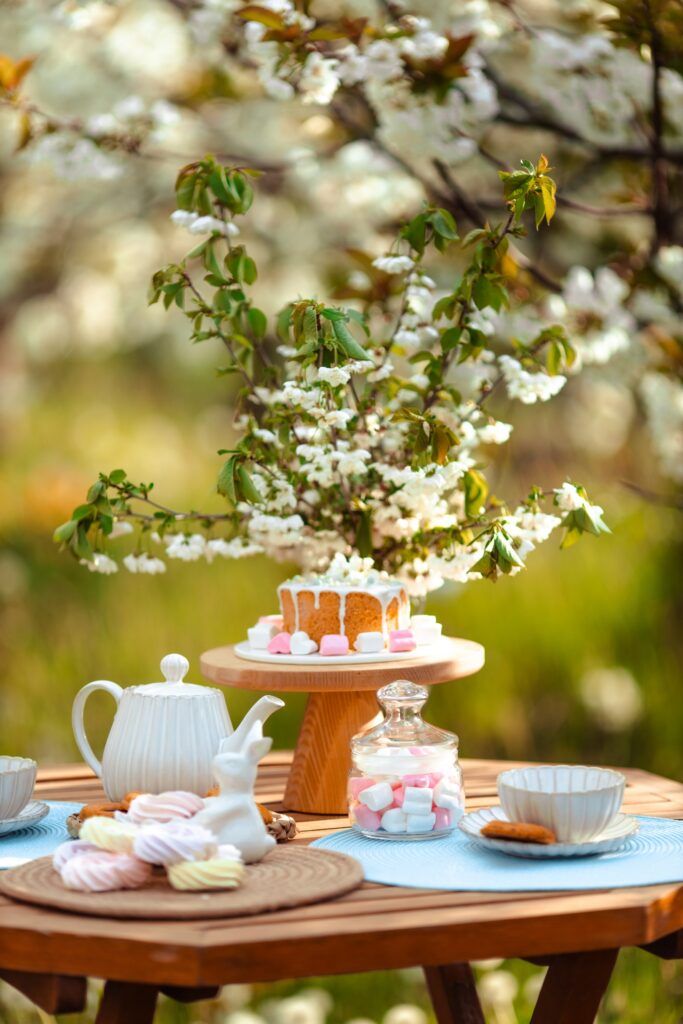
Summer afternoon tea parties are especially enjoyable when the menu emphasizes refreshing flavors, seasonal fruit, and cool beverages. A shaded patio, garden table, or screened porch can provide a beautiful setting, although the menu should be designed with warmer temperatures in mind.
For savory foods, serve cucumber sandwiches with mint cream cheese, chicken salad with finely chopped grapes, and small goat cheese tartlets with roasted peppers. These combinations feel light while still providing enough substance for an afternoon gathering. Fresh herbs such as basil, dill, and mint can add flavor without making the food heavy.
Blueberry scones or lightly sweetened lemon scones are excellent choices for summer. Serve them with raspberry preserves, strawberry jam, and cream, along with a small bowl of fresh berries. Keeping the scones simple allows the seasonal fruit to become an important part of the menu.
For desserts, consider peach tartlets, strawberry shortcake bites, lemon cookies, and miniature berry cheesecakes. Choose only two or three varieties so the table does not become overloaded with sweets. Fresh fruit can also be served on its own, providing a refreshing contrast to the cakes and pastries.
Iced tea is particularly appropriate for a summer gathering. Classic Ceylon iced tea, peach iced tea, and chilled jasmine green tea can all complement the menu beautifully. Serve sweeteners separately whenever practical, allowing guests to adjust their drinks according to their preferences. A pitcher of chilled water with lemon or mint is also a thoughtful addition.
Warm weather requires extra attention to food storage. Keep sandwiches, cream-filled desserts, and other perishable foods refrigerated or properly chilled until shortly before serving. Rather than placing every platter outside at once, bring out smaller quantities and replenish them from the refrigerator or cooler.
A summer tea party should feel relaxed and refreshing, with seasonal flavors and a comfortable setting that encourages guests to linger over their tea.
🍂 8. Autumn Harvest Afternoon Tea Menu
An autumn afternoon tea party offers an opportunity to celebrate the comforting flavors of the season. Apples, pears, cranberries, warm spices, nuts, and richer teas can transform a traditional afternoon tea into a cozy gathering that feels especially appropriate when the weather begins to cool.
For savory foods, serve turkey and cranberry sandwiches, cheddar and thinly sliced apple sandwiches, and miniature mushroom tartlets. These combinations provide a pleasant balance of savory, fruity, and earthy flavors. A little Dijon mustard can complement turkey or ham, while Brie pairs beautifully with crisp apple slices. Use thin layers of filling so the sandwiches remain easy to handle.
Cranberry-orange scones are an excellent centerpiece for the scone course. Their combination of tart berries and citrus creates a seasonal flavor that pairs beautifully with black tea. Serve them with apple butter, orange marmalade, or traditional strawberry preserves. Maple scones are another lovely option, particularly when paired with plain cream.
For dessert, consider miniature apple cakes, pear tartlets, ginger cookies, and small chocolate truffles. The variety of fruit, spice, and chocolate creates a satisfying autumn assortment without requiring several large cakes. A spiced apple loaf can also be cut into small squares and served alongside shortbread.
Assam is particularly well suited to an autumn menu because its robust, often malty flavor complements rich pastries and spiced baked goods. Keemun, English Breakfast, and gently spiced chai are other appealing choices. A rooibos blend with cinnamon or vanilla can provide a caffeine-free alternative.
For decorations, use warm-colored linens, small pumpkins, autumn leaves, pears, and simple arrangements of seasonal flowers. A few natural elements can create a charming harvest atmosphere without overwhelming the tea table.
🎄 9. Christmas and Holiday Afternoon Tea Menu
A Christmas afternoon tea party combines the elegance of traditional tea service with the familiar flavors of the holiday season. It can be a lovely alternative to a full holiday dinner, particularly when gathering with friends, neighbors, or family members during a busy time of year.
For the savory course, consider turkey and cranberry sandwiches, smoked salmon with dill, and miniature cheese-and-onion tartlets. Ham with mild mustard is another excellent option, particularly when served on soft whole wheat or light rye bread. These fillings reflect familiar holiday flavors while remaining suitable for small, elegant portions.
Cranberry-orange scones are especially appropriate for a Christmas tea. Serve them with orange marmalade, strawberry preserves, and clotted cream or lightly whipped cream. Plain scones can also be included for guests who prefer a more traditional flavor, although there is no need to prepare multiple varieties unless you particularly enjoy baking.
The dessert course offers plenty of opportunities for seasonal treats. Buttery shortbread, miniature gingerbread cookies, small slices of fruitcake, chocolate truffles, and cranberry-orange cakes can all contribute to a festive assortment. Rather than preparing every possible holiday dessert, choose three that provide contrasting flavors and textures. A combination of shortbread, gingerbread, and chocolate is simple, recognizable, and easy to prepare ahead.
For beverages, offer a traditional Ceylon or English Breakfast tea, a gently spiced black tea, and peppermint or rooibos as a caffeine-free alternative. Orange and spice flavors work particularly well with holiday baking, while plain black tea provides a familiar choice for guests who prefer traditional tea.
Decorate the table with evergreen branches, small ornaments, cranberries, and a few candles, keeping decorations safely away from food and open flames. Holiday china or a simple red-and-green color palette can complete the setting without requiring elaborate arrangements.
A Christmas afternoon tea is particularly enjoyable because so many seasonal cookies and cakes can be made ahead of time, allowing the host to concentrate on the sandwiches, scones, and tea when guests arrive.
📚 10. Cozy Winter or Book Club Afternoon Tea Menu
A cozy winter afternoon tea is ideal for quieter gatherings when the weather encourages everyone to remain indoors. This menu also works beautifully for book clubs, small friendship gatherings, or a relaxed afternoon of conversation. Instead of focusing on elaborate decorations, emphasize comforting flavors, warm tea, and a welcoming atmosphere.
For the savory course, serve cheddar and chutney sandwiches, chicken salad with herbs, and small mushroom-and-cheese pastries. These slightly richer foods feel appropriate for colder weather without becoming too heavy. Soft whole wheat bread can complement the cheese and chicken fillings, while white bread works well for more delicate sandwiches.
Plain cream scones or lightly spiced cinnamon scones are excellent choices for the middle course. Serve them warm with raspberry preserves, orange marmalade, or apple butter. A small bowl of cream adds the traditional finishing touch, while the aroma of freshly warmed scones makes the gathering feel especially inviting.
For dessert, choose shortbread cookies, miniature chocolate brownies, and small slices of spiced pear or apple cake. These foods can be prepared in advance and served without complicated last-minute assembly. Chocolate and warm spices are particularly appealing during winter, especially when balanced by the lighter flavors of tea.
Assam, English Breakfast, and Keemun are all excellent choices for a winter tea. Their full-bodied flavors complement cheese sandwiches, rich cakes, and buttery cookies. A vanilla rooibos or peppermint infusion provides a comforting caffeine-free alternative.
A book club tea party can be arranged around a coffee table, dining table, or comfortable seating area with the refreshments displayed nearby. Soft lighting, warm linens, and a simple arrangement of seasonal greenery create an inviting atmosphere. If the gathering centers around a particular book, you could even choose one dessert inspired by its setting or characters.
The appeal of this menu lies in its simplicity. It provides enough food and variety to feel special while allowing everyone to enjoy tea, conversation, and the pleasure of an unhurried winter afternoon.
🧸 11. Children’s Afternoon Tea Party Menu
An afternoon tea party can be a delightful celebration for children, particularly for birthdays, family gatherings, or special afternoons with grandparents. The traditional tea party format can be adapted with familiar foods, colorful desserts, and simple serving pieces that are easy for younger guests to handle.
For the savory selection, choose small sandwiches with mild, familiar fillings such as cream cheese and cucumber, turkey and cheese, or a simple egg salad. Peanut butter and jam can also be popular where allergies and household preferences permit, but it is important to ask about food allergies before planning the menu. Cut the sandwiches into manageable shapes and sizes appropriate for the children’s ages, avoiding hard or awkwardly shaped foods that may create choking hazards for younger guests.
Miniature plain or blueberry scones can make the middle course feel festive. Serve them with strawberry jam, cream cheese, or another simple topping, allowing children to choose their favorites. Small portions are particularly useful because younger guests may prefer tasting several foods rather than eating a large scone.
For dessert, consider miniature cupcakes, soft sugar cookies, small pieces of sponge cake, and sliced strawberries. A few decorative sprinkles or colorful paper cupcake cases can make ordinary baked goods feel suitable for a party. There is no need to prepare an elaborate dessert buffet, especially if the gathering includes a birthday cake.
For drinks, offer appropriately cooled caffeine-free beverages such as a mild fruit infusion, along with water. Warm drinks should be served at a safe temperature and with suitable supervision. Small cups or sturdy mugs can provide the fun of a tea party without relying on delicate china.
A children’s afternoon tea party can be especially charming when paired with simple decorations, paper flowers, or a small craft activity. The goal is to introduce the pleasure of sharing tea-time treats in a setting that feels playful, comfortable, and age-appropriate.
🌿 12. Vegetarian Afternoon Tea Menu
A vegetarian afternoon tea can be every bit as varied and satisfying as a traditional menu containing meat or fish. In fact, some of the most recognizable afternoon tea sandwiches are already vegetarian, including cucumber, watercress, and egg salad. With a little creativity, it is easy to create a complete menu that feels elegant and flavorful without relying on meat-based fillings.
For the savory course, serve cucumber and herbed cream cheese sandwiches, egg salad with chives, and cheddar with a mild chutney. Miniature mushroom tartlets or spinach-and-feta pastries can add a warm savory element. Goat cheese with roasted red peppers is another excellent choice, particularly when served on soft whole wheat bread. If you are hosting guests who avoid eggs or dairy as well, these recipes can be adapted with suitable plant-based alternatives, although you should check the individual ingredients carefully.
For the scone course, serve plain or lemon scones with strawberry preserves, raspberry jam, and cream. Traditional scones usually contain dairy and may contain eggs, so they are suitable for many vegetarians but not automatically appropriate for vegan guests. Plant-based scones made with suitable nondairy ingredients can provide an alternative if needed.
The dessert selection might include lemon bars, fruit tartlets, buttery shortbread, and small chocolate cakes. These familiar sweets create a satisfying balance of bright, buttery, and rich flavors. If you are planning a strictly vegetarian menu for guests who avoid animal-derived gelatin, check ingredients in commercial desserts, glazes, fillings, and sweets.
For tea, offer Earl Grey, jasmine green tea, and peppermint or rooibos. The fragrant citrus notes of Earl Grey complement lemon desserts, while jasmine green tea pairs beautifully with delicate vegetable sandwiches. Rooibos provides a smooth, naturally caffeine-free option.
A vegetarian afternoon tea is particularly convenient for a mixed group because it can provide a wide variety of flavorful foods without requiring separate meat and vegetarian platters. The key is to focus on fresh ingredients, contrasting flavors, and attractive presentation rather than treating vegetarian choices as substitutes for a conventional menu.
🍵 How to Choose the Best Tea for Your Afternoon Tea Menu
Once you have chosen your food menu, the next step is selecting teas that complement the flavors. You do not need an extensive tea collection to create a memorable afternoon tea. Two or three thoughtfully chosen varieties can provide enough choice for most gatherings.
Black tea is the most traditional starting point. English Breakfast and Assam work particularly well with rich savory sandwiches, buttery scones, and substantial desserts. Earl Grey offers a more fragrant alternative, with bergamot notes that complement lemon cakes, shortbread, and delicate pastries. Darjeeling can be particularly enjoyable with lighter foods and fruit-based desserts.
Green tea provides a refreshing contrast to richer foods. Jasmine green tea pairs beautifully with cucumber sandwiches, mild cream cheese, and fresh fruit, while sencha can work well with delicate savory bites. Some oolong teas offer floral or roasted flavors that complement pastries, although the best choice depends on the particular tea.
For gatherings featuring chocolate desserts or strongly spiced cakes, a robust black tea can provide a satisfying balance. Assam, Keemun, and Ceylon are all worth considering, while peppermint and rooibos can offer contrasting caffeine-free choices.
It is helpful to brew each tea according to its specific requirements rather than using the same water temperature and steeping time for every variety. Many black teas tolerate near-boiling water, while some green and white teas require cooler temperatures to avoid unpleasant bitterness.
If you are hosting several guests, label the teapots and provide milk, sugar, honey, and lemon separately. This allows guests to customize their cups while enjoying the tea at their preferred strength.
📏 How Much Food Should You Prepare for an Afternoon Tea Party?
One of the most common challenges when planning an afternoon tea menu is deciding how much food to make. Because afternoon tea includes several different courses, portions are generally smaller than those served at a conventional lunch or dinner.
For a light afternoon gathering, a practical starting point is approximately four to six small finger sandwiches per person, one medium-sized scone, and two or three small desserts. Guests who have already eaten lunch may prefer less, while those attending a tea party that replaces lunch may appreciate additional savory foods.
For a gathering of six adults, this would mean approximately 24 to 36 finger sandwiches, six to eight scones, and 12 to 18 small dessert portions. Choosing three sandwich fillings and two or three desserts will usually provide enough variety without requiring an excessive amount of preparation.
For twelve guests, approximately 48 to 72 finger sandwiches, 12 to 15 scones, and 24 to 36 small desserts provide a reasonable starting point. If you are serving mini quiches or other substantial savory bites, you can reduce the sandwich quantities accordingly.
Tea quantities depend on the size of the cups and how long the gathering lasts. Planning for approximately two or three small cups per guest is a useful starting point, with additional hot water available if needed. Offering two caffeinated selections and one decaffeinated or naturally caffeine-free option usually provides a good balance.
If you are including a large birthday or celebration cake, remember that it may replace some of the other desserts. Serving a full slice of cake after several pastries and scones can be more food than most guests want.
The best approach is to plan a generous but manageable menu, with enough variety to make the gathering enjoyable without creating excessive leftovers.
⏰ How Far Ahead Can You Prepare an Afternoon Tea Menu?
A beautiful afternoon tea party does not require spending the entire day in the kitchen. Much of the preparation can be completed ahead of time, particularly when you choose recipes that store well.
Two or three days before the gathering, finalize the menu, purchase the ingredients, and organize your serving pieces. This is also a good time to prepare any decorations or confirm dietary requirements with guests. If you are baking several items, decide which recipes can be made early and which will taste best when prepared closer to serving.
The day before the party, bake cakes, shortbread, and other desserts that keep well when stored appropriately. You can also prepare many sandwich fillings, including egg salad, chicken salad, and herbed cream cheese, provided they are refrigerated promptly. Preparing these components in advance can save considerable time on the day of the event.
On the morning of the gathering, assemble the sandwiches and arrange the desserts. Moisture-sensitive sandwiches, particularly cucumber and tomato varieties, are best made relatively close to serving time. Scones can be baked earlier in the day or gently warmed before guests arrive.
Shortly before the party begins, prepare the teapots, fill the water glasses, and bring out the first serving of sandwiches. Rather than brewing every pot of tea in advance, prepare fresh tea as needed so it retains its intended flavor and aroma.
Perishable foods require particular attention. FoodSafety.gov recommends keeping refrigerators at 40°F (4°C) or below and limiting the time perishable foods remain at room temperature to two hours, or one hour when temperatures exceed 90°F (32°C). For larger gatherings, keep additional sandwiches and cream-filled desserts chilled and replenish the serving platters as necessary.
With a manageable menu and a simple preparation schedule, the host can enjoy the gathering instead of constantly returning to the kitchen.
💐 How to Make an Afternoon Tea Menu Feel Special on a Budget
An afternoon tea party does not need to be expensive to feel elegant. Some of the most beautiful tea tables are created with simple homemade foods, inexpensive flowers, and serving pieces collected over time.
Finger sandwiches are a particularly economical choice because ordinary ingredients can be transformed into attractive small portions. Cucumber and cream cheese, egg salad, cheddar and chutney, and herbed vegetable fillings can all create delicious sandwiches without requiring costly specialty ingredients.
Homemade scones are another excellent way to keep expenses manageable. A basic scone recipe typically uses common baking ingredients, and serving the scones with one preserve and cream is entirely sufficient. There is no need to offer several elaborate flavors unless you enjoy baking them.
For desserts, consider preparing one simple cake and one type of cookie. Lemon loaf cake cut into small squares, shortbread biscuits, or mini brownies can look beautiful when arranged carefully on serving stands. Fresh berries can add color and freshness without requiring an additional baked dessert.
You can also make good use of the serving pieces you already own. Mismatched china, ordinary white plates, cake stands, and simple serving platters can create an appealing afternoon tea setting. A three-tier stand is traditional but not essential.
Small floral arrangements made from garden flowers or inexpensive grocery-store bouquets can complete the table. Rather than purchasing numerous decorations, focus on a consistent color palette and a few thoughtful details.
The most memorable part of an afternoon tea party is rarely the cost of the food or decorations. Guests are more likely to remember delicious tea, a welcoming atmosphere, and the pleasure of spending time together.
❓ Frequently Asked Questions About Afternoon Tea Menus
What Is a Traditional Afternoon Tea Menu?
A traditional afternoon tea menu usually includes savory finger sandwiches, scones served with jam and cream, and an assortment of small cakes or pastries. These foods are accompanied by freshly brewed tea, commonly black tea such as English Breakfast, Earl Grey, Darjeeling, or Ceylon. The foods may be arranged on a three-tier stand, with sandwiches on the bottom, scones in the middle, and sweets on top.
What Are the Best Finger Sandwiches for Afternoon Tea?
Cucumber and cream cheese, egg salad with chives, smoked salmon with dill, chicken salad, ham with mustard, and cheddar with chutney are all excellent choices. A balanced afternoon tea menu generally includes two or three sandwich fillings with different flavors and textures. Soft white bread is particularly suitable for delicate fillings, while whole wheat and rye can complement stronger savory ingredients.
How Many Sandwich Varieties Should You Serve?
For most home afternoon tea parties, two or three sandwich varieties are sufficient. A larger gathering or special celebration might benefit from four selections, particularly if sandwiches are the main savory food. Choosing a manageable assortment makes preparation easier and helps ensure the sandwiches remain fresh.
Do You Have to Serve Scones at Afternoon Tea?
Scones are an important part of traditional British afternoon tea, but they are not mandatory for every modern tea party. If you are planning a classic afternoon tea, including scones with jam and cream helps preserve the familiar tradition. However, a more casual or themed gathering can feature muffins, tea cakes, biscuits, or other baked goods instead.
What Are the Best Desserts for Afternoon Tea?
Small cakes, fruit tartlets, shortbread, madeleines, macarons, petit fours, lemon bars, and miniature cupcakes are all popular afternoon tea desserts. The best selection includes several contrasting flavors rather than multiple sweets that taste similar. For example, a lemon tart, a chocolate brownie bite, and a buttery shortbread cookie create a varied and appealing dessert course.
What Tea Is Best for Afternoon Tea?
English Breakfast, Earl Grey, Darjeeling, and Ceylon are classic choices for afternoon tea. English Breakfast pairs well with savory sandwiches and scones, while Earl Grey complements citrus desserts and delicate pastries. Green tea, oolong, rooibos, and herbal infusions can provide additional variety. Offering two or three choices is usually enough for a home gathering.
How Much Food Do You Need for an Afternoon Tea Party?
For a light afternoon gathering, plan approximately four to six small sandwich fingers, one scone, and two or three small desserts per guest. Increase the savory portions if the tea party replaces lunch. If you are serving a large cake, reduce the other sweets accordingly. The exact quantities depend on your guests’ preferences and the length of the event.
Can You Make Afternoon Tea Food the Day Before?
Yes. Many afternoon tea desserts, including cakes, shortbread, and certain pastries, can be prepared the day before. Sandwich fillings can also often be made ahead and refrigerated appropriately. However, delicate sandwiches containing cucumber, tomato, or other moisture-rich ingredients are best assembled closer to serving time. Scones are particularly enjoyable when freshly baked or gently warmed before the gathering.
What Should You Serve at a Birthday Afternoon Tea?
A birthday afternoon tea might include cucumber sandwiches, chicken salad fingers, miniature quiches, vanilla scones with strawberry preserves, macarons, and a centerpiece birthday cake. Earl Grey and English Breakfast are versatile tea choices, while a caffeine-free alternative ensures guests have additional options. The menu can be customized to include the guest of honor’s favorite foods and cake flavors.
What Should You Serve at a Christmas Afternoon Tea?
A Christmas afternoon tea can feature turkey and cranberry sandwiches, smoked salmon with dill, cranberry-orange scones, gingerbread cookies, shortbread, miniature fruitcakes, and chocolate truffles. Traditional black teas and gently spiced blends complement the seasonal flavors, while peppermint or rooibos provides a caffeine-free alternative. Evergreen decorations, red berries, and festive china can complete the atmosphere.
Can You Host an Afternoon Tea Without a Three-Tier Stand?
Yes. Although three-tier stands are commonly associated with traditional afternoon tea, separate platters, cake stands, and serving dishes work perfectly well. You can arrange the savory sandwiches on one platter, the scones in a basket or on a plate, and the desserts on a cake stand. Good presentation depends more on the arrangement of the food than on specialized equipment.
What Is the Easiest Afternoon Tea Menu for Beginners?
A simple beginner-friendly menu might include cucumber and cream cheese sandwiches, egg salad sandwiches, plain scones with strawberry jam and cream, shortbread cookies, and lemon cake. Serve Earl Grey or English Breakfast tea alongside a caffeine-free option. This provides the familiar components of a traditional afternoon tea while keeping the shopping, preparation, and serving manageable.
🌸 Creating the Perfect Afternoon Tea Menu for Any Occasion
An afternoon tea party can be as elegant, casual, traditional, or creative as you like. Whether you are planning a bridal shower, celebrating Mother’s Day, hosting a birthday gathering, or inviting friends over for a quiet winter afternoon, the menu can be adapted to suit the occasion without losing the charm of afternoon tea.
The most enjoyable menus balance several different elements. Savory finger sandwiches provide a satisfying beginning, freshly baked scones offer a comforting middle course, and small cakes or pastries complete the experience. A thoughtful selection of teas ties the different flavors together and gives guests the opportunity to enjoy their favorite beverages.
Seasonal ingredients can make each gathering feel distinctive. Spring tea parties are especially lovely with strawberries, lemon cakes, and delicate green teas, while summer gatherings benefit from fresh fruit and refreshing iced tea. Autumn menus can emphasize apples, cranberries, and warm spices, while Christmas and winter teas provide an opportunity to enjoy shortbread, gingerbread, rich cakes, and robust black teas.
Special occasions also offer opportunities for personalization. A birthday afternoon tea might feature a favorite cake, while a bridal shower can include beautifully decorated pastries and a romantic floral theme. A Mother’s Day gathering can incorporate treasured family recipes, and a book club afternoon tea can focus on comforting foods that encourage guests to relax and enjoy conversation.
Perhaps the most important thing to remember is that a successful afternoon tea does not require an enormous menu. A few carefully chosen sandwiches, warm scones, two or three desserts, and delicious tea can create a gathering that feels generous and memorable.
Preparing some foods ahead of time, selecting recipes that complement one another, and using serving pieces you already own can make hosting much easier. With thoughtful planning, you can spend less time worrying about the details and more time enjoying the occasion alongside your guests.
Ultimately, the best afternoon tea menu is one that suits the people gathering around the table. Whether served on delicate vintage china or simple everyday plates, afternoon tea offers a charming opportunity to share good food, beautiful tea, and unhurried conversation.
🔗 Related Reading
- Tea Party Menu Ideas for Adults: Sandwiches, Scones, Sweets & Tea
- Tea Party Bridal Shower: Ideas, Menu, Décor & Games
- Tea Party Ideas for Women: Themes, Décor, Food & Activities
- Tea Parties & Afternoon Tea: Ideas, Menus, Etiquette & Hosting Tips
- Tea Sandwich Recipes: 15 Easy Finger Sandwiches for Afternoon Tea
- Tea Cake Recipes: 5 Easy Cakes & Bakes for Afternoon Tea
📚 Sources & Further Reading
- Fortnum & Mason — Afternoon Tea at Home
- Historic England — Where Does the English Habit of Afternoon Tea Come From?
- King Arthur Baking — Scones Recipes
- FoodSafety.gov — Four Steps to Food Safety
- FoodSafety.gov — Cold Food Storage Chart
- Celiac Disease Foundation — Sources of Gluten