There is something wonderfully inviting about a beautifully arranged afternoon tea table. Delicate teacups, freshly pressed linens, fragrant flowers, and tiered stands filled with sandwiches and pastries can transform an ordinary afternoon into a charming occasion. Whether you are hosting a traditional English afternoon tea, a garden party, a bridal shower, or a small gathering with friends, the way you set the table helps create the atmosphere for the entire experience.
One of the loveliest things about afternoon tea is that there are so many ways to style the table. You might prefer the timeless elegance of floral china and crisp white linens, the relaxed charm of mismatched vintage teacups, or a modern setting with simple ceramics and fresh greenery. Seasonal decorations, colorful tablecloths, and thoughtful little details can make each gathering feel different.
A beautiful afternoon tea table does not require expensive china, elaborate decorations, or a perfectly coordinated collection of serving pieces. Some of the most memorable settings are created with everyday dishes, flowers from the garden, and a few carefully chosen accessories. The important thing is to create a welcoming space where guests can enjoy good tea, delicious food, and unhurried conversation.
The following 20 afternoon tea table setting ideas offer inspiration for every style and season, from romantic garden gatherings to cozy winter tea parties. Each idea includes practical ways to combine table linens, teacups, centerpieces, serving pieces, and decorative details into a beautiful and inviting arrangement.
🫖 What Do You Need for an Afternoon Tea Table Setting?
Before choosing a particular decorating style, it helps to understand the basic elements of an afternoon tea table. Although formal traditions can provide inspiration, a comfortable and attractive arrangement is more important than following complicated rules.
Each guest should have a teacup and saucer, a small plate for sandwiches and pastries, a teaspoon, and a napkin. A small dessert fork or butter knife may also be useful, depending on the foods being served. Water glasses are a thoughtful addition, particularly when guests will be enjoying several cups of tea.
The center of the table usually includes a teapot, milk jug, sugar bowl, and serving platters or tiered stands. Small dishes of jam, lemon curd, and cream can be placed near the scones, while sandwiches and desserts can be arranged within easy reach of guests.
A three-tier stand is traditionally associated with afternoon tea, with savory sandwiches on the bottom tier, scones in the middle, and cakes or pastries on top. However, separate cake stands and serving platters can create an equally beautiful presentation.
Flowers, candles, tablecloths, runners, and place cards provide opportunities to personalize the setting. Rather than using every decorative accessory available, choose a few items that complement the tableware and the overall atmosphere.
The most successful tea tables balance beauty with practicality. Guests should have enough room to enjoy their food comfortably, and decorations should not prevent people from seeing one another or reaching the serving dishes.
🌹 1. Classic English Afternoon Tea With Floral China

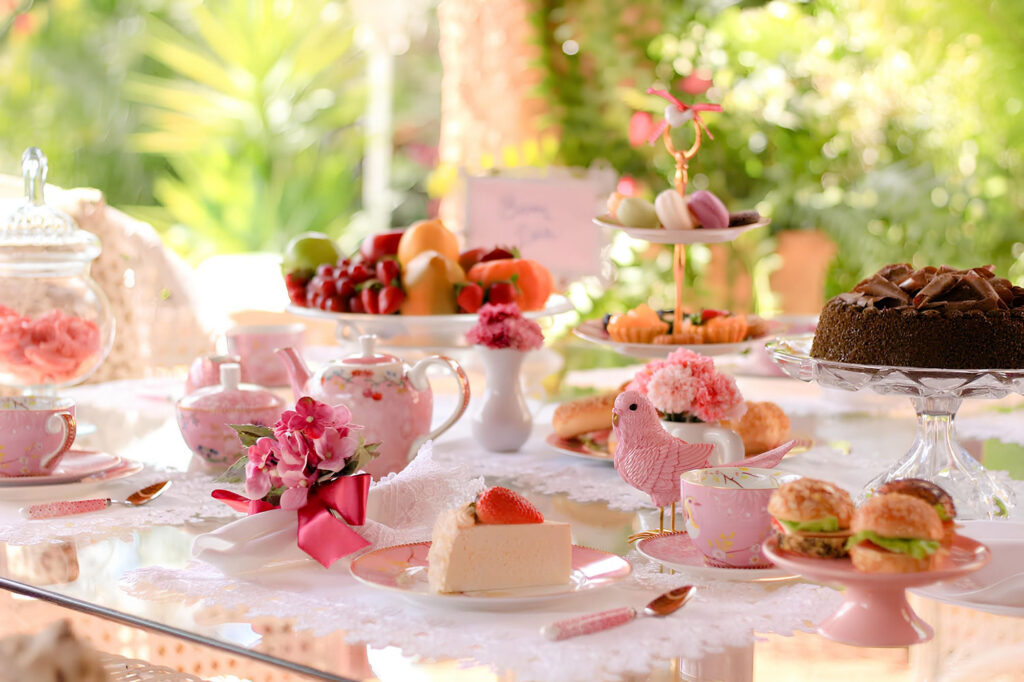
A classic English afternoon tea table is one of the most timeless and recognizable settings. Delicate floral china, crisp linens, polished teaspoons, and beautiful little cakes create an atmosphere that feels elegant without being overly formal. This style is particularly suitable for Mother’s Day, birthdays, bridal showers, or any gathering where you want to celebrate traditional afternoon tea.
Begin with a white or ivory tablecloth to create a simple backdrop for the china. Choose teacups and saucers decorated with roses, delicate wildflowers, or other traditional floral patterns. Matching plates can produce a formal appearance, while complementary patterns offer a slightly more relaxed interpretation. Silver-colored flatware and neatly folded linen napkins complete the individual place settings.
A three-tier serving stand makes a lovely centerpiece, especially when arranged with cucumber sandwiches, freshly baked scones, and small cakes. Place a coordinating teapot nearby, along with a milk jug and sugar bowl. A low arrangement of pink roses or white flowers adds elegance without competing with the serving pieces.
For a particularly charming finishing touch, place a small floral napkin at each setting and use a decorative cake fork beside the plate. Earl Grey, Darjeeling, or English Breakfast tea all complement the traditional atmosphere. The result is an afternoon tea table that feels classic, graceful, and welcoming.
🏺 2. Mismatched Vintage Teacups and Collected China
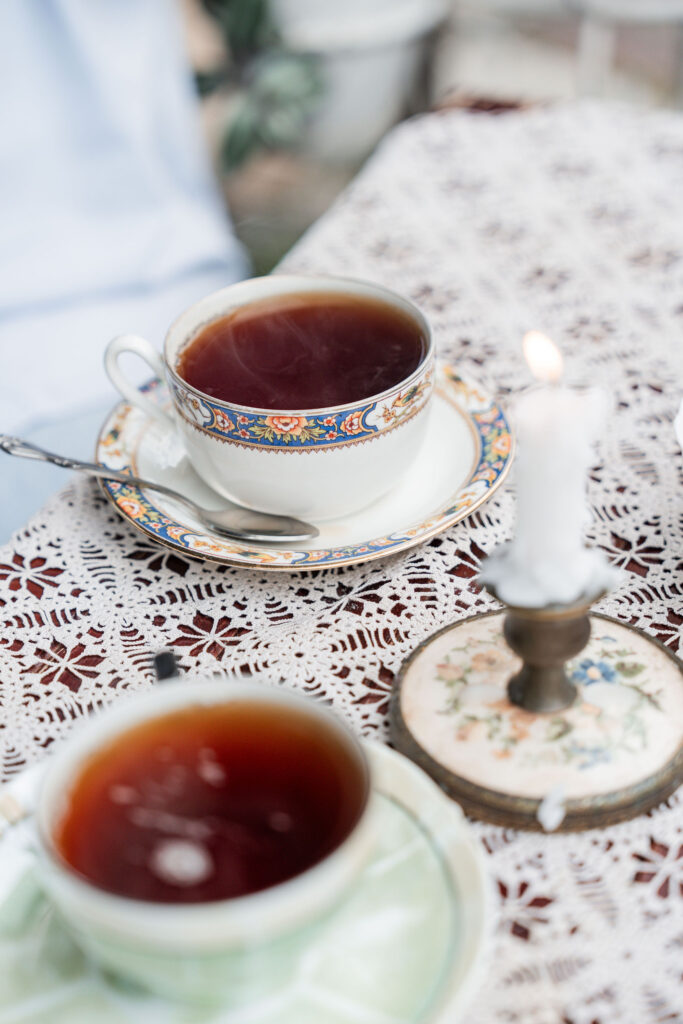
A mismatched vintage tea table has a charm that is difficult to reproduce with perfectly coordinated dinnerware. Different floral patterns, delicate porcelain cups, old-fashioned saucers, and small serving plates create the impression of a collection gathered over many years. This style is especially lovely for relaxed gatherings with friends, vintage-inspired birthdays, and afternoon teas where you want the table to feel personal rather than formal.
Begin with a simple tablecloth in white, cream, or another neutral color. This creates a consistent background that allows the different china patterns to stand out. Arrange a different teacup and saucer at each guest’s place, choosing pieces that share at least one color or decorative detail. For example, several cups might feature different flowers but contain similar shades of pink, blue, or green.
Vintage cake plates, small glass dishes, silver-colored serving utensils, and an old-fashioned teapot can contribute to the collected appearance. A few small vases containing garden flowers will look particularly appropriate, especially when the arrangements are informal rather than perfectly symmetrical. You might even use an attractive vintage creamer or a spare teapot as a flower vase, provided it is no longer needed for serving tea.
Thrift stores, antique shops, estate sales, and family cupboards can be wonderful sources of vintage teaware. There is no need to purchase an entire matching set when individual pieces can be combined so beautifully. For older or decorative china of uncertain food safety, use the pieces for display and serve food and tea in modern food-safe dishes. A vintage-inspired tea table works best when each piece feels thoughtfully chosen, even if nothing matches exactly.
🌼 3. Cottage Garden Afternoon Tea With Wildflowers
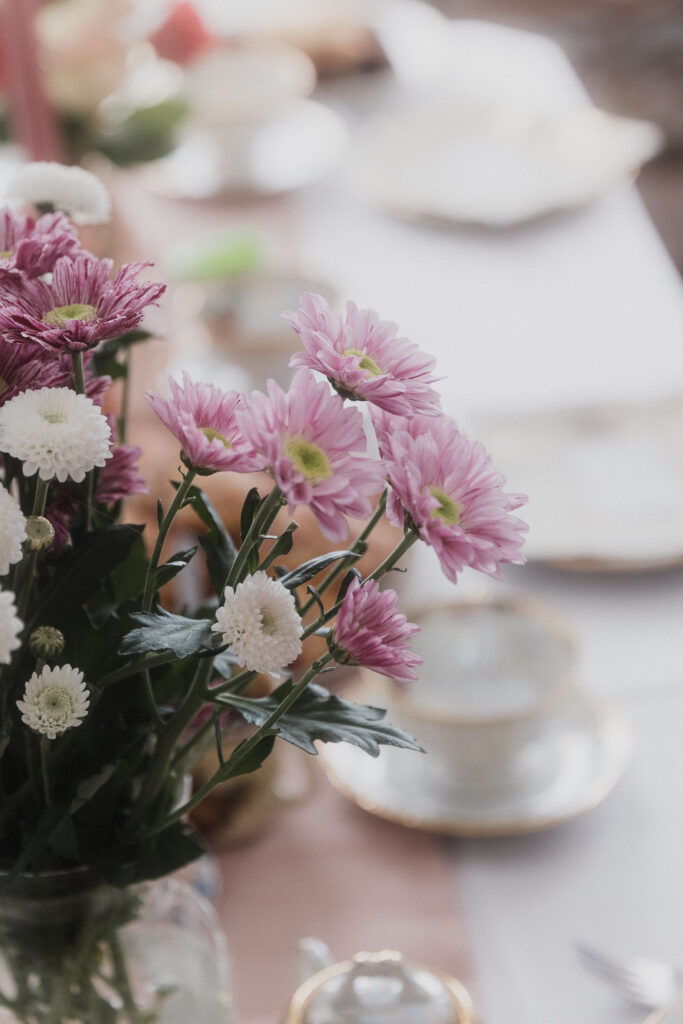
A cottage garden afternoon tea table captures the relaxed beauty of an English country garden. Soft linens, delicate flowers, natural textures, and charming tableware create a setting that feels welcoming and slightly informal. It is an ideal style for spring and summer gatherings, especially when flowers are blooming and the weather is pleasant enough to entertain outdoors.
Choose a floral or lightly patterned tablecloth, or use a simple linen runner over a wooden table. Soft cream, sage green, dusty pink, and pale blue are particularly appropriate colors for this style. Mismatched china or simple white teacups work equally well, allowing the flowers and food to provide most of the decorative interest.
For centerpieces, fill several small jars, pitchers, or bud vases with loose arrangements of garden flowers. Daisies, cosmos, roses, sweet peas, and other seasonal blooms can create a charming cottage-inspired appearance. Rather than arranging one enormous bouquet, scatter smaller arrangements along the center of the table so guests can enjoy the flowers without having their view obstructed.
A simple cake stand filled with homemade scones, finger sandwiches, and fruit tarts completes the setting. Woven baskets, cloth napkins, and small dishes of fresh berries can contribute to the country garden atmosphere. This style is particularly beautiful when it feels natural and unforced, as though the table has been prepared for a spontaneous gathering on a lovely afternoon.
🤍 4. Elegant All-White Afternoon Tea Table
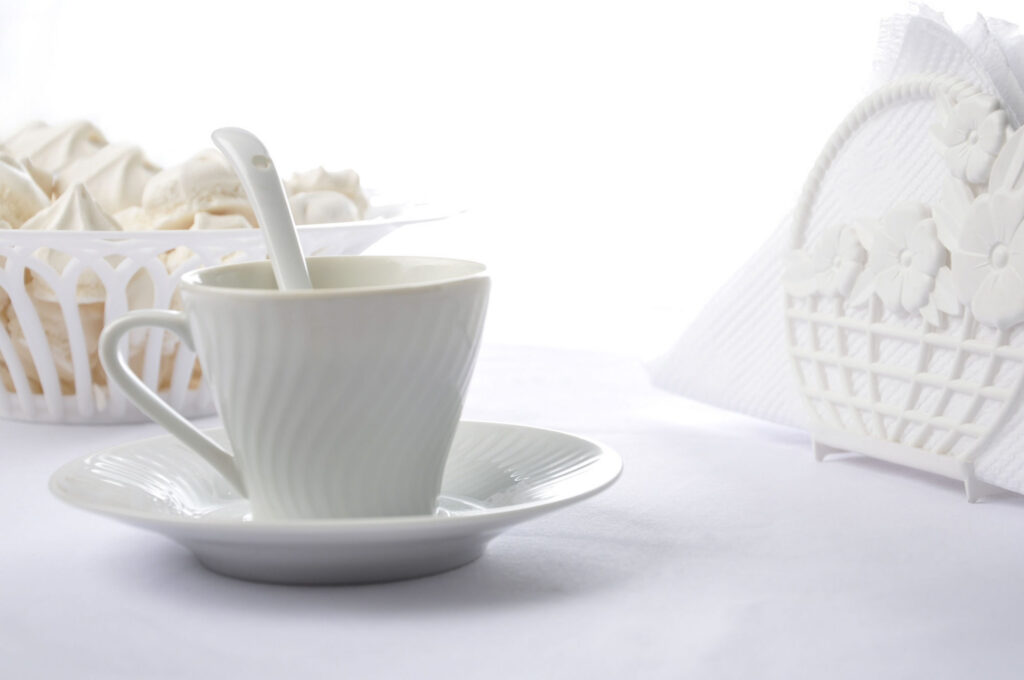
An all-white afternoon tea table creates a sophisticated atmosphere through simplicity. Crisp white linens, delicate porcelain, clear glass, and subtle floral arrangements give the setting a fresh, timeless appearance. This style works particularly well for bridal showers, anniversaries, formal celebrations, and intimate gatherings where you want an elegant but understated design.
Begin with a white tablecloth or runner and choose matching white teacups, saucers, and small plates. Rather than relying on color, introduce visual interest through different textures and finishes. Scalloped porcelain plates, lightly embroidered napkins, clear glass dishes, and a tiered ceramic cake stand can create variety while maintaining the monochromatic theme.
Fresh white flowers provide a beautiful centerpiece. Roses, tulips, hydrangeas, or ranunculus can be arranged in small glass or white ceramic vases. Adding a little greenery prevents the table from appearing too stark, while pale silver or champagne-colored flatware contributes a gentle touch of shine.
The food itself becomes an important part of the decoration. Colorful macarons, fresh strawberries, cucumber sandwiches, and small lemon cakes stand out beautifully against white serving pieces. The result is a refined afternoon tea setting that looks carefully coordinated without requiring elaborate decorations.
💙 5. Blue and White Porcelain Tea Table

Blue and white porcelain creates a timeless afternoon tea setting with a distinctive decorative character. The combination can feel traditional, coastal, or slightly formal depending on the patterns and accessories you choose. It is especially attractive for spring celebrations, garden parties, and gatherings inspired by classic European tableware.
Begin with blue and white teacups, saucers, or dessert plates featuring floral, botanical, or geometric patterns. If you do not have a complete set, combine patterned dishes with plain white pieces. A white tablecloth provides a clean background, while a pale blue linen runner or blue-edged napkins can reinforce the color scheme without overwhelming the table.
For the centerpiece, use a blue and white ceramic vase filled with white flowers or greenery. Hydrangeas are particularly beautiful with this style, although simple white roses or seasonal blossoms work equally well. A matching or complementary teapot can be placed near a silver-colored tiered serving stand, creating a balanced arrangement of patterned and plain pieces.
The beauty of a blue and white tea table lies in its versatility. You can make it more traditional with porcelain patterns and polished silver, or create a relaxed country-inspired appearance with linen napkins and garden flowers. The limited color palette gives the table a cohesive look even when the dishes come from several different collections.
🌸 6. Romantic Blush Pink and Gold Tea Setting

Soft blush pink and warm gold accents create a romantic afternoon tea table that feels particularly appropriate for bridal showers, engagement celebrations, birthdays, and Mother’s Day. The combination is delicate and feminine without needing excessive decoration, especially when balanced with cream or white tableware.
Start with an ivory tablecloth and add blush pink linen napkins or a soft pink runner. White or pale pink teacups with subtle gold detailing can create an elegant place setting, while plain white plates allow the decorative accents to remain the focus. Gold-colored teaspoons, cake forks, or napkin rings add warmth and help tie the individual settings together.
A low arrangement of blush roses, pale pink ranunculus, or peonies can serve as the centerpiece. If you prefer a slightly more elaborate setting, use a gold-toned tiered stand to display pastel macarons, miniature strawberry cakes, and delicate sandwiches. Pink ribbons tied loosely around folded napkins or small place cards can provide another thoughtful detail.
Avoid using too many metallic accessories, since an abundance of gold can make the arrangement feel crowded. A few carefully chosen accents are usually enough to create a sense of occasion. The finished table should feel soft, graceful, and inviting, with the flowers and pastries providing much of its natural beauty.
🇫🇷 7. French Country Afternoon Tea With Toile and Linen
A French country-inspired tea table combines rustic textures with elegant, traditional patterns. Toile fabrics, soft linens, simple ceramics, and fresh flowers create a setting that feels sophisticated without being formal. Although afternoon tea is traditionally associated with Britain, French country design can provide beautiful inspiration for the table’s appearance.
Choose a toile-patterned tablecloth or runner featuring scenes or botanical motifs in blue, red, or another soft color. Balance the pattern with plain white plates and simple teacups so the table does not feel overly busy. Cream-colored linen napkins, clear glassware, and understated silver-colored utensils complement the traditional country aesthetic.
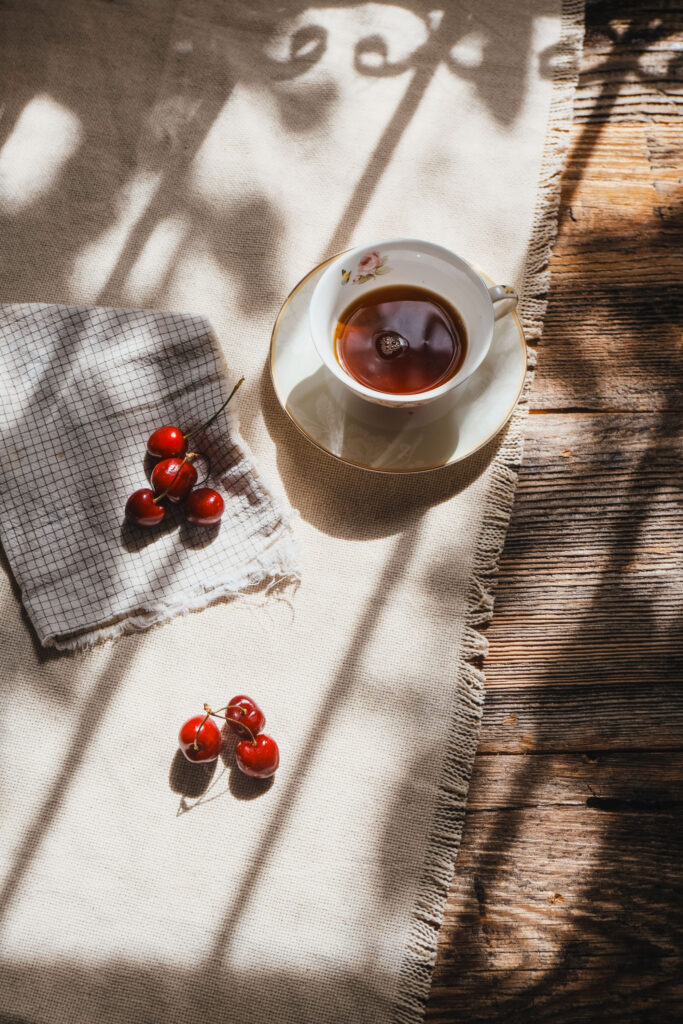
For the centerpiece, use an old-fashioned pitcher or ceramic vase filled with lavender, roses, or seasonal flowers. A wooden serving board or simple white cake stand can display madeleines, fruit tartlets, and small pastries, while a traditional teapot maintains the familiar afternoon tea atmosphere.
The appeal of this style lies in the contrast between decorative fabrics and practical, understated serving pieces. Rather than trying to recreate a formal French dining room, aim for the relaxed elegance of a country home where attractive linens, fresh flowers, and beautiful food are part of everyday hospitality.
🌾 8. Rustic Farmhouse Tea Table With Natural Linens
A rustic farmhouse afternoon tea table emphasizes natural materials, warm neutral colors, and simple, comfortable styling. It is an excellent choice for casual gatherings, autumn tea parties, and afternoons when you want the table to feel welcoming rather than overly formal.
Begin with a wooden table, either left uncovered or dressed with a simple linen runner. Cream, oatmeal, soft brown, and sage green are particularly suitable colors. Stoneware plates and plain ceramic teacups create a slightly more substantial appearance than delicate floral china, while woven placemats or simple cloth napkins add texture.
For centerpieces, use small ceramic pitchers, glass jars, or wooden vessels filled with seasonal greenery and flowers. A wooden board can hold freshly baked scones or savory pastries, while small white bowls contain jam, cream, and other accompaniments. Combining wood with ceramic and linen creates an attractive arrangement without requiring many decorative accessories.
The farmhouse style works especially well when the table includes homemade foods. A rustic cake, warm scones, simple shortbread, and finger sandwiches arranged on plain serving plates contribute to the welcoming atmosphere. Rather than hiding every imperfection, allow the natural textures and handmade elements to give the setting character.
🌿 9. Fresh Botanical Afternoon Tea With Greenery
A botanical afternoon tea table is a beautiful alternative to traditional floral decorations. Instead of relying on colorful bouquets, this style emphasizes foliage, natural green tones, botanical patterns, and simple serving pieces. The result is fresh, calming, and particularly suitable for spring, summer, or indoor gatherings inspired by gardens and greenhouses.
Choose a white or pale cream tablecloth and introduce green through linen napkins, botanical-print plates, or small arrangements of foliage. Ferns, olive branches, rosemary, and other attractive greenery can create a lovely centerpiece when arranged in simple glass or ceramic containers. Use plants that are appropriate for indoor display and keep any potentially toxic or irritating foliage away from food.
For individual place settings, plain white cups and saucers work beautifully with green napkins and silver-colored utensils. A small sprig of rosemary or another safe decorative herb can be tied to each folded napkin, giving the table a subtle natural detail. Botanical place cards or menus can reinforce the theme without requiring additional decorations.
A white tiered stand filled with colorful sandwiches and cakes provides a pleasant contrast to the greenery. The overall effect is light and refreshing, making this style particularly appropriate for a vegetarian afternoon tea, garden-club gathering, or spring celebration.
💜 10. Lavender and Lilac Afternoon Tea Setting
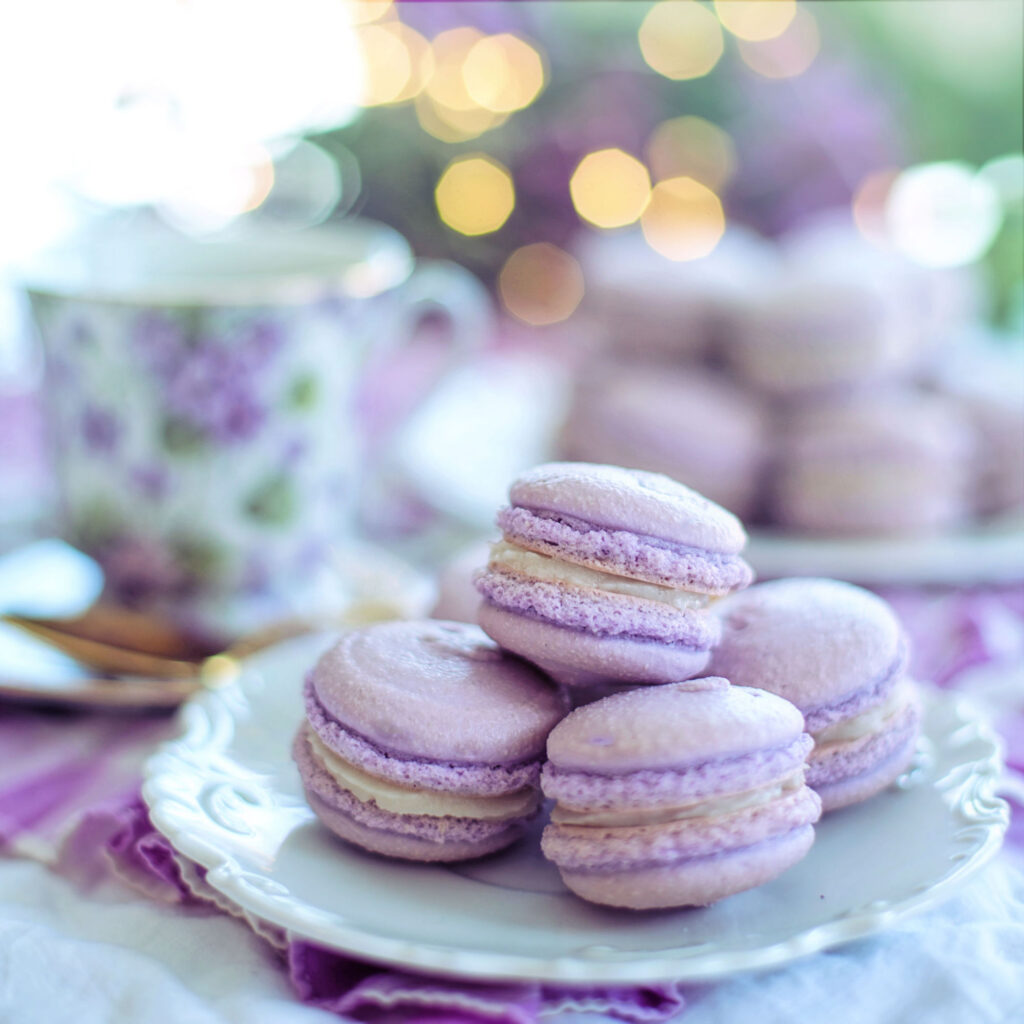
A lavender-inspired afternoon tea table creates a peaceful, romantic atmosphere with soft purple tones and delicate floral details. It is particularly suitable for spring and early summer gatherings, bridal showers, birthdays, and afternoons when you want a gentle color palette that feels a little different from traditional pink.
Begin with a cream or white tablecloth and add lavender-colored linen napkins or a soft lilac runner. White teacups and plates provide a simple foundation, while a few pale purple floral pieces can introduce pattern. Silver-colored serving utensils work particularly well with the cool tones of the palette.
Fresh lavender can make a beautiful decorative accent when available, although its strong fragrance means it is best used sparingly near the tea and food. Small arrangements of lilac-colored flowers, pale roses, or seasonal blooms can create the desired appearance without overwhelming the delicate aroma of the tea. If you plan to decorate desserts with lavender, use only food-grade culinary lavender rather than flowers intended solely for decoration.
Macarons, lemon cakes, shortbread, and small fruit tarts look especially attractive on this table. A pot of Earl Grey or a delicate floral tea complements the setting beautifully, while a low centerpiece and simple place settings keep the atmosphere relaxed.
🌷 11. Cheerful Spring Pastel Afternoon Tea
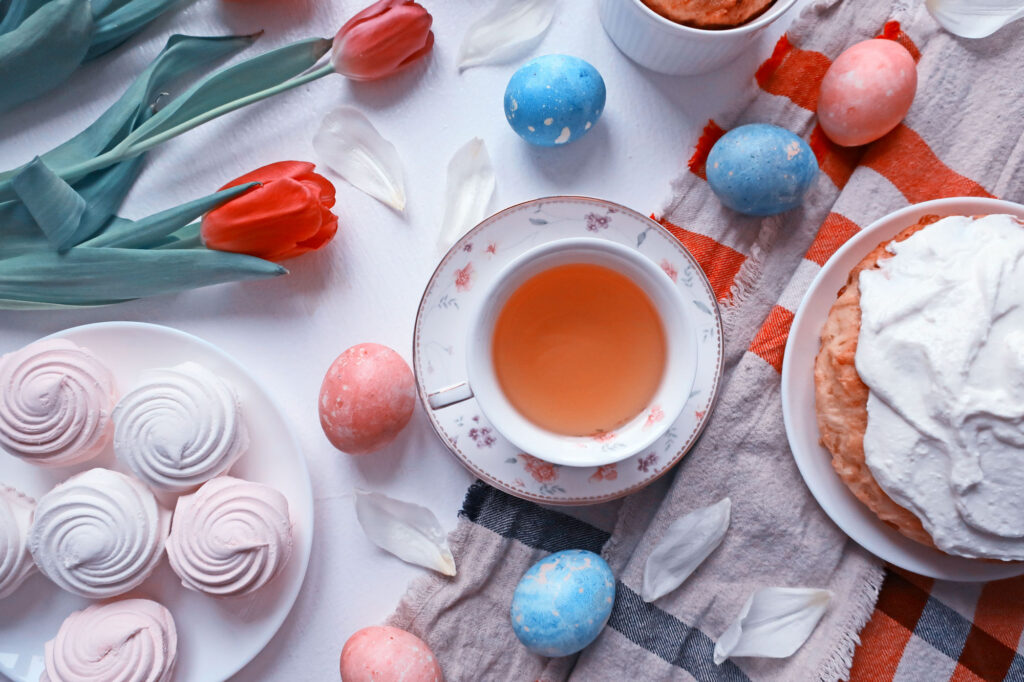
A pastel afternoon tea table is a lovely way to celebrate spring. Soft pink, pale yellow, mint green, lavender, and powder blue create a cheerful atmosphere that feels fresh and inviting. This style works particularly well for Easter gatherings, Mother’s Day, spring birthdays, and afternoon teas inspired by the first flowers of the season.
Begin with a white tablecloth and choose two or three pastel colors to guide the decorations. For example, pale yellow napkins, mint green plates, and pink flowers can create a beautiful spring combination. Alternatively, use plain white dishes and let colorful flowers and desserts provide the pastel accents.
Tulips, daffodils, hyacinths, and other seasonal flowers can make lovely centerpieces. Arrange them in small vases rather than one large bouquet so the table remains open and comfortable for conversation. A few decorative eggs may be appropriate for an Easter theme, while simple ribbon-tied place cards can suit other spring occasions.
The dessert selection can contribute to the color palette. Lemon bars, strawberry cakes, pastel macarons, and small vanilla cupcakes look beautiful when displayed on white stands. A spring table should feel light and cheerful, with enough color to celebrate the season without becoming excessively decorative.
🍋 12. Bright Summer Citrus Tea Table

A citrus-inspired tea table is an especially cheerful choice for summer. Fresh lemons, oranges, pale yellow linens, and bright greenery create a setting that feels refreshing and full of sunshine. This style is particularly suitable for patio gatherings, summer birthdays, and informal garden tea parties.
Start with a white or pale yellow tablecloth and introduce color through lemon-patterned napkins, simple yellow flowers, or small bowls of fresh citrus fruit. White plates and clear glasses help keep the table looking fresh, while a few green accents prevent the yellow from becoming overwhelming.
For a centerpiece, fill a shallow bowl with lemons and small branches of greenery, or arrange fresh flowers in a clear glass vase. A lemon-print runner can also become the main decorative feature, allowing the rest of the tableware to remain simple. If you prefer a more understated look, use only a few lemons arranged around a small floral centerpiece.
A summer citrus tea setting pairs beautifully with lemon cakes, orange-flavored scones, fruit tartlets, and refreshing iced tea. Serve cold beverages in clear glasses with plenty of ice, and provide shaded seating for outdoor guests. The combination of bright colors, fresh fruit, and simple tableware creates a lively atmosphere without requiring elaborate decorations.
🐚 13. Coastal Afternoon Tea With Sea Glass and Pale Blue
A coastal afternoon tea table creates a relaxed, airy atmosphere inspired by the colors and textures of the seaside. Pale blue, white, sandy beige, and soft sea-glass green provide a gentle color palette that works beautifully for summer gatherings, beach-house entertaining, and afternoon teas with an understated nautical theme.
Begin with a white linen tablecloth or natural woven runner. Choose simple white teacups and plates, then introduce coastal colors through pale blue napkins, sea-glass-colored vases, or delicate aqua glassware. Natural textures such as woven placemats and light wood serving boards can create warmth without making the setting feel overly rustic.
For the centerpiece, arrange a few small glass vases with white flowers, coastal greenery, or soft blue blooms. Decorative shells or pieces of sea glass may be placed in separate bowls, but keep them away from food and avoid scattering small objects where they might be accidentally mixed with edible items. A small glass vase with sand-colored stones can also suggest a beach setting without requiring obvious nautical decorations.
The food can reinforce the fresh, coastal atmosphere. Cucumber sandwiches, lemon pastries, fresh berries, and light cakes look particularly attractive against pale blue and white tableware. Iced green tea or a refreshing black tea can complete the menu, creating a beautiful seaside-inspired afternoon tea even when you are entertaining far from the coast.
💎 14. Dramatic Jewel-Tone Afternoon Tea
Afternoon tea tables do not always need to be delicate and pastel-colored. Deep emerald green, sapphire blue, burgundy, plum, and rich gold can create a dramatic setting that feels luxurious and distinctive. This style is particularly appropriate for evening-inspired afternoon teas, milestone birthdays, autumn celebrations, and gatherings held in elegant indoor spaces.
Choose a deep-colored tablecloth or runner as the foundation. Emerald green linen with gold-toned serving pieces creates a particularly rich combination, while burgundy and cream can feel warm and sophisticated. Plain white china provides contrast against darker fabrics, although deep-colored plates can also be beautiful when paired with lighter napkins.
A centerpiece of dark roses, burgundy dahlias, or other richly colored flowers can reinforce the palette. Small brass-colored vases, polished candlesticks, and elegant glassware add a sense of occasion. Keep the centerpieces low enough for conversation and avoid placing so many decorations on the table that the food becomes difficult to reach.
Chocolate pastries, berry tarts, dark fruit cakes, and colorful macarons look especially striking against jewel-toned linens. A silver or gold-colored tiered stand can create contrast and provide a visual centerpiece. This style demonstrates that afternoon tea can feel bold and luxurious without losing the familiar charm of delicate cups, small pastries, and freshly brewed tea.
🎩 15. Whimsical Alice in Wonderland Tea Table

An Alice in Wonderland-inspired afternoon tea offers a wonderful opportunity to create a playful and imaginative table setting. Unlike traditional tea tables, which often emphasize coordination and symmetry, a Wonderland theme celebrates unexpected combinations, unusual decorations, and a slightly theatrical atmosphere.
Begin with mismatched teacups, saucers, and dessert plates in a variety of colors and patterns. Bright pink, pale blue, purple, green, and red can all work, especially when balanced with a white tablecloth or a simple runner. Different styles of teapots and cake stands can be arranged together to create the impression of a wonderfully eccentric tea gathering.
Decorative playing cards, small clocks, whimsical place cards, and miniature signs can help establish the theme. You might also incorporate a few vintage books or illustrations inspired by Lewis Carroll’s famous story. The trick is to create a sense of fun without covering every available surface with decorations.
Colorful cupcakes, macarons, finger sandwiches, and tiny cakes suit the theme beautifully. Different serving heights can make the arrangement feel more imaginative, while small labels inspired by the story add a playful detail. For a complete guide to this style, explore our Alice in Wonderland Tea Party: Ideas, Food, Décor & Games.
📚 16. Literary Afternoon Tea With Vintage Books
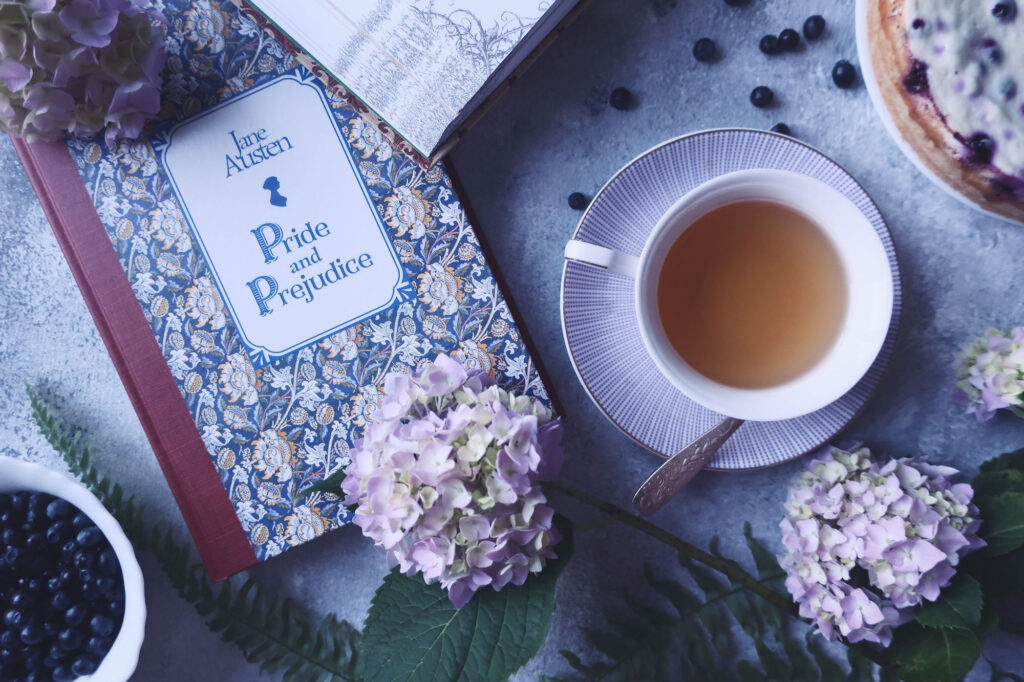
A literary afternoon tea table is a lovely choice for book clubs, birthdays, and gatherings with friends who enjoy reading. Vintage books, old-fashioned china, handwritten place cards, and soft flowers can create an atmosphere inspired by a cozy library or traditional sitting room.
Begin with a simple cream tablecloth or dark wooden table and use floral teacups, small porcelain plates, and classic serving pieces. A stack of attractive books can serve as a decorative feature, although valuable or delicate books should be protected from spills and hot teapots. Small vases of flowers, brass-colored candlesticks, and a traditional teapot complement the literary atmosphere.
One charming idea is to use favorite quotations as place cards or decorative accents. Print short quotations on small pieces of cardstock and place them beside each guest’s setting. If the tea party is inspired by a particular author or book, choose colors and decorative details that evoke its setting without making the arrangement overly literal.
A literary tea table can also incorporate foods associated with the book being discussed. Traditional scones, shortbread, and cucumber sandwiches suit a British literary theme, while another book might inspire a different selection of pastries or teas. The setting works particularly well when it encourages conversation, allowing the books and decorations to provide inspiration rather than distracting from the gathering.
🍂 17. Autumn Harvest Afternoon Tea Table
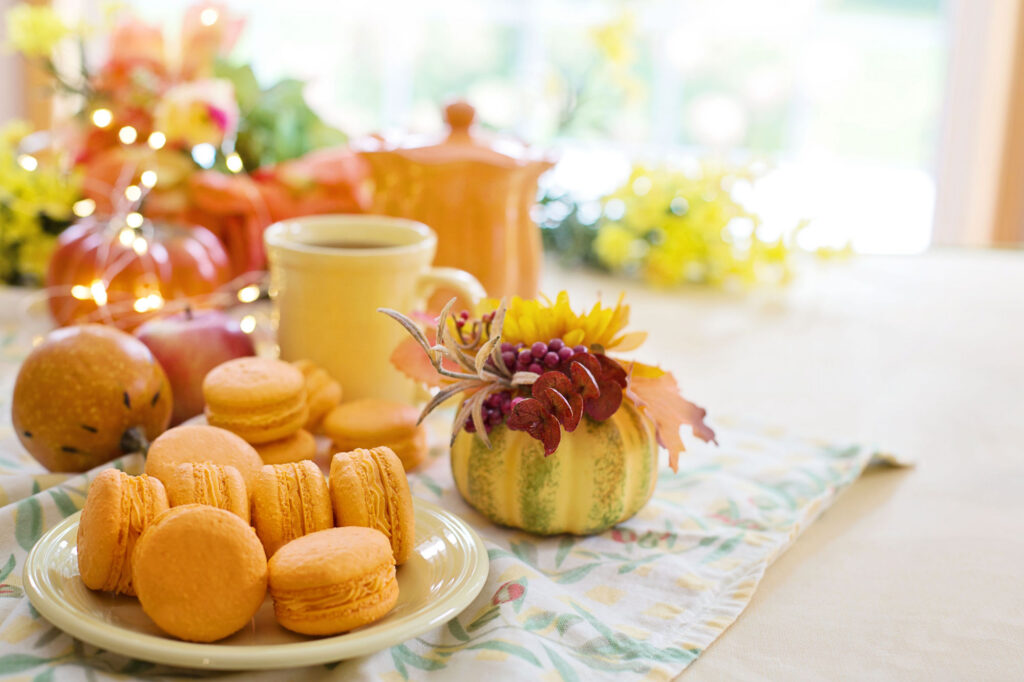
Autumn offers a beautiful natural color palette for afternoon tea. Warm amber, rust, burgundy, cream, and deep green can create a cozy setting that celebrates the season without requiring elaborate decorations. This style is particularly appropriate for September and October gatherings, harvest celebrations, and relaxed weekend tea parties.
Begin with an oatmeal or ivory tablecloth and add a runner in rust, terracotta, or warm brown. White or cream-colored teacups provide a simple foundation, while amber glassware and brass-colored utensils can introduce warmth. Linen napkins in deep green or burnt orange complete the individual settings.
For centerpieces, arrange small pumpkins, miniature gourds, pears, and seasonal foliage along the center of the table. A low floral arrangement featuring chrysanthemums, dahlias, or autumn greenery can provide color without blocking conversation. Natural elements often look most attractive when arranged in small groups rather than spread evenly across every inch of the table.
The food can contribute to the autumn atmosphere. Apple cake, cranberry-orange scones, ginger cookies, and miniature pear tarts look beautiful on cream-colored serving plates. Robust black teas, chai, and rooibos complement the richer seasonal flavors. For additional autumn inspiration, visit our Embrace Autumn’s Charm: Hosting a Magical Fall Tea Party.
🕯️ 18. Cozy Winter Afternoon Tea by Candlelight
A winter afternoon tea table can feel wonderfully warm and inviting, particularly when the weather outside is cold and the gathering takes place in a comfortable indoor setting. Soft linens, warm lighting, simple greenery, and traditional teaware create an atmosphere that encourages guests to linger over their tea.
Choose a neutral tablecloth in cream, oatmeal, or pale gray and add a darker runner for contrast. White china, clear glassware, and silver-colored serving pieces create a calm, elegant foundation. If you prefer a more rustic winter setting, stoneware cups and wooden serving boards can make the arrangement feel especially cozy.
For the centerpiece, use evergreen branches, small white flowers, or a simple arrangement of seasonal greenery. Candles or battery-operated lights can add a soft glow, although open flames should be kept away from greenery, linens, and other combustible decorations. Battery-operated candles are particularly useful when children are present or when the table is already filled with serving pieces.
Warm scones, shortbread, spiced pear cake, and small chocolate desserts suit this atmosphere beautifully. English Breakfast, Assam, Keemun, and vanilla rooibos are all appealing winter tea choices. Soft background music and comfortable seating can complete the setting, making even a small afternoon tea for two feel special.
🎄 19. Festive Christmas Afternoon Tea Table
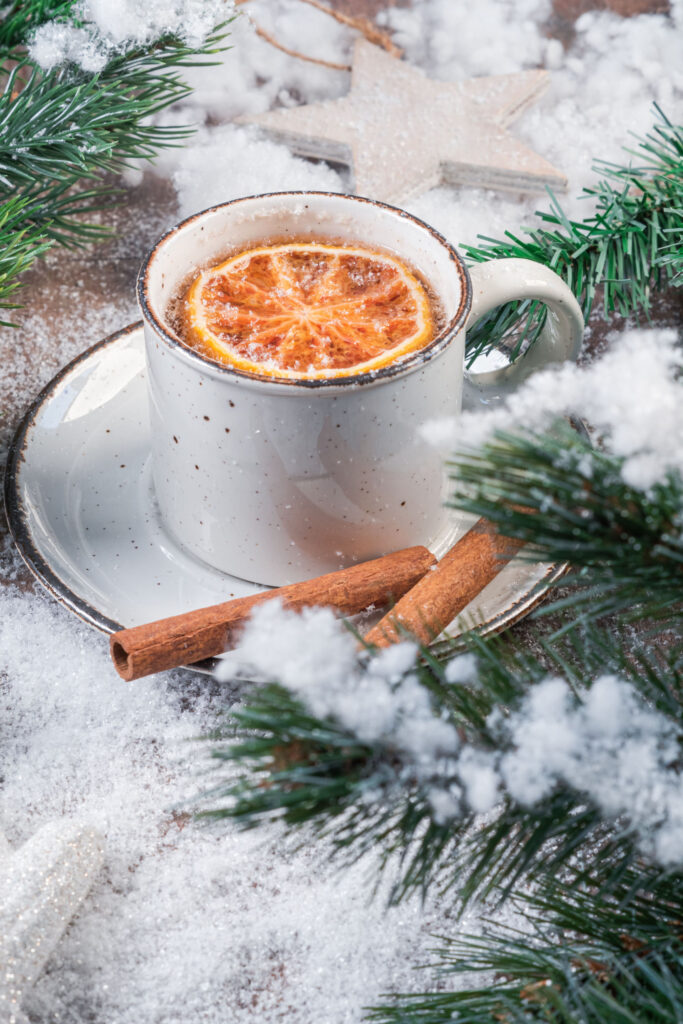
A Christmas afternoon tea table combines traditional tea-time elegance with the warmth and charm of holiday decorations. Whether you prefer classic red and green, winter white and silver, or a more understated evergreen theme, Christmas provides plenty of opportunities to create a festive setting.
For a traditional look, begin with a white tablecloth and introduce red or green through napkins, ribbons, and seasonal serving pieces. Christmas-patterned teacups can be lovely, but plain white china works just as well when paired with festive linens. A red runner or a few small ornaments can create a holiday atmosphere without requiring a complete collection of Christmas dishes.
A low arrangement of evergreen branches, pinecones, and red berries makes an attractive centerpiece. If using real greenery, select materials appropriate for indoor decoration and keep potentially toxic plants and berries away from food and children. Small ornaments or battery-operated candles can be incorporated for a little sparkle.
The food is an important part of the festive appearance. Gingerbread cookies, cranberry-orange scones, shortbread, miniature fruitcakes, and chocolate truffles can create a beautiful assortment of holiday colors and flavors. Spiced black tea, Earl Grey, and peppermint infusions complement the seasonal menu. A Christmas afternoon tea can be as simple as a favorite teapot, a plate of homemade cookies, and a few evergreen branches, or as elaborate as a fully decorated holiday table.
⚪ 20. Modern Minimalist Afternoon Tea Setting
A modern minimalist tea table offers a beautiful alternative to floral china, vintage decorations, and traditional afternoon tea styling. Simple ceramics, clean lines, neutral colors, and carefully arranged serving pieces create an elegant atmosphere that feels contemporary and relaxed.
Begin with a plain white, cream, or pale gray tablecloth, or leave a beautiful wooden table uncovered. Choose simple teacups or ceramic mugs with understated shapes, accompanied by small matching plates and uncomplicated flatware. Neutral linen napkins and clear glasses create a coordinated appearance without relying on decorative patterns.
Instead of a large floral centerpiece, use a single small arrangement of greenery or a few branches in a simple ceramic vase. A low bowl of seasonal fruit can also work beautifully. The key is to allow negative space to become part of the design, leaving plenty of room around the serving pieces rather than filling every available area.
The food presentation can reflect the same simplicity. Arrange sandwiches in neat rows, display scones on a plain ceramic plate, and serve small cakes on a simple pedestal stand. A single teapot or a coordinated pair of teapots can provide the visual focus. The finished arrangement demonstrates that afternoon tea can feel beautiful and special even without traditional floral patterns or elaborate decorations.
🍽️ How to Set an Afternoon Tea Table Step by Step
Once you have chosen your decorating style, arranging the table becomes much easier. Begin with the largest elements, such as the tablecloth, runner, and serving stands, before adding the individual place settings and decorative accessories.
Place a small plate in front of each guest’s chair, leaving enough space for comfortable movement. Position the teacup and saucer slightly above and to the right of the plate, with the cup handle facing right. A teaspoon can rest on the saucer or alongside it, while a dessert fork may be placed to the left of the plate. Folded napkins can sit beside the plate or directly on top of it.
If you are using water glasses, arrange them above and to the right of each place setting. Make sure the cups and glasses are far enough apart that guests can comfortably lift them without disturbing other items.
Next, arrange the serving pieces. A three-tier stand can occupy the center of the table, although it may be more convenient to place it slightly to one side if guests need room to pour tea. Position the teapot, milk jug, sugar bowl, and dishes of cream or preserves where they can be reached easily.
If the table is small, consider placing some of the serving dishes on a nearby side table. This can be particularly useful when offering several tea varieties or large platters of sandwiches and pastries. Keeping the central table relatively uncluttered often creates a more elegant appearance than attempting to display everything at once.
Finally, add the flowers, candles, place cards, or other decorations. Keep the arrangements low and ensure that no decorative items interfere with the serving of food or the pouring of tea. A beautiful table should feel comfortable and practical once everyone is seated.
🌺 How to Choose the Perfect Afternoon Tea Centerpiece
The centerpiece is often the most noticeable decorative element on an afternoon tea table. It helps establish the color palette and can make even a simple arrangement feel thoughtfully designed.
Fresh flowers are among the most versatile choices. Roses, tulips, daisies, ranunculus, and seasonal garden flowers can all create beautiful centerpieces. For traditional afternoon tea, a small arrangement in a porcelain vase or vintage teapot may be particularly appropriate. A modern table might look better with a few simple stems in a clear glass or ceramic vessel.
Height is an important consideration. Tall floral arrangements can make it difficult for guests to see one another, especially at smaller tables. Low bouquets, small bud vases, or several miniature arrangements are generally more practical. If you prefer taller decorative elements, position them away from the central conversation area.
The centerpiece should also complement the serving stand rather than compete with it. A three-tier stand filled with colorful cakes and sandwiches already provides considerable visual interest, so a modest arrangement of flowers may be all the additional decoration you need.
Avoid strongly scented flowers directly beside the tea service, since their fragrance may compete with the aroma of the tea. Choose low-pollen or less fragrant flowers when practical, particularly if guests have sensitivities.
Natural elements such as fresh fruit, greenery, small pumpkins, or seasonal branches can also make attractive centerpieces. The best choice is one that suits the occasion, leaves plenty of room for serving food, and contributes to the overall atmosphere without dominating the table.
🫖 How to Style a Three-Tier Afternoon Tea Stand
A three-tier serving stand is one of the most familiar symbols of traditional afternoon tea. Its stacked plates create height and allow several types of food to be displayed in a relatively small amount of space.
The classic arrangement places savory finger sandwiches on the bottom tier, scones on the middle tier, and cakes or pastries on the top tier. This creates a natural progression from savory foods to sweet treats, although the arrangement can be adapted to suit the menu and the size of the serving stand.
For the lower tier, arrange sandwiches in neat groups according to their fillings. Alternating white, whole wheat, and rye bread can create an attractive pattern, especially when the fillings provide contrasting colors. Avoid stacking delicate cucumber sandwiches too high, since their soft bread may become compressed.
The middle tier can hold plain or fruit scones, while small bowls of jam and cream are placed nearby. The top tier is particularly suitable for colorful macarons, miniature cakes, fruit tartlets, and other decorative sweets. Choose desserts with contrasting colors and shapes rather than filling the plate with several items that look almost identical.
Leave a little space between the foods so guests can remove individual portions comfortably. Additional sandwiches and pastries can remain in the kitchen and be brought out when needed.
If you do not own a three-tier stand, separate cake stands and serving plates can create a beautiful arrangement. A small pedestal stand for desserts, a platter of sandwiches, and a basket of scones can look just as inviting as a traditional tiered display.
🏡 Beautiful Afternoon Tea Tables for Small Spaces
You do not need a large dining room to host a beautiful afternoon tea party. A small kitchen table, breakfast nook, patio table, or comfortable living room can provide a lovely setting for two to four people.
When space is limited, begin by choosing smaller serving pieces. A compact cake stand or a collection of small platters will generally be more practical than an enormous tiered stand. Individual place settings should include only the utensils that will actually be used, leaving enough room for teacups, plates, and food.
A narrow table runner can create a decorative foundation without covering the entire table. One small vase of flowers may be more effective than several arrangements, particularly when guests are seated close together.
Consider using a nearby side table for additional teapots, serving dishes, or extra food. This allows the main table to remain attractive and comfortable without sacrificing the variety of refreshments.
For tea parties involving only two people, a simple arrangement can be especially charming. Two favorite teacups, a small teapot, a plate of sandwiches, a few scones, and a vase of flowers can create a beautiful occasion without requiring elaborate preparation.
The intimacy of a small table can actually become part of its appeal, allowing guests to enjoy conversation and tea in a relaxed setting.
💐 How to Create an Elegant Afternoon Tea Table on a Budget
A beautiful afternoon tea table does not need to cost very much. In fact, many of the most charming settings are created by combining simple everyday pieces with a few decorative details.
Begin with the teacups and plates you already own. If they do not match, choose a common color or style to help bring the arrangement together. White dishes are especially versatile because they complement nearly any tablecloth, flower arrangement, or seasonal theme.
Thrift stores and secondhand shops can be useful places to find inexpensive serving pieces, vintage teacups, and small decorative plates. You do not need a complete tea service when a few attractive pieces can provide the atmosphere you want. Remember to check older dishes for food safety, chips, and cracks before using them to serve food or beverages.
Flowers can be another inexpensive decorating element. A few stems from your garden or an affordable grocery-store bouquet can be divided among small jars or vases. Rather than purchasing a large formal arrangement, use several small containers to create a relaxed, collected appearance.
Simple cloth napkins, ribbons, and handwritten place cards can also make the table feel special. If you already own a white tablecloth, changing only the napkin colors and flowers can create entirely different settings for spring, summer, autumn, and Christmas.
The food itself provides much of the beauty of an afternoon tea table. Neatly arranged finger sandwiches, golden scones, fresh berries, and colorful little cakes can create an attractive centerpiece without requiring many additional decorations.
The goal is to use what you have creatively rather than purchasing a new collection of tableware for every gathering.
🌿 Practical Tips for Outdoor Afternoon Tea Tables
An outdoor afternoon tea can be particularly charming, especially when the garden is blooming or the weather is pleasantly warm. However, arranging a tea table outdoors requires a few practical considerations that may not be necessary for an indoor gathering.
Choose a stable table with comfortable seating and enough shade to keep guests from becoming overheated. Direct sunlight can make teacups, serving dishes, and the tabletop uncomfortably warm, while strong winds may disturb napkins, place cards, and lightweight decorations.
Avoid using extremely tall or unstable centerpieces outdoors. Small weighted vases and low flower arrangements are less likely to tip over in a breeze. Cloth napkins may also be more practical than lightweight paper versions, particularly on a windy day.
Insects are another consideration. Covered serving dishes or food-safe mesh covers can help protect sandwiches, cakes, and other refreshments. Keep perishable foods refrigerated until shortly before serving, especially when the menu includes eggs, cream, cheese, meat, or smoked fish.
According to FoodSafety.gov, perishable foods generally should not remain at room temperature for more than two hours, or more than one hour when the temperature exceeds 90°F (32°C). Serving smaller quantities and replenishing the table from a refrigerator or cooler can help keep food safe during a longer outdoor gathering.
If the weather is unpredictable, prepare an indoor alternative. A garden tea party should feel relaxed rather than dependent on perfect weather, and a beautiful indoor table can be just as enjoyable if rain or strong winds interrupt the plans.
❓ Frequently Asked Questions About Afternoon Tea Table Settings
How Do You Set a Table for Afternoon Tea?
Begin with a small plate for each guest, accompanied by a teacup and saucer, teaspoon, napkin, and dessert fork if needed. Position the teacup slightly above and to the right of the plate, and arrange the serving dishes in the center of the table or on a nearby buffet. Add a teapot, milk jug, sugar bowl, and dishes of jam or cream. Flowers and other decorations can complete the table, but they should not interfere with conversation or serving food.
What Is the Traditional Afternoon Tea Table Setting?
A traditional afternoon tea table commonly includes delicate teacups and saucers, small plates, teaspoons, napkins, a teapot, and serving pieces for sandwiches, scones, and cakes. Fine china, white linens, floral decorations, and a three-tier stand are frequently associated with the classic English afternoon tea appearance. However, traditional service has varied across households and historical periods, so there is no need to reproduce every formal detail.
Do You Need Matching Teacups for Afternoon Tea?
No. Mismatched teacups can create a beautiful and charming afternoon tea table, especially when the pieces share complementary colors or decorative patterns. Vintage floral china, different saucer designs, and collected serving dishes can give the setting a personal and relaxed appearance. A consistent tablecloth or color palette can help bring the different pieces together.
What Is the Best Centerpiece for an Afternoon Tea Table?
Fresh flowers are among the most versatile choices for an afternoon tea centerpiece. Small arrangements of roses, tulips, daisies, or seasonal flowers can create a beautiful setting without requiring elaborate decorations. Low centerpieces are generally preferable because they allow guests to see one another comfortably. Fruit, greenery, candles, and decorative teapots can also serve as centerpieces when appropriate to the theme.
Where Should the Teacup Go in an Afternoon Tea Place Setting?
In a common afternoon tea arrangement, the teacup and saucer are placed slightly above and to the right of the small plate, with the cup handle facing right. The teaspoon can rest on the saucer or alongside it. This arrangement makes the cup easy to reach while leaving enough room for guests to enjoy sandwiches and pastries.
What Goes on Each Tier of an Afternoon Tea Stand?
A traditional arrangement places savory sandwiches on the bottom tier, scones on the middle tier, and small cakes or pastries on the top tier. The layout is practical because it separates different types of food while creating an attractive display. However, it can be adapted according to the menu and serving stand, and separate platters work equally well.
Can You Host Afternoon Tea Without a Tablecloth?
Yes. A beautiful wooden or stone table can provide an attractive foundation for afternoon tea without a tablecloth. Linen placemats, a simple runner, or cloth napkins can introduce decorative texture while allowing the natural table surface to remain visible. This approach works especially well for rustic farmhouse, coastal, and modern minimalist settings.
How Do You Make an Afternoon Tea Table Look Elegant?
An elegant afternoon tea table usually relies on a cohesive color palette, attractive serving pieces, and thoughtful spacing. Begin with clean linens or a beautiful table surface, then choose teacups and plates that complement one another. Add a low floral centerpiece, neatly folded napkins, and carefully arranged food. Avoid overcrowding the table, since a little open space can make the setting look more refined.
What Colors Are Best for an Afternoon Tea Table?
The best colors depend on the occasion and the atmosphere you want to create. Pink, cream, lavender, and pale blue are popular for romantic and spring-inspired tea parties, while white and gold create a classic elegant appearance. Sage green and natural linen suit garden and rustic styles, while burgundy, rust, and warm brown are lovely for autumn. Christmas tea tables may feature red, green, gold, or winter white.
How Do You Decorate an Afternoon Tea Table for a Bridal Shower?
A bridal shower tea table can feature soft pink or cream linens, delicate china, low arrangements of roses or peonies, and gold- or silver-colored serving pieces. Personalized place cards, small floral napkin accents, and an elegant tiered stand can make the setting feel special. Choose a limited color palette and keep the decorations low enough for guests to converse comfortably.
How Can You Make an Afternoon Tea Table Look Beautiful Without Spending Much?
Use dishes you already own, combine mismatched teacups, and choose a simple tablecloth or runner. Add fresh flowers from the garden or an inexpensive bouquet, and arrange sandwiches, scones, and cakes attractively on ordinary serving plates. Small details such as folded napkins, handwritten place cards, and a favorite teapot can create a welcoming atmosphere without requiring expensive accessories.
🌸 Creating a Beautiful Afternoon Tea Table for Any Occasion
A beautifully arranged afternoon tea table is about much more than matching china and decorative accessories. It creates the setting for an enjoyable gathering, inviting guests to sit down, share delicious food, and spend time together over freshly brewed tea.
The possibilities are almost endless. A traditional English tea table with floral porcelain and white linens creates timeless elegance, while mismatched vintage teacups and garden flowers offer a more relaxed, collected appearance. French country fabrics, rustic wood, botanical greenery, and modern ceramics can all provide different interpretations of the afternoon tea tradition.
Seasonal decorations make it easy to create a fresh atmosphere throughout the year. Spring gatherings can feature pastel colors and tulips, while summer tea parties may incorporate citrus fruit, coastal colors, and fresh greenery. Autumn tables look beautiful with warm linens, small pumpkins, and seasonal flowers, while winter and Christmas gatherings can feel particularly cozy with candlelight, evergreens, and traditional holiday decorations.
Special celebrations also offer opportunities for personal details. A bridal shower may call for romantic pink flowers and delicate gold accents, while a birthday gathering might feature colorful china and favorite desserts. A book-club tea party can incorporate vintage books and literary quotations, and an Alice in Wonderland theme provides a playful excuse to combine unusual patterns and whimsical decorations.
Whatever style you choose, the best table settings balance appearance with comfort. Guests should have enough room for their cups and plates, flowers should not interrupt conversation, and serving pieces should remain easy to reach. A beautifully decorated table is most successful when it also works well for the people gathered around it.
Perhaps the most reassuring thing about afternoon tea is that elegance does not depend on expense. A simple collection of teacups, a few homemade treats, fresh flowers, and a carefully arranged table can feel just as special as an elaborate formal tea service.
Ultimately, the most beautiful afternoon tea table is one that reflects your personal style and makes guests feel welcome. Whether you prefer traditional floral china, charming vintage pieces, or a modern minimalist arrangement, the thoughtful details you choose can turn an ordinary afternoon into a memorable occasion filled with warmth, conversation, and the simple pleasure of tea.
🔗 Related Reading
- Tea Parties & Afternoon Tea: Ideas, Menus, Etiquette & Hosting Tips
- English Garden Tea Party: Ideas, Menu, Décor & Hosting Tips
- Tea Party Ideas for Women: Themes, Décor, Food & Activities
- Tea Party Bridal Shower: Ideas, Menu, Décor & Games
- Alice in Wonderland Tea Party: Ideas, Food, Décor & Games
- Embrace Autumn’s Charm: Hosting a Magical Fall Tea Party
- Tea Party Menu Ideas for Adults: Sandwiches, Scones, Sweets & Tea
- Tea Party Recipes: Sandwiches, Scones, Sweets & Drinks
📚 Sources & Further Reading
- Spode — The Ultimate Guide to Hosting Afternoon Tea at Home
- Emily Post Etiquette — The Everyday Afternoon Tea Table
- Burleigh Pottery — Afternoon Tea Etiquette
- Homes & Gardens — How to Host a Traditional Afternoon Tea Party
- FoodSafety.gov — Four Steps to Food Safety