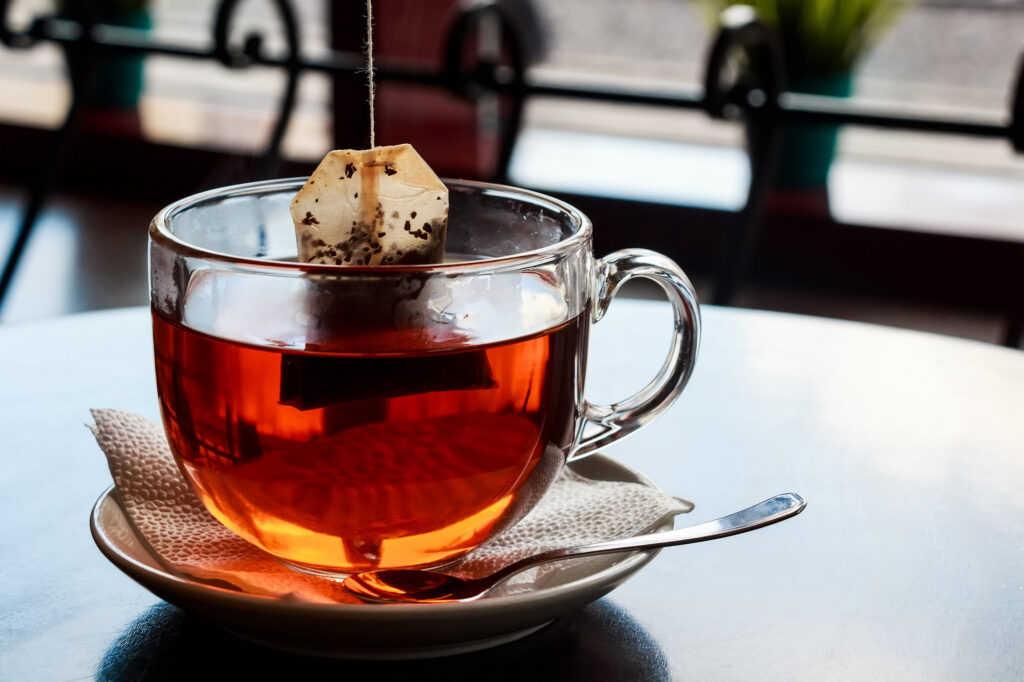
Have you ever read a tea description that promised delicate notes of orchid, ripe peach, toasted chestnut, or wildflower honey and wondered how anyone could taste all those things in a cup of tea?
Perhaps you’ve tried a beautiful loose-leaf tea yourself, only to discover that the best description you could come up with was “strong,” “mild,” or simply “tastes like tea.”
There’s nothing wrong with those descriptions. In fact, learning how to describe tea flavors and aromas begins with recognizing simple differences.
Just as coffee, wine, and chocolate have their own tasting vocabularies, tea offers an extraordinary range of sensory experiences. Some teas are grassy and refreshing, others are rich and malty, and still others have floral, fruity, roasted, or earthy qualities.
The wonderful thing about tea tasting is that you don’t need to be an expert to recognize these characteristics.
With a little practice and a few useful descriptive words, you can begin identifying what makes one tea different from another.
This guide explores the most common tea flavor and aroma descriptions, explains what terms like brisk, astringent, malty, and full-bodied actually mean, and shows you how to write your own tea tasting notes.
🍵 What Are Tea Tasting Notes?
Tea tasting notes are descriptions of the aromas, flavors, textures, and sensations experienced when drinking tea.
They help communicate the character of a particular tea.
For example, one black tea might be described as rich, malty, and slightly sweet, while another could be light, floral, and pleasantly astringent.
An oolong might have aromas reminiscent of orchids and ripe peaches, while a green tea could taste like steamed vegetables and toasted nuts.
These descriptions don’t necessarily mean that the tea contains flowers, fruit, nuts, or other added ingredients.
Instead, they describe sensory impressions.
A tea that reminds you of peach may contain aromatic compounds that produce a peach-like impression, even when the tea is completely unflavored.
Tea tasting notes are particularly useful when comparing different varieties, regions, harvests, and processing styles.
They can also help you discover your personal preferences.
If you consistently enjoy teas described as floral and creamy, for example, you might be drawn to certain lightly oxidized oolongs.
If you prefer malty, robust, and full-bodied flavors, Assam black teas may appeal to you.
The purpose of tasting notes isn’t to make tea drinking complicated. It’s to give you a vocabulary for describing what you already experience.
👃 What’s the Difference Between Tea Flavor and Aroma?
Although we often use the words taste, flavor, and aroma interchangeably, they refer to different aspects of the sensory experience.
Understanding the distinction can make describing tea much easier.
Aroma: What You Smell
Aroma refers to the fragrances detected by your sense of smell.
When you bring a cup of tea toward your nose, you may notice scents reminiscent of flowers, fruit, toasted nuts, fresh grass, or wood.
Tea contains numerous volatile aromatic compounds that contribute to these impressions.
According to research published in Comprehensive Reviews in Food Science and Food Safety, researchers have identified a wide range of aroma-active compounds that contribute to the distinctive fragrances of different teas.
Aroma can be evaluated at several stages, including the dry leaves, wet leaves, freshly brewed tea, and even the empty cup after drinking.
Taste: What Your Taste Receptors Detect
Taste refers primarily to five basic sensory qualities:
- Sweet
- Sour
- Salty
- Bitter
- Umami, or savory
These sensations are detected through taste receptors.
Tea frequently contains some degree of bitterness, while certain green teas have particularly noticeable umami characteristics.
Sweetness may also be perceived, although the honey-like or caramel-like qualities of a tea often involve aroma as well as taste.
Flavor: The Complete Impression
Flavor combines taste, aroma, and other sensations experienced while drinking.
When you take a sip, aromatic compounds travel from the mouth toward the nasal cavity, contributing to what you perceive as flavor.
This process is called retronasal olfaction.
The National Institute on Deafness and Other Communication Disorders explains how smell and taste work together to create our perception of food and beverages.
This is why a tea can seem to taste like apricot, even though apricot isn’t one of the five basic tastes.
Its aroma contributes to the fruity impression.
When describing tea, you don’t need to separate these sensations perfectly. But understanding their differences can help you write more precise tasting notes.
🌸 Floral Tea Aromas: Jasmine, Orchid, Rose, and More
Floral is one of the most common aroma descriptions used for specialty tea.
Some teas have delicate floral qualities, while others are intensely fragrant.
Floral notes are particularly associated with certain oolong, white, and black teas.
Common floral descriptions include:
| Floral note | What it may remind you of |
|---|---|
| Jasmine | Sweet, delicate white flowers |
| Orchid | Soft, elegant floral fragrance |
| Rose | Fresh rose petals or rosewater |
| Honeysuckle | Sweet, nectar-like flowers |
| Osmanthus | Floral sweetness with apricot-like qualities |
| Lily | Fresh, delicate floral aroma |
| Chrysanthemum | Herbal, lightly floral fragrance |
| Wildflowers | A mixture of soft, meadow-like floral aromas |
A lightly oxidized Taiwanese oolong, for example, may produce a beautiful orchid-like fragrance.
Some Darjeeling teas also have floral qualities, especially certain first-flush selections.
White teas can offer delicate aromas reminiscent of flowers, hay, or honey.
It’s important to distinguish naturally floral tea from tea that has been scented with flowers.
Jasmine tea is commonly produced by scenting tea leaves with jasmine blossoms, while many naturally floral oolongs develop their fragrances through the tea cultivar, growing conditions, and processing.
Neither approach is inherently better.
They’re simply different ways that tea can develop floral character.
🍑 Fruity Tea Flavors: Citrus, Berries, and Stone Fruit
Fruity tasting notes are another fascinating part of tea.
Some teas have bright, fresh fruit aromas, while others remind you of dried fruit, jam, or cooked fruit.
Fruity characteristics are especially common in descriptions of certain black teas, oolongs, and aged teas.
Citrus Notes
Citrus descriptions include lemon, orange, grapefruit, mandarin, and bergamot.
A tea described as citrusy may feel bright and refreshing.
Some Ceylon black teas, for example, have lively characteristics that tasters describe as citrus-like.
Of course, Earl Grey is another familiar example of a citrus-flavored tea, although its bergamot fragrance comes from an added flavoring rather than necessarily occurring naturally in the tea leaves.
Stone Fruit Notes
Peach, apricot, plum, and nectarine are common stone-fruit descriptors.
Certain oolong teas are particularly well known for fruity aromas.
A traditionally processed Oriental Beauty oolong may offer honeyed, fruity characteristics, while roasted oolongs sometimes develop impressions reminiscent of baked or dried fruit.
Berry Notes
Some teas have aromas that suggest berries, including raspberry, blackberry, strawberry, or blackcurrant.
These impressions can be subtle.
A tea might not taste directly like berry juice, but it may have a bright, fruity quality that reminds you of berries.
Dried Fruit Notes
Raisin, date, fig, prune, and dried apricot are useful descriptors for richer teas.
Some black teas and aged teas develop deep, concentrated fruit-like characteristics.
When tasting, ask yourself whether the fruit impression seems fresh and juicy or darker and more like dried fruit.
That distinction can make your descriptions much more specific.
🌱 Vegetal and Grassy Tea Flavors
Vegetal notes are especially common in green tea.
These aromas and flavors remind tasters of fresh vegetables, herbs, grass, and leafy plants.
Some people initially interpret vegetal tea as tasting unusual or overly grassy.
However, these characteristics are often an important part of the tea’s natural flavor profile.
Common vegetal descriptions include:
- Fresh-cut grass
- Steamed spinach
- Green beans
- Asparagus
- Seaweed
- Sweet peas
- Fresh herbs
- Leafy greens
- Vegetable broth
Japanese sencha is a wonderful example of a tea that can display vegetal characteristics.
Depending on the tea and brewing method, you may notice notes of grass, steamed greens, seaweed, or savory broth.
Chinese green teas can also have vegetal qualities, although many have more noticeable nutty, toasted, or sweet characteristics because of their processing methods.
What’s the Difference Between Grassy and Vegetal?
Grassy generally suggests the smell of fresh-cut grass, green stems, or meadow plants.
Vegetal is a broader description that may suggest cooked or raw vegetables.
A tea that reminds you of steamed spinach would usually be described as vegetal.
One that evokes freshly cut lawn grass would be described as grassy.
These impressions can overlap, and there is no need to force a strict distinction if both terms seem appropriate.
🌰 Nutty and Toasted Tea Flavors
Nutty flavors are common in certain green teas, roasted oolongs, and other styles that undergo heat processing.
These characteristics can range from delicate sweetness to deep roasted richness.
Common descriptions include chestnut, almond, hazelnut, walnut, toasted grain, and roasted seeds.
Chinese Longjing, also known as Dragon Well, is especially associated with gentle toasted and chestnut-like notes.
Its leaves are traditionally pan-fired, which contributes to its distinctive aroma and flavor.
Roasted oolongs can also offer nutty characteristics, particularly when the roasting process adds warm, toasted complexity.
A lightly roasted tea might remind you of almonds or cereal, while a darker roast may suggest hazelnuts, toasted bread, or cocoa.
Toasted vs. Roasted
Although these terms are similar, they can communicate slightly different intensities.
Toasted often suggests a lighter, gentler heating character, such as warm bread, cereal, or lightly browned nuts.
Roasted may suggest a deeper, more developed aroma, similar to dark roasted nuts or cocoa.
These distinctions are descriptive rather than rigid categories.
Use whichever word most closely matches your impression.
🍯 Sweet Tea Notes: Honey, Caramel, and Malt
Tea can have sweet aromatic characteristics even when no sugar or honey has been added.
This is one reason tea descriptions frequently include words such as honeyed, caramel-like, or syrupy.
These impressions may result from aromatic compounds, perceived sweetness, and the overall balance of the brewed tea.
Common sweet descriptions include:
| Sweet note | Typical impression |
|---|---|
| Honey | Floral, nectar-like sweetness |
| Caramel | Warm, cooked-sugar aroma |
| Toffee | Rich, buttery caramel-like character |
| Brown sugar | Deep, molasses-like sweetness |
| Malt | Sweet grain, malted cereal, or bread |
| Vanilla | Soft, creamy, aromatic sweetness |
| Sugarcane | Light, fresh sweetness |
| Maple | Deep, syrup-like sweetness |
What Does Malty Mean in Tea?
Malty is one of the most recognizable terms used to describe certain black teas.
It refers to a rich, grain-like flavor that may remind you of malted cereal, freshly baked bread, or malt extract.
Assam black tea is particularly associated with maltiness.
Some Assam teas have a bold, substantial character that makes them especially appealing as breakfast teas.
Maltiness isn’t the same as sweetness, although the two qualities can occur together.
A malty tea may taste rich and robust without being particularly sweet.
What Does Honeyed Mean?
Honeyed describes an aroma or flavor that resembles honey.
It may include floral sweetness, warm aromatic richness, or nectar-like qualities.
A honeyed tea does not necessarily contain honey or enough natural sugar to make it taste like a sweetened drink.
Certain black teas and oolongs are known for these honey-like impressions.
🔥 Roasted, Smoky, and Woody Tea Aromas
Some teas have deeper aromas associated with roasting, wood, smoke, or warm spices.
These characteristics can be especially noticeable in darker oolongs, certain black teas, and some aged teas.
Roasted Notes
Roasted flavors might remind you of toasted bread, coffee, cocoa, roasted nuts, or caramelized foods.
A heavily roasted oolong can develop a particularly rich aroma.
However, roasting shouldn’t automatically be confused with bitterness.
A carefully roasted tea may taste smooth and sweet while still having pronounced roasted characteristics.
Smoky Notes
Smoky teas may remind you of wood smoke, a campfire, or smoked foods.
Lapsang Souchong is perhaps the most familiar example, although not every tea sold under that name is strongly smoky.
Some traditional versions are smoke-dried, while others are produced without pronounced smoke flavor.
Smokiness should be distinguished from a burnt or charred defect.
A pleasant smoky aroma can be an intentional characteristic of the tea.
Woody Notes
Woody descriptions include cedar, sandalwood, dry wood, and forest-like aromas.
These impressions may appear in certain aged teas, roasted oolongs, and darker black teas.
Woody does not necessarily mean that a tea tastes like raw wood.
Instead, it suggests aromatic qualities reminiscent of timber, bark, or a warm wooden interior.
🌍 Earthy and Mineral Tea Flavors
Earthy and mineral are two tea tasting terms that beginners sometimes find confusing.
They are often used for teas whose flavors don’t fit neatly into floral, fruity, or sweet categories.
What Does Earthy Mean?
Earthy describes aromas reminiscent of soil, damp leaves, forest floors, or other natural environments.
Ripe pu-erh, also called shou pu-erh, is often associated with earthy characteristics.
Depending on its quality, processing, and storage, it may have aromas reminiscent of damp wood, forest leaves, or rich soil.
Earthy does not automatically mean musty or spoiled.
A clean, pleasant earthy character can be a desirable feature.
However, strong moldy, rotten, or otherwise abnormal odors may indicate poor storage or contamination.
What Does Mineral Mean?
Mineral is a more abstract tea tasting term.
It may suggest impressions that tasters compare with wet stones, slate, chalk, or a clean, stony character.
Certain Wuyi rock oolongs are frequently described using mineral terminology.
However, mineral notes are sensory comparisons, not proof that you are literally tasting dissolved rock from the tea’s growing environment.
Because the term is subjective, it’s useful to pair it with another descriptor.
For example, you might describe a tea as “roasted and mineral, with a clean finish” rather than relying on the word mineral alone.
🍃 Common Tea Tasting Words and What They Mean
Some of the most useful tea terms don’t describe recognizable foods or flowers.
Instead, they describe the strength, balance, texture, or overall impression of the tea.
| Tasting term | Meaning |
|---|---|
| Brisk | Lively, refreshing character, often with noticeable astringency |
| Bold | Strong, pronounced flavor |
| Delicate | Subtle, gentle aroma and flavor |
| Full-bodied | Substantial or rich sensation in the mouth |
| Light-bodied | Thin, airy, or less substantial mouthfeel |
| Smooth | Little roughness or harshness |
| Creamy | Soft, rounded, cream-like texture |
| Silky | Very smooth, fine texture |
| Astringent | Drying or puckering sensation |
| Bitter | One of the basic tastes, sometimes sharp or lingering |
| Mellow | Gentle, rounded, without harsh edges |
| Bright | Fresh, lively, vivid flavor |
| Flat | Lacking freshness, intensity, or liveliness |
| Balanced | Different qualities work together without one dominating |
| Complex | Multiple distinguishable flavors or aromas |
| Clean | Clear, distinct character without distracting off-notes |
| Lingering | Flavor or aroma remains after swallowing |
| Short finish | Flavor fades relatively quickly |
| Long finish | Pleasant flavor or sensations persist |
| Rounded | Harmonious, soft, integrated overall impression |
These terms can help you describe a tea even when you can’t identify specific fruit or floral notes.
For example, “smooth, full-bodied, and malty” communicates a great deal about a black tea.
Likewise, “light, grassy, and slightly astringent” gives someone a useful impression of a green tea.
👅 Bitterness vs. Astringency: What’s the Difference?
Bitterness and astringency are two of the most important sensations to recognize when tasting tea.
They are often confused because both can become more noticeable when tea is brewed too strongly.
However, they are not the same thing.
Bitterness is a taste. Astringency is a physical sensation.
Bitterness is detected by taste receptors and may remind you of bitter greens, dark chocolate, or grapefruit pith.
Astringency creates a drying, puckering, or slightly rough sensation in the mouth.
You may recognize a similar feeling from strong red wine or an underripe persimmon.
In tea, astringency is associated with interactions between polyphenols and proteins in saliva.
Scientific research published in Trends in Food Science & Technology discusses how compounds in tea contribute differently to bitterness, astringency, sweetness, and umami.
Is Astringency Bad in Tea?
Not necessarily.
A moderate amount of astringency can contribute to the lively, refreshing character of certain black teas.
This is part of what tea tasters sometimes mean by briskness.
However, excessive astringency may make tea feel harsh or unpleasantly drying.
The ideal level depends on the style of tea and your personal preferences.
If a tea seems excessively bitter or astringent, try adjusting the brewing temperature, steeping time, or amount of leaf before deciding you dislike it.
🫖 How to Describe Tea Mouthfeel
Mouthfeel refers to how tea feels as you drink it.
Two teas with similar aromas may feel completely different in the mouth.
One might seem light and watery, while another feels full, smooth, and almost creamy.
The most useful mouthfeel descriptions include light-bodied, medium-bodied, full-bodied, silky, creamy, velvety, thin, brisk, and drying.
What Does Full-Bodied Mean?
A full-bodied tea feels substantial in the mouth.
It may have a rich, rounded texture and a strong overall presence.
Many robust black teas are described as full-bodied, although some oolongs can also have a rich mouthfeel.
Body isn’t simply a measure of color or how much tea you used.
A dark-looking tea can be relatively light-bodied, while a pale tea can have an unexpectedly rich texture.
What Does Creamy Mean?
Creamy describes a soft, smooth sensation that resembles the texture or impression of cream.
A tea can be described as creamy without containing milk.
Certain lightly oxidized oolongs may have a naturally creamy mouthfeel or a fragrance that reminds tasters of dairy.
What Does Brisk Mean?
Brisk is especially common in black tea descriptions.
It refers to a lively, refreshing character that may include noticeable astringency.
A brisk tea often feels energetic or crisp rather than soft and mellow.
The term doesn’t necessarily mean bitter.
A tea can be brisk, balanced, and enjoyable without tasting harsh.
🌬️ How to Describe a Tea’s Finish and Aftertaste
A tea’s finish refers to the flavors and sensations that remain after swallowing.
This is one of the easiest aspects of tea tasting to overlook.
Once you’ve taken a sip, pause for a few seconds before drinking again.
Notice what remains.
Does the tea leave a pleasant sweetness? A lingering floral aroma? A roasted flavor? A drying sensation?
Some teas have a short, clean finish.
Others continue developing subtle aromas after you’ve swallowed.
A long finish is often valued in specialty tea, but length alone doesn’t determine quality.
A lingering unpleasant bitterness, for example, isn’t necessarily desirable.
What Is Returning Sweetness?
In Chinese tea tasting, the term hui gan is commonly used to describe a returning sensation of sweetness after an initial taste that may include bitterness or astringency.
You might experience this with certain green teas, oolongs, or pu-erh teas.
The sweetness seems to emerge or become more noticeable after swallowing.
This can be a particularly interesting feature to explore when tasting higher-quality teas.
You don’t need to identify it immediately.
Simply notice whether your mouth feels sweeter, drier, or more aromatic a few moments after drinking.
🍂 How Tea Flavor Descriptions Change by Tea Type
Although each individual tea is different, certain flavor characteristics are commonly associated with particular processing styles.
The following table provides a useful starting point.
| Tea type | Common flavor and aroma descriptions |
|---|---|
| White tea | Floral, honeyed, hay-like, delicate, fruity |
| Chinese green tea | Nutty, chestnut-like, vegetal, sweet, toasted |
| Japanese green tea | Grassy, vegetal, marine, savory, umami |
| Light oolong | Floral, creamy, fresh, fruity |
| Roasted oolong | Toasted, nutty, woody, caramel-like, mineral |
| Assam black tea | Malty, bold, rich, full-bodied |
| Darjeeling black tea | Floral, fruity, brisk, muscatel |
| Ceylon black tea | Bright, brisk, citrusy, lively |
| Keemun black tea | Cocoa-like, fruity, wine-like, gently smoky |
| Raw pu-erh | Vegetal, herbal, fruity, bitter, sometimes floral |
| Ripe pu-erh | Earthy, woody, mellow, rich |
| Jasmine green tea | Floral, sweet, fragrant, refreshing |
These are broad examples rather than fixed descriptions.
A lightly roasted oolong may taste very different from a heavily roasted one.
A first-flush Darjeeling can differ significantly from a second-flush tea.
Even two teas grown in the same region may have different aromas because of cultivar, harvest conditions, and processing.
As you gain experience, you’ll begin noticing differences within tea categories rather than relying only on their general characteristics.
📝 How to Write Your Own Tea Tasting Notes
You don’t need to be a professional tea taster to create useful descriptions.
The easiest approach is to follow the same sequence every time.
Step 1: Look at the Dry Leaves
Before brewing, examine the tea.
Notice the color, shape, and size of the leaves.
Are they tightly rolled, twisted, flat, or fluffy?
Then smell them.
The dry leaves may have floral, fruity, roasted, or grassy aromas that become more noticeable after brewing.
Step 2: Smell the Wet Leaves
After brewing, smell the infused leaves.
The International Specialty Tea Association explains that tea aroma can differ between dry leaves, wet leaves, the infusion, and even the empty cup.
Wet leaves can reveal surprisingly detailed aromas.
A roasted oolong may smell distinctly nutty or toasted, while a floral oolong might release a stronger flower-like fragrance.
Step 3: Smell the Brewed Tea
Bring the cup near your nose once it is no longer producing uncomfortably hot steam.
Take a gentle sniff.
Begin with broad categories.
Does it smell floral, fruity, vegetal, sweet, roasted, or earthy?
Then become more specific if a familiar scent comes to mind.
You might begin with “fruity” and then realize it reminds you of dried apricot.
Or you may describe a tea as “toasted” before identifying a chestnut-like aroma.
Step 4: Taste the Tea
Take a small sip and consider the basic qualities.
Is it sweet, bitter, savory, or slightly sour?
What food or aroma does it remind you of?
Avoid drinking the tea while it’s hot enough to burn your mouth.
Taste again as it cools, since temperature can change how aromas and flavors are perceived.
Step 5: Describe the Mouthfeel
Ask whether the tea feels light, smooth, creamy, full-bodied, or astringent.
You may discover that mouthfeel is easier to identify than specific flavors.
For example, you might not recognize any distinct fruit notes, but you can tell that one tea feels silkier than another.
Step 6: Notice the Finish
After swallowing, wait a moment.
Does a floral or fruity impression remain?
Is there a returning sweetness?
Does the tea leave a clean, refreshing sensation or a pronounced dryness?
These details help complete the description.
Step 7: Write a Short Summary
Bring your observations together in one or two natural sentences.
For example:
“A smooth, medium-bodied black tea with honeyed aromas, gentle maltiness, and a pleasantly brisk finish.”
Or:
“A fresh green tea with grassy and steamed-vegetable notes, light sweetness, and a clean aftertaste.”
That’s a useful tasting note.
You don’t need elaborate language to describe tea well.
✍️ Examples of Good Tea Tasting Descriptions
If you’re unsure how to combine tasting terms into natural descriptions, these examples can help.
They represent illustrative tasting notes, not guaranteed characteristics of every tea in each category.
Assam Black Tea
“A bold, full-bodied black tea with rich maltiness, warm bread-like aromas, and a brisk, slightly drying finish.”
Darjeeling Black Tea
“A delicate, aromatic black tea with floral notes, fresh fruit character, and a bright, lingering finish.”
Japanese Sencha
“A refreshing green tea with grassy aromas, steamed-vegetable flavors, gentle umami, and a clean finish.”
Chinese Longjing
“A smooth green tea with toasted chestnut aromas, mild vegetal notes, and a soft, sweet aftertaste.”
Light Taiwanese Oolong
“A fragrant oolong with orchid-like floral aromas, a silky mouthfeel, gentle sweetness, and a long floral finish.”
Roasted Oolong
“A rich, layered oolong with toasted nuts, warm caramel-like aromas, and lingering roasted sweetness.”
White Peony Tea
“A delicate white tea with soft floral aromas, hints of hay and honey, and a light, refreshing body.”
Ripe Pu-erh
“A mellow, earthy tea with woody aromas, a rounded mouthfeel, and a smooth, lingering finish.”
Notice that each description includes only a few sensory qualities.
You don’t need to identify a dozen flavors to communicate a tea’s character.
A clear, accurate description is more useful than an elaborate one filled with notes you can’t genuinely recognize.
🎨 How to Use a Tea Flavor Wheel
A tea flavor wheel is a visual guide that organizes tasting descriptions into categories.
It can be especially helpful when you recognize a general aroma but can’t find the right word.
For example, you might know that a tea smells fruity without being able to identify the fruit.
A flavor wheel encourages you to begin with a broad category and gradually narrow your description.
<text value=””/>The process might look like this:
Fruity → Stone Fruit → Peach
Or:
Roasted → Nutty → Hazelnut
Or:
Floral → White Flowers → Jasmine
You can use a flavor wheel as a vocabulary reference rather than a test.
There’s no requirement to find a descriptor in every category.
Some teas have only a few distinct characteristics, while others develop several layers of aroma and flavor.
Flavor wheels are especially useful when tasting multiple teas side by side.
They can help you use consistent language and remember what made each tea distinctive.
However, your own sensory impressions should always come first.
🧠 How to Improve Your Tea Tasting Vocabulary
Developing your tea vocabulary doesn’t require drinking dozens of expensive teas.
Much of the learning happens through paying attention to familiar foods and aromas.
When you smell fresh citrus peel, notice what makes it different from a floral fragrance.
When you eat toasted almonds, pay attention to the aroma.
Notice the difference between fresh peaches and dried apricots.
Think about the distinctive smell of freshly baked bread, honey, wood, and herbs.
These experiences create sensory references that you can recognize again in tea.
Compare Two Teas Side by Side
One of the most useful exercises is to prepare two contrasting teas.
For example, brew an Assam black tea and a Darjeeling.
Taste them alternately.
You may find that the Assam seems richer and maltier, while the Darjeeling feels lighter and more floral.
These differences can be easier to recognize through direct comparison than by drinking the teas several days apart.
Taste the Same Tea at Different Temperatures
Allow a cup of tea to cool gradually.
Taste it when comfortably warm, then again several minutes later.
You may discover that a subtle sweetness becomes more noticeable or that certain aromas seem different.
Temperature can influence both the release of aromatic compounds and how we perceive them.
Try Multiple Infusions
Many loose-leaf teas can be brewed more than once.
Oolong, white tea, and pu-erh are particularly interesting choices.
A tea that initially tastes floral may become fruitier, sweeter, or more mineral in later infusions.
Record the differences without assuming every infusion should taste the same.
Keep a Simple Tea Journal
Writing down a few observations can help you remember what you enjoy.
You might record the tea’s name, origin, brewing method, aroma, flavor, mouthfeel, and overall impression.
You don’t need a complicated scoring system.
Three or four sentences are often enough.
Over time, you’ll begin developing a personal vocabulary based on the flavors you recognize most easily.
🚫 Common Mistakes When Describing Tea
Tea tasting should be enjoyable, but a few common habits can make the experience unnecessarily confusing.
Trying to Sound Too Sophisticated
There’s no need to describe every cup as having layers of rare flowers, exotic fruit, and complex mineral characteristics.
If a tea tastes fresh, nutty, and slightly sweet, say so.
Simple, accurate language is much more useful than elaborate descriptions that don’t match your experience.
Assuming Tasting Notes Must Be Literal
A tea described as chocolatey doesn’t necessarily contain chocolate.
A honeyed tea doesn’t necessarily contain honey.
These are comparisons used to communicate aroma and flavor impressions.
Always distinguish naturally occurring tasting notes from actual added flavorings or ingredients.
Confusing Aroma with Taste
Floral and fruity impressions often depend heavily on your sense of smell.
Bitterness, sweetness, sourness, saltiness, and umami are basic tastes.
You don’t need to separate them perfectly in casual descriptions, but understanding the difference helps improve accuracy.
Confusing Astringency with Bitterness
Astringency is a drying sensation, while bitterness is a taste.
A tea can be strongly astringent without being especially bitter.
Recognizing this distinction can make your descriptions much clearer.
Ignoring Brewing Conditions
The same tea may taste very different when brewed with hotter water, more leaves, or a longer steep.
If you’re comparing teas, record the basic brewing conditions.
When comparing similar teas systematically, keep those conditions consistent.
If a tea tastes unpleasantly bitter, experiment with brewing adjustments before concluding that its natural flavor is harsh.
Assuming Everyone Tastes the Same Thing
Taste and aroma perception vary between individuals.
Personal experience, sensory sensitivity, and familiarity with particular foods all influence how people describe flavor.
One person might describe a tea as peach-like, while another notices a broader floral sweetness.
Neither description is automatically incorrect.
The goal is to communicate your experience as clearly as possible.
❓ Frequently Asked Questions About Tea Flavors and Aromas
How Do You Describe the Taste of Tea?
Begin with its overall strength and character.
Is it light or bold, smooth or astringent, sweet or bitter?
Then identify one or two recognizable flavor families, such as floral, fruity, vegetal, nutty, roasted, or earthy.
Finish by describing the mouthfeel or aftertaste.
For example, “A smooth green tea with toasted nut notes and a lightly sweet finish.”
What Are the Most Common Tea Flavor Descriptions?
Common tea descriptors include floral, fruity, grassy, vegetal, malty, nutty, roasted, sweet, earthy, woody, smoky, savory, and mineral.
Terms such as smooth, brisk, creamy, full-bodied, and astringent describe texture or overall character.
What Does Floral Mean in Tea?
Floral describes aromas or flavors that remind you of flowers.
Examples include jasmine, rose, orchid, honeysuckle, and osmanthus.
These characteristics may occur naturally in the tea or result from intentional scenting or flavoring.
What Does Malty Tea Taste Like?
Malty tea has a rich, grain-like character reminiscent of malted cereal, bread, or malt extract.
Assam black tea is particularly well known for this quality.
What Does Brisk Mean in Tea Tasting?
Brisk describes a lively, refreshing tea with noticeable structure, often including some astringency.
The term is commonly used for black teas.
Briskness doesn’t necessarily mean unpleasant bitterness.
What Does Astringent Tea Mean?
Astringent tea creates a drying or puckering sensation in the mouth.
This feeling is associated with interactions between tea polyphenols and proteins in saliva.
Astringency is different from bitterness, although the two may occur together.
What Does Full-Bodied Tea Mean?
Full-bodied tea has a substantial, rich, or rounded sensation in the mouth.
It may feel more substantial than a delicate, light-bodied tea.
Body refers to texture and overall presence rather than simply the darkness of the brewed tea.
What Does Mineral Mean in Tea?
Mineral is a subjective description used for sensations reminiscent of stones, slate, chalk, or a clean, stony character.
It is sometimes associated with Wuyi rock oolongs.
The term doesn’t necessarily mean that the tea literally tastes of minerals from the soil.
Why Does Tea Sometimes Taste Like Fruit or Flowers?
Tea contains aromatic compounds that can produce sensory impressions resembling fruit, flowers, herbs, and other familiar substances.
These compounds develop through the plant’s natural chemistry, growing environment, and processing.
A naturally fruity or floral tea does not necessarily contain added ingredients.
Why Do Two People Describe the Same Tea Differently?
People vary in their sensitivity to different aromas and tastes.
Their previous experiences with foods, flowers, spices, and other scents also influence the words they choose.
Tea tasting descriptions are therefore partly subjective.
How Can I Get Better at Identifying Tea Flavors?
Taste different teas regularly, compare contrasting styles side by side, and take simple notes.
Pay attention to familiar foods and aromas outside of tea drinking.
A flavor wheel can also help you expand your vocabulary.
Do I Need to Use Professional Tea Tasting Terms?
No.
Words such as fresh, sweet, grassy, smooth, strong, and nutty are perfectly useful.
More specialized terms become helpful as you gain experience, but they aren’t required to appreciate good tea.
🌸 Finding Your Own Tea Tasting Vocabulary
Learning how to describe tea flavors and aromas opens up a wonderful new dimension of tea drinking.
A cup that once seemed simply strong or mild may begin to reveal floral aromas, gentle sweetness, roasted warmth, or a delicate fruity finish.
You may discover that one black tea reminds you of malted bread while another offers notes of dried fruit and honey.
A green tea might be grassy and refreshing, while an oolong could feel silky and smell like fresh flowers.
The more teas you explore, the easier these distinctions become to recognize.
But the most important lesson is that tea tasting doesn’t require perfect descriptions.
You don’t need to identify every aroma, memorize hundreds of tasting terms, or agree with every note printed on a package.
Start with what you genuinely notice.
Describe the aroma, take a sip, consider the texture, and pay attention to what remains afterward.
Then try another tea and compare.
Over time, your vocabulary will grow naturally, along with your appreciation for the extraordinary variety of flavors found in tea.
And the next time someone asks what your favorite tea tastes like, you may find that you have much more to say than simply, “It’s delicious.”
🔗 Related Reading
Explore more guides to tea tasting, brewing, and flavor profiles from SereniTea Room:
- Tea Cupping Guide: How to Taste, Evaluate & Compare Tea
- How to Brew Tea: Water Temperature, Steeping Times & Brewing Methods
- Tea Brewing & Ratios
- What Does Black Tea Taste Like? Flavor Profiles by Type
- Oolong Tea Guide: Types, Flavor, Caffeine, Brewing & Benefits
- Why Does Green Tea Taste Bitter? Common Causes and How to Make It Smoother
- How to Store Tea Properly
📚 Sources & Further Reading
- International Specialty Tea Association — Standards for Specialty Tea: Aroma
- International Specialty Tea Association — Standards for Specialty Tea: Taste
- National Institute on Deafness and Other Communication Disorders — Taste Disorders
- National Library of Medicine — Flavor of Tea: A Review on Odorants and Analytical Techniques
- National Library of Medicine — A Lexicon for Descriptive Sensory Evaluation of Blended Tea
- Trends in Food Science & Technology — Association Between Chemistry and Taste of Tea