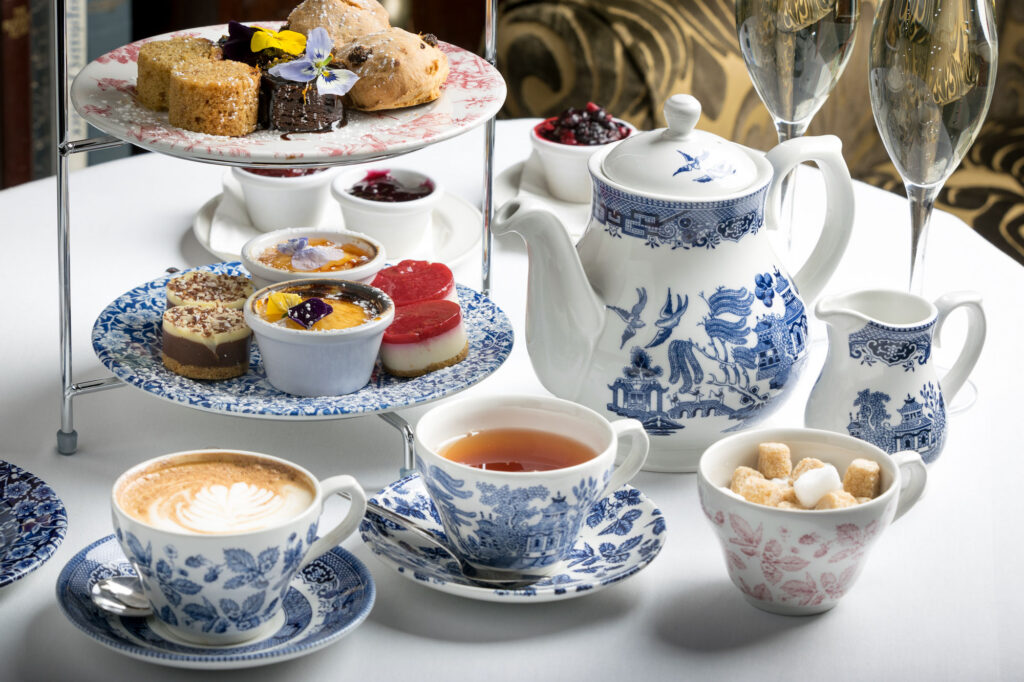
There is something wonderfully charming about an afternoon tea party. A beautifully arranged table, a pot of freshly brewed tea, delicate finger sandwiches, warm scones, and a selection of little cakes can turn an ordinary afternoon into a memorable occasion. Whether you are gathering a few friends, celebrating a birthday, hosting a bridal shower, or simply looking for an excuse to enjoy tea and conversation, an afternoon tea party offers a lovely way to slow down and spend time together.
One of the best things about hosting afternoon tea at home is that it can be as simple or elaborate as you like. You might arrange vintage teacups and fresh flowers around a dining table, set up a garden tea party beneath a shady tree, or create a relaxed afternoon gathering with mismatched china and homemade treats. The beauty of afternoon tea lies in the atmosphere rather than expensive decorations or complicated preparations.
A traditional afternoon tea usually includes three main food components: savory finger sandwiches, scones with cream and preserves, and an assortment of small cakes or pastries. These are accompanied by freshly brewed tea, often with milk, sugar, honey, or lemon available for guests who enjoy adding something to their cups.
However, modern afternoon tea parties are wonderfully flexible. You can adapt the menu to the season, choose your favorite teas, incorporate family recipes, and create a setting that reflects your personal style.
The secret to planning a successful afternoon tea party at home is thoughtful preparation. With a manageable menu, a few beautiful serving pieces, and a simple hosting timeline, you can create an elegant gathering without spending the entire afternoon in the kitchen.
This guide covers everything you need to plan an afternoon tea party, from selecting the perfect teas and preparing delicious food to setting the table and organizing your preparations.
🫖 What Is a Traditional Afternoon Tea Party?
Afternoon tea is a British social tradition centered around enjoying tea with a light selection of savory and sweet foods. The custom became particularly fashionable during the nineteenth century, when afternoon gatherings offered an opportunity for conversation and refreshments between lunch and a relatively late evening meal.
Anna Russell, the seventh Duchess of Bedford, is often credited with helping popularize the Victorian tradition of afternoon tea during the 1840s. According to the familiar account, she began requesting tea and light refreshments in the late afternoon to satisfy her hunger before dinner. Eventually, she invited friends to join her, and the custom became associated with fashionable social gatherings. However, the practice of enjoying food with tea existed well before the duchess’s time, as historians at Historic England have documented.
Modern afternoon tea has retained many of its traditional characteristics. A typical service features small sandwiches, freshly baked scones, preserves, cream, and an assortment of cakes or pastries. The food is often arranged on a three-tier stand, with savory items on the bottom, scones in the middle, and desserts on top.
Although afternoon tea is sometimes confused with high tea, the two traditions originally referred to different types of meals. Afternoon tea was a lighter occasion centered around refreshments and conversation, while high tea generally referred to a more substantial early evening meal.
For a home gathering, you do not need to reproduce every detail of a formal British tea service. Understanding the basic traditions simply provides a useful starting point for creating an occasion that feels special.
🌸 1. Choose the Date, Time, and Guest List
The first step in planning an afternoon tea party is deciding when to host it and how many people to invite. A small gathering of four to six guests is often ideal for a first tea party because it allows everyone to sit comfortably together while keeping the food and tea preparation manageable. Larger parties can be equally enjoyable, but they generally require more serving space and a little additional planning.
Afternoon tea is traditionally served during the middle to late afternoon, often between 3:00 and 5:00 p.m. Scheduling your gathering around 3:00 or 3:30 gives guests time to enjoy tea, sample the food, and relax without feeling rushed. A gathering lasting approximately ninety minutes to two hours is usually comfortable, although there is no reason to end the conversation if everyone is enjoying themselves.
When choosing your guest list, consider the available seating and how you would like the afternoon to feel. A small dining table can create an intimate atmosphere, while a larger garden table may be better suited to a birthday celebration or family gathering. Make sure everyone has a comfortable place to sit and enough room for their teacup, plate, and food.
It is also helpful to ask guests about dietary restrictions and tea preferences before finalizing the menu. Knowing whether someone needs gluten-free foods, avoids dairy, or prefers caffeine-free drinks will make it much easier to offer a selection that everyone can enjoy.
Invitations can be as simple as a friendly message or as decorative as a printed card. For a casual gathering, inviting guests a week or two in advance is usually reasonable, while a larger celebration may benefit from additional notice.
🎀 2. Decide on a Tea Party Theme or Style
Choosing a general style for your afternoon tea party can make the remaining decisions much easier. You do not necessarily need an elaborate theme, but a consistent atmosphere helps bring the table settings, flowers, menu, and decorations together.
A traditional English afternoon tea might feature floral china, white linens, fresh roses, silver teaspoons, and classic recipes such as cucumber sandwiches and plain scones. This style is timeless and works beautifully for birthdays, Mother’s Day gatherings, and special occasions.
For something more relaxed, consider a cottage garden tea party with mismatched teacups, wildflowers, linen napkins, and simple homemade cakes. A vintage-inspired gathering might include antique serving plates, lace tablecloths, floral arrangements, and a collection of old-fashioned teapots. These details can create a charming atmosphere without requiring everything to match.
Seasonal themes are another lovely option. Spring tea parties can feature tulips, pastel colors, lemon desserts, and delicate green teas. Summer gatherings are perfect for garden settings, fresh berries, iced tea, and floral decorations. Autumn afternoon tea might include warm colors, spiced cakes, apple pastries, and comforting black teas, while a winter gathering can feel cozy with candlelight, evergreen decorations, shortbread, and fragrant seasonal blends.
You can also plan an afternoon tea around a particular celebration, such as a bridal shower, birthday, baby shower, or book-club meeting. The theme should influence the atmosphere without making the preparation unnecessarily complicated.
A simple color palette, a few flowers, and attractive serving pieces are often enough to create a cohesive and inviting tea table.
🫖 3. Choose the Best Teas to Serve
Tea is the centerpiece of an afternoon tea party, so selecting a few varieties that complement the food is one of the most enjoyable parts of planning.
Traditional British afternoon tea often features black tea, which pairs particularly well with sandwiches, scones, cakes, and other baked goods. English Breakfast, Earl Grey, Assam, Ceylon, and Darjeeling are all excellent choices, although their flavors and strengths vary considerably.
English Breakfast tea is especially versatile because its full-bodied flavor works with both savory and sweet foods. It is a dependable choice for guests who enjoy adding milk or sugar to their tea. Assam offers a similarly robust character, often with distinctive malty notes, making it particularly good with rich pastries, buttery scones, and substantial sandwich fillings.
Earl Grey tea is another beautiful option for afternoon tea. Its distinctive bergamot aroma gives it a fragrant citrus character that pairs naturally with lemon cake, shortbread, cucumber sandwiches, and delicate pastries. Darjeeling is often lighter and more aromatic, with floral or fruity qualities that can complement less strongly flavored foods.
If you would like to offer something beyond black tea, consider jasmine green tea, a delicate white tea, or a light oolong. These can provide a refreshing contrast to the richer foods on the table. Jasmine green tea is particularly lovely with cucumber sandwiches, fresh fruit, and lightly sweetened cakes.
It is thoughtful to include at least one caffeine-free option. Rooibos has a naturally smooth, slightly sweet flavor that pairs well with cookies and baked goods, while peppermint, chamomile, and fruit-based herbal infusions can provide alternatives for guests who prefer to avoid caffeine.
For most home tea parties, two or three tea choices are plenty. One traditional black tea, one lighter or more aromatic tea, and one caffeine-free infusion provide variety without requiring you to prepare numerous separate teapots.
If you are interested in matching the tea more closely to your menu, our What Tea Goes With Cake? guide explores how different teas complement a variety of desserts.
🥒 4. Plan the Savory Finger Sandwiches

Finger sandwiches are one of the most recognizable elements of a traditional afternoon tea. Their small size makes them easy to enjoy alongside tea, and offering several fillings creates a pleasant variety of flavors without making the meal too heavy.
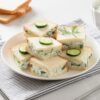
Cucumber sandwiches are perhaps the most famous choice. Thinly sliced cucumber layered with a light spread of butter or cream cheese creates a refreshing sandwich that pairs beautifully with black tea or jasmine green tea. Fresh dill, chives, or a little lemon zest can add flavor without overwhelming the delicate cucumber.
Egg salad is another traditional favorite. A filling made with finely chopped hard-boiled eggs, mayonnaise, a little mustard, and fresh chives works well on soft white or whole-wheat bread. For a slightly more substantial option, chicken salad with finely chopped celery and herbs can be delicious. Smoked salmon with cream cheese, dill, and lemon is especially suitable for a more formal gathering.
Vegetarian fillings offer plenty of possibilities beyond cucumber. Watercress with butter, herbed cream cheese with radishes, or cheddar with a mild chutney can add variety to the platter. Choosing different fillings and breads helps make the sandwiches visually appealing as well as flavorful.
Tea sandwiches are traditionally prepared with soft bread, with the crusts removed before cutting the sandwiches into narrow fingers, small triangles, or bite-sized squares. Keeping the fillings relatively thin helps the sandwiches hold their shape and makes them easier to eat neatly.
For a gathering of six people, approximately 24 to 30 small sandwich fingers is a reasonable starting point if you are also serving scones and desserts. You can adjust the quantity depending on whether the tea party is intended to replace lunch or serve as a lighter afternoon refreshment.
The easiest approach is to choose two or three sandwich fillings rather than attempting to prepare an enormous assortment. A platter containing cucumber and herb cream cheese, egg salad, and smoked salmon or chicken salad offers a balanced selection.
Sandwich fillings can often be prepared in advance, but the sandwiches themselves are usually best assembled relatively close to serving time. Keep perishable fillings and completed sandwiches refrigerated until they are needed, and cover the bread carefully to prevent it from drying out.
For more ideas, visit our 15 Easy Finger Sandwiches for Afternoon Tea.
🍓 5. Serve Scones With Jam and Cream
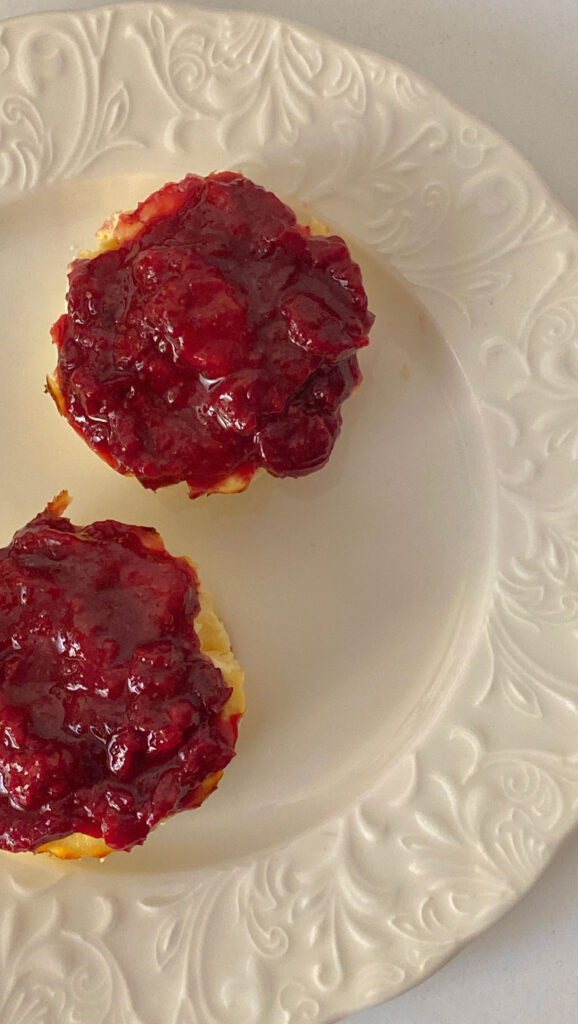
For many people, scones are the highlight of afternoon tea. A warm, tender scone served with strawberry jam and clotted cream is one of the most beloved combinations associated with the British tea tradition.
Plain scones are an excellent choice because their mild flavor allows guests to enjoy a variety of toppings. They also pair beautifully with most black teas, including English Breakfast, Assam, and Earl Grey. Fruit scones containing currants, raisins, or berries are another traditional option, while lemon or orange zest can add a delicate citrus flavor.
If you enjoy baking, homemade scones can be a wonderful addition to your tea party. However, there is no need to make everything from scratch. Good-quality bakery scones can be warmed shortly before serving and presented with attractive bowls of jam and cream.
Clotted cream is the traditional accompaniment for British cream tea, but it may not be readily available in every grocery store. If you cannot find it, lightly whipped cream or another suitable cream topping can provide a delicious alternative, although the flavor and texture will be different.
Strawberry and raspberry jam are classic choices, but lemon curd, blackberry preserves, and orange marmalade can also be excellent. Offering two toppings gives guests the opportunity to try different combinations without cluttering the table with too many options.
There is a longstanding regional debate in Britain about whether jam or cream should be spread onto a scone first. In Cornwall, jam is traditionally followed by cream, while the Devon tradition generally places cream beneath the jam. For a relaxed afternoon tea party at home, the simplest solution is to serve both in separate dishes and let everyone decide.
Plan on approximately one medium-sized scone per guest, with a few extras if your guests are especially fond of them. If you are serving smaller scones, two per person may be appropriate.
Scones are particularly enjoyable when served slightly warm. If you prepare them earlier in the day or purchase them from a bakery, warm them gently shortly before the tea party begins.
🧁 6. Choose Two or Three Tea-Time Desserts
Small cakes, cookies, and pastries complete the traditional afternoon tea menu. The key is to offer enough variety to make the table feel special without preparing more food than your guests can comfortably enjoy.
A selection of two or three desserts is usually sufficient for a small gathering. For example, you might serve lemon cake cut into small squares, buttery shortbread cookies, and miniature fruit tarts. These choices provide different flavors and textures while remaining easy to prepare and arrange.
Traditional British desserts are particularly suitable for afternoon tea. Victoria sponge cake, Battenberg cake, madeleines, shortbread, and small fruit cakes all work beautifully. Lemon drizzle cake is another excellent option because its bright citrus flavor pairs naturally with Earl Grey and Darjeeling teas.
Miniature desserts can make the table especially attractive. Small cupcakes, macarons, petit fours, and individual pastries allow guests to sample several sweets without committing to a large slice of cake. You can also cut a full-sized cake into smaller portions, which often looks just as elegant and requires less preparation.
Consider the balance of flavors when selecting desserts. If one dessert is rich and chocolatey, another might feature fruit or citrus. If you are serving a sweet jam-filled scone, a lightly sweetened cookie or simple sponge cake may be more appealing than several heavily frosted desserts.
Many tea-time desserts can be prepared the day before your gathering. Shortbread, loaf cakes, madeleines, and other baked goods often store well when kept properly covered. Fresh fruit garnishes, whipped cream, and delicate decorations can be added closer to serving time.
For six guests, approximately 12 to 18 small dessert portions is a practical starting point, assuming everyone will also enjoy sandwiches and scones. Offering two or three small sweets per person creates a generous selection without requiring an enormous dessert display.
For additional inspiration, explore our Tea Cake Recipes, which include several bakes suitable for an afternoon tea table.
🎂 7. Arrange the Food on a Three-Tier Tea Stand
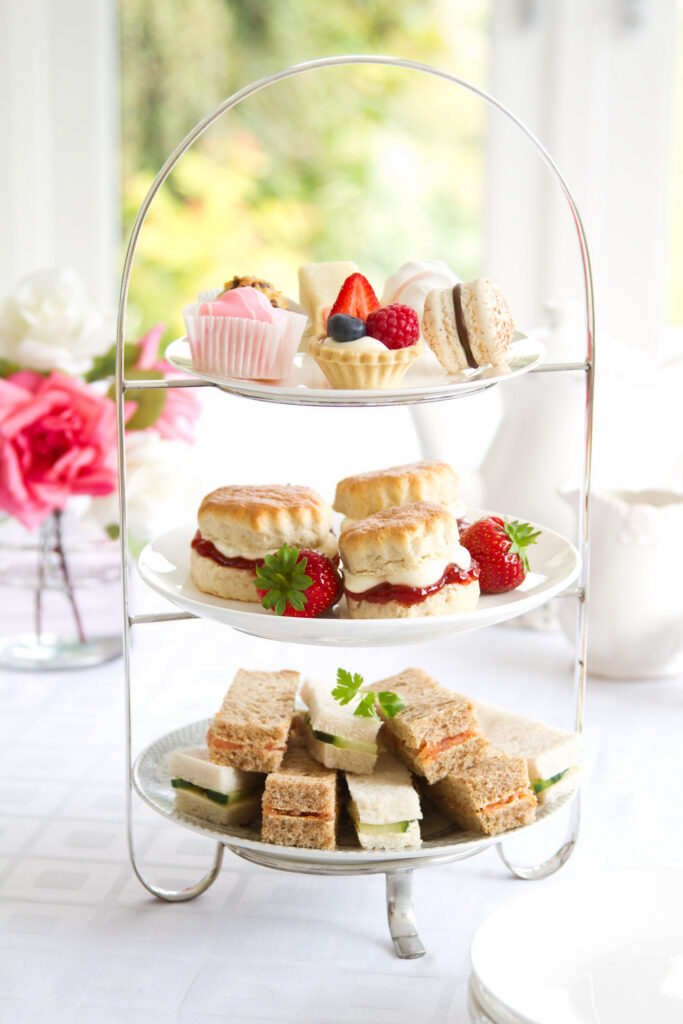
A three-tier serving stand is one of the most recognizable symbols of afternoon tea. Its arrangement allows several different foods to be displayed attractively while keeping the table relatively uncluttered.
The traditional presentation places savory sandwiches on the bottom tier, scones on the middle tier, and cakes or pastries on the top tier. This arrangement reflects the customary progression from savory foods to scones and finally to sweets.
When setting up the stand, arrange each type of food in small groups so guests can easily identify their choices. Sandwiches can be placed in alternating rows or arranged around the edge of the bottom tier, while scones may be grouped together on the middle level. Small cakes and colorful pastries look especially attractive on the top tier, where their decorations are easy to see.
You do not need to overcrowd the stand. Leaving a little space between the food makes the presentation more elegant and allows guests to remove items without disturbing everything else. Additional portions can remain covered in the kitchen and be brought out when needed.
If you do not own a tiered stand, a collection of attractive plates, cake stands, and serving platters works just as well. A large plate of sandwiches, a basket of warm scones, and a separate cake stand can create an equally beautiful presentation.
The purpose of the display is to make the food inviting and easy to serve, not to follow rigid rules. Use the serving pieces you already own and arrange them in a way that suits your table.
🌷 8. Set a Beautiful Afternoon Tea Table
A thoughtfully arranged table can transform a simple gathering into an occasion that feels memorable. Fortunately, you do not need matching china, expensive silverware, or a formal dining room to create an attractive tea setting.
Begin with a clean tablecloth, table runner, or placemats that complement the style of your gathering. White linens create a classic appearance, while floral fabrics, soft pastels, or natural linen work beautifully for a cottage-inspired tea party.
Place a small plate, teacup, saucer, teaspoon, and napkin at each seat. If you are serving cakes that require utensils, add a small dessert fork. A water glass is also useful, particularly if guests will be enjoying several cups of tea.
Vintage or mismatched teacups can create a charming atmosphere, especially when their colors or patterns complement one another. If you prefer a simpler style, plain white cups and plates provide a timeless backdrop for colorful cakes, sandwiches, and flowers.
Fresh flowers are one of the easiest ways to decorate an afternoon tea table. Small arrangements of roses, tulips, daisies, or seasonal flowers can make the setting feel cheerful and welcoming. Choose low arrangements that allow guests to see one another comfortably across the table.
A beautiful teapot can also serve as a decorative centerpiece. Position it where guests can reach it conveniently, or place it near the host’s seat if you plan to pour the tea yourself.
Remember to leave sufficient room for the food and serving pieces. A table crowded with decorations can make it difficult for guests to reach their teacups or enjoy the food. A few carefully chosen details are usually more effective than an elaborate display.
☕ 9. Learn How to Brew and Serve Tea for Guests
Brewing tea properly is an important part of creating an enjoyable afternoon tea experience. Even a beautifully arranged table can feel disappointing if the tea is weak, bitter, or served at the wrong temperature.
For loose-leaf black tea, a useful starting point is approximately one teaspoon of tea per eight ounces of water, although the appropriate quantity varies according to the size and style of the leaves. Many black teas brew well with water between 200°F and 212°F, with steeping times of approximately three to five minutes. Always check the recommendations provided for the particular tea you are serving.
Green teas generally benefit from cooler water and shorter steeping times because excessively hot water can produce unpleasant bitterness in some varieties. Delicate green teas may brew well around 160°F to 180°F, while other varieties require different temperatures. Herbal infusions also vary, with many requiring hotter water or longer steeping times than delicate green teas.
If you are using a teapot, warming it beforehand can help maintain the brewing temperature. Simply swirl a little hot water inside the pot, discard the water, and then prepare the tea.
Once the tea has reached the desired strength, remove the leaves or tea bags to prevent continued extraction. Leaving tea steeping indefinitely can make it excessively strong or astringent, particularly when serving black or green tea.
For a small gathering, you might begin with a pot of English Breakfast or Earl Grey and prepare another variety as guests request it. A separate teapot or infuser makes it easier to offer more than one selection without mixing flavors.
Place milk, sugar, honey, and lemon wedges on the table so guests can customize their cups. It is generally best to offer additions separately rather than preparing everyone’s tea the same way. Some guests may enjoy milk in their black tea, while others prefer drinking it plain.
Plan for approximately two or three small cups of tea per guest during a leisurely gathering, with extra hot water available if needed. The actual amount will depend on the size of your teacups, the length of the party, and your guests’ preferences. Offering drinking water alongside the tea is also a thoughtful touch.
The goal is to serve tea that tastes fresh and enjoyable without requiring constant attention. Preparing a new pot when needed is generally preferable to allowing brewed tea to sit for an extended period.
🍰 10. Create a Simple Afternoon Tea Menu
One of the easiest ways to plan a successful afternoon tea party is to choose a menu that feels complete without becoming overwhelming. You do not need five different sandwiches, several types of scones, and a dozen desserts to create a beautiful occasion.
For a gathering of six guests, consider serving three varieties of finger sandwiches: cucumber with herb cream cheese, egg salad with chives, and smoked salmon with dill. These provide a pleasant combination of fresh, savory, and rich flavors. If you prefer a vegetarian menu, replace the smoked salmon with cheddar and chutney or another vegetable-based filling.
For the scone course, serve six to nine plain or lightly fruited scones with strawberry jam, lemon curd, and clotted cream or another suitable cream topping. This provides enough for guests to enjoy a traditional scone while leaving room for desserts.
For sweets, choose a lemon drizzle cake cut into small squares and a platter of buttery shortbread cookies. Fresh strawberries or raspberries can add color to the table and provide a refreshing contrast to the baked goods.
Complete the menu with English Breakfast tea, Earl Grey, and a caffeine-free rooibos or herbal infusion. Milk, sugar, honey, lemon wedges, and drinking water allow guests to choose how they would like to enjoy their beverages.
This menu is attractive, varied, and manageable for one person to prepare. Most of the components can be purchased or prepared ahead of time, leaving only the final sandwich assembly, warming of the scones, and brewing of tea for the day of the party.
Our Tea Party Recipes: Sandwiches, Scones, Sweets & Drinks guide includes additional recipes if you would like to prepare more of the menu yourself.
⏰ 11. Make an Afternoon Tea Party Preparation Timeline
A simple preparation timeline can make hosting afternoon tea much more enjoyable. Rather than attempting to prepare everything on the day of the party, divide the work into manageable stages so the final hour remains relatively calm.
Three to Five Days Before the Tea Party
Several days before the gathering, finalize your guest list and menu. Confirm any dietary requirements, decide which recipes you plan to make, and prepare a shopping list. This is also a good time to gather teacups, plates, napkins, serving stands, and other items you intend to use. If you are planning a theme, make sure you have the necessary flowers or decorations without creating unnecessary last-minute shopping.
One or Two Days Before the Tea Party
Purchase the groceries and prepare foods that store well. Many cakes, cookies, and pastry components can be baked ahead of time, while sandwich fillings such as egg salad or herbed cream cheese can often be prepared and refrigerated. If you are using flowers, arrange them in vases and place them somewhere cool until the party. You can also wash serving pieces, iron linens if needed, and decide how you want the table arranged.
The Morning of the Tea Party
On the morning of the gathering, prepare any remaining baked goods and check that everything is ready for serving. If you are making scones from scratch, you may wish to bake them earlier in the day and warm them shortly before guests arrive. Slice cakes into small portions, prepare garnishes, and arrange nonperishable items on their serving plates. This is also a good time to set the table and organize the tea-making area.
One Hour Before Guests Arrive
During the final hour, focus on tasks that require freshness. Assemble the finger sandwiches, trim their crusts, and arrange them on covered trays. Refrigerate sandwiches containing perishable ingredients until shortly before serving. Check the teacups and table settings, fill the water jug, and make sure the kettle and teapots are ready. If you are using a three-tier stand, arrange any foods that can safely remain at room temperature and leave space for the chilled sandwiches and warm scones.
As Guests Arrive
Welcome your guests, offer them a seat, and begin preparing the first pot of tea. Allow everyone time to settle in before bringing out the sandwiches. Scones can be served warm once the gathering is underway, followed by the cakes and pastries. A relaxed pace gives guests the opportunity to enjoy each course without feeling hurried.
The most important part of this timeline is completing as much of the preparation as possible before the gathering begins. Afternoon tea should be enjoyable for the host as well as the guests.
🌿 12. Keep Your Afternoon Tea Party Relaxed and Enjoyable
It is easy to become so focused on the details of a tea party that you forget its real purpose: spending an enjoyable afternoon together.
Beautiful china, carefully arranged sandwiches, and fresh flowers can enhance the atmosphere, but they are not what makes the gathering successful. Good conversation, comfortable seating, delicious tea, and a welcoming host are far more important than achieving a perfectly coordinated table.
Try to avoid planning a menu that requires constant attention once the guests arrive. Choosing foods that can be prepared ahead of time allows you to spend less time in the kitchen and more time enjoying the gathering.
If you are hosting a traditional afternoon tea, you can gently follow the usual progression from savory sandwiches to scones and then desserts. However, there is no need to insist on strict etiquette. Guests should feel free to enjoy the foods they prefer and drink their tea in whatever way is most comfortable.
For a small party, conversation may be all the entertainment you need. If you are hosting a themed celebration, you could incorporate a simple activity such as a tea tasting, a favorite-book discussion, or a small floral arrangement project. However, adding activities is entirely optional, and too much structure can detract from the relaxed atmosphere.
Music can contribute to the setting without dominating the conversation. Gentle classical music, instrumental jazz, or another quiet background selection can create a pleasant atmosphere. Keep the volume low enough that everyone can speak comfortably.
Remember that not every detail needs to be perfect. A slightly uneven homemade scone or a collection of mismatched plates can add charm rather than diminish it.
🌷 13. Adapt Your Afternoon Tea Party to the Season

One of the pleasures of hosting afternoon tea at home is the opportunity to celebrate different seasons with changing menus, decorations, and tea selections.
A spring afternoon tea can feel fresh and delicate, with pastel linens, tulips, daffodils, and light floral arrangements. Cucumber sandwiches, lemon cakes, strawberry desserts, and fragrant teas such as Earl Grey or jasmine green tea suit the season beautifully. If the weather is pleasant, a covered patio or sheltered garden can create a charming setting.
Summer tea parties are ideal for enjoying seasonal fruit and refreshing beverages. Fresh berries, peach pastries, cucumber sandwiches, and small fruit tarts can create a colorful menu. Alongside traditional hot tea, you might offer iced black tea, iced green tea, or a caffeine-free fruit infusion. Outdoor gatherings should include adequate shade and a practical way to keep perishable foods chilled until they are served.
An autumn afternoon tea can feel especially cozy with warm colors, natural linens, seasonal flowers, and small arrangements of leaves or miniature pumpkins. Apple cakes, spiced cookies, pear pastries, and pumpkin scones make lovely additions to the menu. Robust black teas, chai, and rooibos complement the richer flavors often associated with fall baking.
Winter afternoon tea offers an opportunity to create a warm, inviting indoor gathering. Candlelight, evergreen arrangements, festive china, and comforting baked goods can make the table feel especially welcoming. Shortbread, gingerbread, orange-flavored cakes, and rich chocolate desserts pair well with black tea and seasonal blends. A Christmas afternoon tea can be particularly charming with small holiday decorations and favorite family recipes.
Seasonal touches need not be complicated. A few changes to the flowers, menu, and table linens can give each gathering its own distinctive atmosphere.
💐 14. How to Host an Elegant Tea Party on a Budget
An afternoon tea party can feel wonderfully elegant without requiring a large budget. In fact, some of the most charming gatherings are built around simple homemade food, familiar serving pieces, and thoughtful presentation.
Instead of purchasing an entirely new tea set, consider using the cups and plates you already own. Mismatched china can create an attractive vintage-inspired appearance, especially when the colors or patterns complement one another. Thrift stores and secondhand shops can also be excellent places to find inexpensive teacups, cake stands, and serving dishes if you enjoy collecting them.
Food preparation offers another opportunity to keep costs manageable. Homemade cucumber sandwiches, egg salad, plain scones, and shortbread cookies generally require relatively ordinary ingredients. These traditional foods can look beautiful when arranged carefully on platters, even though they are not especially expensive to prepare.
You can also simplify the dessert selection by choosing one homemade cake and one type of cookie rather than preparing numerous pastries. A lemon loaf cut into small squares can look elegant when arranged on a cake stand, while fresh berries provide a colorful garnish without requiring additional baking.
Flowers do not need to come from an expensive florist. A few stems from your garden or an inexpensive grocery-store bouquet can create a charming centerpiece. Small jars, teacups, or simple vases can be used for arrangements that suit the style of your table.
If you do not already own a three-tier stand, use ordinary serving plates instead. Presentation matters more than specialized equipment, and the traditional afternoon tea menu works perfectly well when served from separate platters.
The key is to spend your time and resources on the elements that guests will enjoy most: well-prepared food, delicious tea, and a welcoming atmosphere.
🥪 15. Common Afternoon Tea Party Mistakes to Avoid
One of the most common mistakes when planning afternoon tea is preparing too much food. Because traditional afternoon tea includes several different courses, guests generally expect smaller portions than they would eat at a conventional lunch or dinner. Offering a few carefully chosen sandwiches, a scone, and two or three small sweets per person is often more enjoyable than presenting an overwhelming assortment of rich foods.
Another mistake is choosing a menu that requires extensive last-minute preparation. Delicate pastries, complicated decorations, and sandwiches with numerous fillings may look impressive, but they can leave the host exhausted before the party begins. Selecting mostly make-ahead recipes helps create a much calmer experience.
Tea preparation can also cause problems if it is overlooked. Brewing tea too early and allowing the leaves to remain in the pot may produce an excessively strong or bitter drink. Preparing fresh tea in manageable quantities and removing the leaves after steeping will generally produce better results. It is also helpful to provide at least one caffeine-free option so guests have a choice.
Food freshness and safety deserve attention as well. Sandwiches containing egg, chicken, cream cheese, smoked salmon, and other perishable ingredients should remain refrigerated until shortly before serving. According to the USDA, perishable foods should not remain at room temperature for more than two hours, or more than one hour when temperatures exceed 90°F. For a longer gathering, replenish small platters from the refrigerator instead of leaving all the food on the table throughout the afternoon.
Finally, avoid creating a setting that feels overly formal or uncomfortable. Guests should not need to worry about complicated etiquette or feel hesitant to take another sandwich. An afternoon tea party should be welcoming, relaxed, and enjoyable, even when the table is beautifully arranged.
❓ Frequently Asked Questions About Planning an Afternoon Tea Party
What Time Should an Afternoon Tea Party Start?
Afternoon tea is traditionally enjoyed in the middle to late afternoon, commonly between 3:00 and 5:00 p.m. For a home gathering, starting around 3:00 or 3:30 is a practical choice because guests can enjoy tea and refreshments without the event interfering too much with lunch or dinner. Most afternoon tea parties last approximately ninety minutes to two hours, although a casual gathering can continue longer if everyone is enjoying the conversation.
What Food Should You Serve at an Afternoon Tea Party?
A traditional afternoon tea menu includes savory finger sandwiches, scones served with jam and cream, and a selection of small cakes or pastries. Cucumber sandwiches, egg salad sandwiches, plain scones, shortbread, lemon cake, and miniature fruit tarts are all excellent choices. A balanced menu generally includes a few savory options, one type of scone, and two or three desserts rather than an enormous assortment of foods.
How Many Sandwiches Do You Need Per Person?
For an afternoon tea that includes scones and desserts, approximately four to five small sandwich fingers per person is a reasonable starting point. Guests may eat more if the tea party replaces lunch, so adjust the quantity according to the occasion. Offering two or three different fillings allows guests to sample several flavors without requiring a large number of sandwiches.
How Many Teas Should You Serve?
Two or three tea varieties are usually sufficient for a home afternoon tea party. A traditional black tea such as English Breakfast or Earl Grey provides a familiar starting point, while green tea, Darjeeling, or a light oolong offers a different flavor. Including a caffeine-free herbal infusion or rooibos gives guests who avoid caffeine another enjoyable option.
Do You Need a Three-Tier Stand for Afternoon Tea?
No. Although three-tier stands are traditionally associated with afternoon tea, they are not essential. Separate serving platters, cake stands, baskets, and attractive plates can be used to present the food just as beautifully. The important thing is to arrange the sandwiches, scones, and desserts so guests can reach them comfortably and enjoy the selection.
Can You Prepare Afternoon Tea Food the Day Before?
Many afternoon tea foods can be prepared in advance. Cakes, cookies, lemon curd, and some sandwich fillings can often be made the day before and stored appropriately. However, delicate sandwiches are generally best assembled closer to serving time so the bread remains soft and fresh. Scones are particularly enjoyable when freshly baked or gently warmed before serving.
What Is the Difference Between Afternoon Tea and High Tea?
Afternoon tea traditionally refers to a light meal or social gathering centered around tea, sandwiches, scones, and cakes. High tea historically referred to a more substantial early evening meal, often including savory cooked dishes. Although the terms are sometimes used interchangeably today, they originally described different eating traditions.
Do Guests Need to Dress Up for an Afternoon Tea Party?
Guests do not need to dress formally unless the host has chosen a particular dress code. A casual afternoon tea with friends can be enjoyed in ordinary comfortable clothing, while a birthday celebration, bridal shower, or themed gathering may inspire guests to dress more elegantly. If you would like people to wear floral dresses, hats, or another style of clothing, simply mention the suggestion in the invitation.
Can You Host an Afternoon Tea Party Outdoors?
Yes. A garden or patio can be a beautiful setting for an afternoon tea party, especially during spring and summer. Choose a comfortable area with shade, stable tables, and enough seating for everyone. Keep perishable foods refrigerated until serving and use covered containers where necessary to protect the food from insects. If the weather is unpredictable, having an indoor alternative makes planning easier.
How Do You Make a Tea Party Feel Special?
Small, thoughtful details can make an afternoon tea party feel memorable. Fresh flowers, attractive teacups, cloth napkins, carefully arranged sandwiches, and a well-chosen selection of tea all contribute to the atmosphere. However, the most important elements are a relaxed setting, enjoyable food, and the opportunity to spend time together. A welcoming host and good conversation often make a greater impression than elaborate decorations.
🌸 Creating a Memorable Afternoon Tea Party at Home
Planning an afternoon tea party at home is a lovely way to transform an ordinary afternoon into a special occasion. Whether you are hosting a traditional English tea, a relaxed gathering with friends, or a celebration for someone you love, the experience offers an opportunity to slow down, share delicious food, and enjoy the simple pleasure of conversation over a pot of tea.
The most successful afternoon tea parties begin with a manageable plan. Choosing a comfortable time, selecting two or three teas, and preparing a balanced menu of sandwiches, scones, and desserts provide the foundation for an enjoyable gathering. A beautifully arranged table, fresh flowers, and a few favorite serving pieces can complete the atmosphere without requiring expensive decorations.
Preparing as much as possible in advance makes the event considerably more relaxing. Cakes and cookies can often be baked the day before, sandwich fillings can be prepared ahead, and the table can be arranged before guests arrive. With the major preparations complete, you can concentrate on brewing fresh tea, serving the food, and enjoying the afternoon alongside everyone else.
Perhaps the greatest charm of afternoon tea is its flexibility. It can be elegant or casual, traditional or creative, elaborate or wonderfully simple. A collection of vintage teacups and homemade scones can feel just as special as a carefully coordinated table with fine china and beautifully decorated pastries.
Ultimately, the best afternoon tea party is one where everyone feels welcome and the host has time to enjoy the occasion. With thoughtful planning, delicious tea, and a few well-chosen treats, you can create a memorable gathering that guests will look forward to enjoying again.
🔗 Related Reading
- Tea Parties & Afternoon Tea: Ideas, Menus, Etiquette & Hosting Tips
- Tea Party Recipes: Sandwiches, Scones, Sweets & Drinks
- Tea Sandwich Recipes: 15 Easy Finger Sandwiches for Afternoon Tea
- Tea Party Menu Ideas for Adults
- Tea Party Ideas for Women: Themes, Décor, Food & Activities
- Tea Cake Recipes: 5 Easy Cakes & Bakes for Afternoon Tea
- What Tea Goes With Cake? The Best Tea and Cake Pairings
📚 Sources & Further Reading
- Historic England — Where Does the English Habit of Afternoon Tea Come From?
- Historic UK — The History of Afternoon Tea
- Twinings North America — How to Brew the Perfect Cup of Tea
- USDA Food Safety and Inspection Service — The Two-Hour Rule for Perishable Foods
- Portmeirion — How to Serve Afternoon Tea at Home