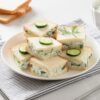
There’s something especially comforting about enjoying a slice of cake with a freshly brewed cup of tea. Whether it’s a simple vanilla sponge on a quiet afternoon, a rich chocolate cake for a celebration, or a homemade lemon loaf shared with friends, the right tea can make the experience even more enjoyable.
Tea and cake are traditional companions, particularly in British afternoon tea, but choosing the best combination involves more than simply brewing whatever tea happens to be in the cupboard.
Different teas have distinct flavors that can complement or contrast with the sweetness, richness, and ingredients in a cake. Earl Grey brings fragrant citrus notes that work beautifully with lemon cake, while a strong Assam can balance a dense chocolate cake. Delicate jasmine green tea may be a better partner for a light vanilla sponge or fruit-filled cake.
The best tea to serve with cake depends on the cake’s flavor and texture. Rich cakes generally pair well with robust teas, while lighter cakes often benefit from more delicate or aromatic varieties.
Fortunately, you don’t need to be a tea expert to create delicious pairings.
Here’s how to choose the best tea for chocolate cake, vanilla cake, lemon cake, carrot cake, cheesecake, and other favorites, along with simple tips for serving tea and cake together.
🍰 Why Do Tea and Cake Go So Well Together?
Tea and cake complement one another because their flavors and textures can create a pleasing balance.
Most cakes contain some combination of sugar, fat, and flour, along with ingredients such as chocolate, fruit, nuts, or spices. Depending on the recipe, the finished cake may taste rich and buttery, light and delicate, intensely sweet, or slightly tart.
Tea offers an equally wide range of flavors.
Black tea can be malty, brisk, fruity, or gently astringent. Green tea may be grassy, nutty, savory, or floral. Oolong ranges from light and fragrant to deeply roasted, while herbal infusions provide flavors such as mint, ginger, chamomile, and rooibos.
These differences allow you to approach pairing in two ways.
One is to match similar flavors. A spiced chai complements carrot cake because both may contain cinnamon, ginger, and other warming spices. Earl Grey works with lemon cake because its bergamot aroma shares a citrus character with the dessert.
The other approach is to create contrast. A strong black tea can provide a brisk counterpoint to rich chocolate frosting, while matcha’s vegetal bitterness can balance the sweetness of white chocolate cake.
According to the Tea and Herbal Association of Canada, pairing tea with food involves considering the characteristics of the tea alongside the flavors of the dish. Its recommendations include matching different tea categories with fruit, chocolate, and other desserts.
The most enjoyable combinations allow you to appreciate both the cake and the tea without either completely overwhelming the other.
🫖 Best Tea and Cake Pairings at a Glance
If you’re looking for a quick recommendation, these combinations are excellent places to start.
| Type of cake | Best tea to serve |
|---|---|
| Chocolate cake | Assam, English Breakfast, roasted oolong |
| Vanilla cake | Darjeeling, Ceylon, jasmine green tea |
| Lemon cake | Earl Grey, Darjeeling |
| Carrot cake | Masala chai, Assam |
| Red velvet cake | Earl Grey, Ceylon |
| Strawberry cake | Jasmine green tea, white tea |
| Coffee and walnut cake | English Breakfast, roasted oolong |
| Cheesecake | Jasmine green tea, oolong, rooibos |
| Fruitcake | Assam, Irish Breakfast |
| Angel food cake | White tea, jasmine green tea |
| Coconut cake | Light oolong, jasmine green tea |
| Matcha cake | Hojicha, sencha |
| Gingerbread cake | Masala chai, rooibos |
| Almond cake | Darjeeling, Earl Grey |
| Orange cake | Earl Grey, Ceylon |
These pairings are suggestions rather than strict rules. A cake’s frosting, filling, and sweetness can change which tea works best, and individual teas vary considerably within each category.
🍫 What Tea Goes Best With Chocolate Cake?
Chocolate cake is one of the richest desserts, particularly when it contains dark chocolate, ganache, or thick chocolate frosting.
Because its cocoa flavor can be intense, chocolate cake generally pairs well with teas that have enough body to remain noticeable.
Assam Black Tea
Assam is one of the best choices for chocolate cake.
This Indian black tea is known for its bold, malty flavor and substantial body. Those characteristics make it an excellent partner for rich chocolate desserts.
A cup of Assam can provide a brisk contrast to sweet frosting while complementing the deeper cocoa notes in the cake.
It works particularly well with chocolate fudge cake, chocolate layer cake, and dense chocolate loaf cakes.
You can enjoy Assam plain or add a splash of milk if you prefer a smoother cup.
Learn more about its flavor and preparation in our Assam Black Tea Guide.
English Breakfast Tea
English Breakfast is another dependable choice, especially when serving chocolate cake to guests.
Typically made from a blend of black teas, it offers a familiar, full-bodied flavor that complements rich desserts without introducing too many competing aromas.
It’s particularly good with chocolate sponge cake, chocolate buttercream, and traditional birthday cakes.
Roasted Oolong Tea
For a more unusual pairing, try roasted oolong.
Some roasted oolongs have naturally toasted, nutty, woody, or caramel-like flavors that complement chocolate’s roasted cocoa character.
A Wuyi rock oolong or a roasted Taiwanese oolong can be particularly interesting with dark chocolate cake.
If you’d like to explore the different styles, our Oolong Tea Guide explains how processing influences their flavors.
🍋 What Tea Goes Best With Lemon Cake?
Earl Grey is one of the most natural partners for lemon cake.
Its distinctive bergamot aroma brings a fragrant citrus quality that complements lemon zest, lemon glaze, and other bright flavors.
A slice of lemon drizzle cake alongside Earl Grey is a classic example of matching similar flavors.
The tea’s citrus notes reinforce the lemon without necessarily making the combination more acidic, while its black tea base provides enough body to accompany a buttery cake.
Earl Grey works particularly well with lemon pound cake, lemon poppy seed cake, and lemon sponge filled with lemon curd.
If the dessert is especially tart, a smooth Earl Grey may provide a better balance than a very strong or astringent black tea.
Darjeeling is another appealing option, particularly for lighter lemon cakes. Its floral and sometimes fruity characteristics can complement citrus without creating an overwhelmingly strong combination.
Jasmine green tea can also work with delicate lemon cakes, especially those with floral ingredients such as culinary lavender.
If you’re serving a lemon cake at afternoon tea, Earl Grey is an excellent first choice.
🤍 What Tea Goes Best With Vanilla Cake?
Vanilla cake has a relatively gentle flavor, making it particularly versatile.
However, a delicate vanilla sponge can easily be overwhelmed by a heavily spiced or intensely roasted tea.
For a simple vanilla cake, Darjeeling is one of the most appealing choices.
Depending on the harvest and processing, Darjeeling may have floral, fruity, or muscatel notes that complement vanilla without overpowering it.
A first-flush Darjeeling can be especially enjoyable with a light sponge cake, while a second-flush tea may work better with richer buttercream frosting.
Ceylon black tea is another excellent option. Its bright, balanced character makes it suitable for vanilla birthday cake, pound cake, and Victoria sponge.
For a lighter alternative, try jasmine green tea or a delicate white tea.
These teas work particularly well when the cake is served with fresh berries or a modest amount of whipped cream.
A vanilla cake with rich buttercream can also stand up to English Breakfast, especially if you prefer a traditional cup of tea with milk.
The key is considering the entire dessert rather than the cake flavor alone. A lightly sweetened vanilla sponge and a heavily frosted vanilla celebration cake may benefit from very different teas.
🥕 What Tea Goes Best With Carrot Cake?
Masala chai is one of the best tea pairings for carrot cake.
Carrot cake frequently contains cinnamon, nutmeg, ginger, or other warming spices. Masala chai often includes cardamom, cinnamon, ginger, cloves, and black pepper.
The overlapping spice flavors make the combination feel particularly harmonious.
A chai prepared with milk can also complement the richness of cream cheese frosting, creating a warm, comforting pairing.
If you prefer a less intensely spiced beverage, Assam is another excellent choice.
Its malty flavor provides a strong foundation without duplicating all the spices in the cake.
Rooibos is a wonderful caffeine-free alternative. Its naturally sweet, woody character can complement cinnamon, nuts, brown sugar, and the earthy sweetness of carrots.
Carrot cake also pairs nicely with a gently roasted oolong, especially when the recipe contains walnuts or pecans.
For an autumn afternoon or a cozy weekend gathering, carrot cake with a cup of masala chai is particularly inviting.
🍓 What Tea Goes Best With Strawberry and Berry Cakes?
Cakes made with strawberries, raspberries, blueberries, or other berries often benefit from teas that are lighter and more aromatic.
The fruit provides natural sweetness and acidity, so an overly robust tea may obscure the delicate flavors.
Jasmine green tea is a lovely choice for strawberry cake.
Its floral aroma complements the sweetness of fresh strawberries, while the green tea base provides a refreshing contrast to whipped cream or vanilla frosting.
White tea is another appealing option, particularly with strawberry shortcake, peach cake, or delicate fruit-filled sponge cakes.
Many white teas have subtle floral, fruity, or honey-like characteristics that work well with fresh fruit.
For richer berry cakes, a lightly oxidized oolong can provide enough body while maintaining a gentle flavor profile.
Raspberry chocolate cake is a different situation. Because the chocolate contributes additional richness, Earl Grey or a medium-bodied black tea may be more appropriate.
Hibiscus infusion can also create an interesting pairing with berry cakes, although its tartness may be too intense alongside particularly sour fruit fillings.
For most light strawberry cakes, jasmine green tea is an excellent starting point.
❤️ What Tea Goes Best With Red Velvet Cake?
Red velvet cake usually combines a mild cocoa flavor with a tender cake texture and tangy cream cheese frosting.
Because the chocolate flavor is generally less intense than in a traditional chocolate fudge cake, a very robust black tea isn’t always necessary.
Earl Grey is an appealing option.
Its citrus fragrance provides a contrast to the cream cheese frosting while allowing the mild cocoa flavor to remain noticeable.
Ceylon black tea also works well, particularly if you want a more traditional flavor without additional aromatics.
For red velvet cake with especially rich frosting, English Breakfast offers enough strength to complement the sweetness.
If you prefer something more unusual, a lightly roasted oolong can add subtle toasted notes that work with the cake’s cocoa character.
Avoid choosing a very delicate tea if the frosting is thick and heavily sweetened, since the tea’s flavor may become difficult to appreciate.
☕ What Tea Goes Best With Coffee Cake?
The phrase coffee cake can refer to two different types of cake.
In the United States, coffee cake often means a cinnamon or crumb-topped cake traditionally served with coffee, even though the cake itself may contain no coffee.
In Britain and elsewhere, coffee cake often contains coffee as an ingredient, sometimes combined with walnuts or coffee buttercream.
These versions benefit from slightly different tea pairings.
For American-style cinnamon coffee cake, masala chai, Assam, or English Breakfast are excellent choices.
Chai complements cinnamon and brown sugar, while black tea offers a more straightforward contrast to the sweet crumb topping.
For coffee and walnut cake containing actual coffee, try a strong English Breakfast or roasted oolong.
The tea needs enough flavor to remain noticeable alongside the coffee, while roasted oolong can complement the walnuts and toasted notes in the cake.
A mild tea may become overshadowed by a strongly flavored coffee frosting, so richer varieties are usually more suitable.
🍰 What Tea Goes Best With Cheesecake?
Cheesecake has a creamy, rich texture that can be balanced beautifully by tea.
However, the best pairing depends on whether you’re serving plain cheesecake, fruit-topped cheesecake, chocolate cheesecake, or another variation.
For a classic New York-style cheesecake, jasmine green tea offers a refreshing contrast.
Its floral aroma provides a lighter counterpoint to the dense cream cheese filling.
A lightly oxidized oolong can also work well because its smooth, floral, and sometimes creamy notes complement the dessert without becoming excessively rich.
For strawberry or raspberry cheesecake, consider white tea or a gentle green tea that allows the fruit flavors to remain prominent.
Chocolate cheesecake needs something more substantial. Assam, roasted oolong, or pu-erh may be better choices, depending on the intensity of the chocolate.
Rooibos is a useful caffeine-free option, particularly with vanilla, caramel, or spiced cheesecake.
If you’re serving several cheesecake flavors at a gathering, a balanced oolong is one of the most versatile teas to offer.
🍎 What Tea Goes Best With Apple Cake and Spice Cake?
Apple cake, gingerbread cake, and other spiced desserts are natural partners for warming teas.
Masala chai is an excellent choice because many of its spices complement ingredients commonly found in these cakes.
Cinnamon, ginger, cardamom, and cloves can reinforce the warm, comforting flavors of an apple cake or ginger loaf.
For an apple cake with a caramel glaze, consider a roasted oolong. Its toasted and sometimes caramel-like notes may complement the fruit and brown sugar.
Assam works well with denser spice cakes, especially those containing molasses or dried fruit.
Rooibos is another particularly appealing option.
Its naturally sweet, woody flavor can pair with apples, pears, cinnamon, and nuts without introducing caffeine.
Chamomile, with its gentle floral and sometimes apple-like character, can be lovely alongside a lightly spiced apple sponge or honey cake.
For rich gingerbread or a strongly spiced holiday cake, however, chamomile may be too delicate. In those cases, chai or a substantial black tea is usually a better match.
🍇 What Tea Goes Best With Fruitcake?
Traditional fruitcake can be dense, sweet, and intensely flavored, often containing dried fruits, nuts, and warming spices.
Because it has such a strong flavor profile, it pairs best with teas that can stand up to its richness.
Assam is one of the most dependable choices. Its malty character complements dried fruit, brown sugar, and the darker flavors found in many fruitcakes.
Irish Breakfast is another good option, especially if you enjoy milk in your tea.
For a lighter fruit loaf with raisins or currants, Ceylon or English Breakfast may provide sufficient body without being overly strong.
Roasted oolong can also be an interesting pairing when the fruitcake contains toasted nuts.
If the cake includes citrus peel or a bright orange glaze, Earl Grey offers a contrasting bergamot aroma.
For a traditional holiday fruitcake, a strong black tea served in a warm teapot is often the simplest and most satisfying choice.
🍵 What Tea Goes Best With Matcha Cake?
Matcha cake already contains tea, so choosing a beverage to accompany it presents an interesting opportunity.
You can reinforce the matcha flavor by serving another green tea, or choose something contrasting to highlight its vegetal character.
Sencha is a natural option because its fresh, grassy, and slightly savory flavors complement matcha.
For a gentler combination, jasmine green tea can add floral notes without making the pairing excessively intense.
Hojicha is particularly interesting because its roasted character contrasts with matcha’s fresh, vegetal flavor.
The combination works especially well when the cake contains vanilla, white chocolate, or a little cream.
If you’re serving a matcha cake with strawberries, a lightly oxidized oolong may be another appealing choice.
For a homemade recipe to try, see our Tea Cake Recipes: 5 Easy Cakes & Bakes for Afternoon Tea, which includes a matcha loaf cake.
🌼 What Herbal Tea Goes Best With Cake?
Herbal infusions can be wonderful companions for cake, particularly if you want to avoid caffeine or serve dessert later in the evening.
Rooibos is one of the most versatile choices.
Its naturally sweet, woody, and sometimes vanilla-like flavor complements carrot cake, caramel cake, spice cake, and vanilla desserts.
Peppermint infusion is particularly good with chocolate cake because mint and cocoa are such familiar partners.
A rich chocolate brownie or slice of dark chocolate cake can be especially enjoyable with a cup of unsweetened peppermint tea.
Chamomile works better with delicate flavors. Try it with honey cake, simple vanilla sponge, or a lightly spiced apple cake.
Hibiscus provides a brighter, tarter option that can complement fruit-based cakes, especially those containing berries.
Ginger infusion can work well with lemon cake, gingerbread, or other desserts featuring citrus and warming spices.
Pure rooibos, chamomile, peppermint, and ginger infusions are naturally caffeine-free, although blends may contain caffeinated ingredients.
Remember that chocolate cake can also contain caffeine from cocoa, even when served with a caffeine-free herbal infusion.
🌡️ How to Brew Tea for Serving With Cake
Brewing your tea properly is just as important as choosing a good flavor pairing.
Even a tea that naturally complements a cake may taste unpleasant if it becomes excessively bitter or astringent.
Different tea varieties require different water temperatures and steeping times.
For many black teas, water around 195–212°F and a steeping time of approximately three to five minutes are useful starting points.
Green teas generally benefit from cooler water, often around 160–185°F, and shorter steeping times.
Oolong varies considerably by style. Light floral varieties may require different preparation from heavily roasted teas.
Herbal infusions often benefit from hotter water and longer steeping times, depending on the ingredients.
The UK Tea & Infusions Association recommends using fresh water and following the brewing instructions for the particular tea.
It’s also worth considering whether you want to add milk or sweetener.
A robust black tea with a splash of milk can be lovely alongside a rich cake, while a delicate floral tea is often best enjoyed plain.
If the cake is already very sweet, try tasting the tea without sugar first. The cake may provide enough sweetness to balance the cup.
For more detailed brewing advice, see our How to Brew Tea Guide and Best Water Temperature for Tea.
🫖 How to Serve Tea With Cake at an Afternoon Tea Party
Serving tea and cake together can be as simple as placing a few slices of cake beside a freshly brewed pot of tea.
However, if you’re hosting an afternoon tea party, a little planning can make the experience more enjoyable.
You don’t need to offer a separate tea for every cake. Two or three well-chosen varieties can provide enough flexibility for guests with different preferences.
A practical selection might include one classic black tea, such as English Breakfast or Assam, one lighter or more fragrant option, such as Earl Grey or jasmine green tea, and one caffeine-free herbal infusion.
Choose cakes that provide some variety in flavor and texture.
For example, a lemon cake, a small chocolate cake, and a lightly sweetened vanilla sponge give guests several different options without creating an overwhelming dessert table.
Cut cakes into modest portions, particularly if you’re also serving sandwiches, scones, and other pastries.
Prepare the tea shortly before serving so the flavor is fresh, then remove the leaves or tea bags when steeping is complete.
Serve milk, sugar, honey, and lemon separately so guests can customize their cups.
If you’re planning a larger gathering, our Tea Party Menu Ideas for Adults provides additional suggestions for building a balanced afternoon tea menu.
⚖️ How to Choose the Right Tea for Any Cake
When you’re faced with an unfamiliar cake, you don’t need to memorize an entire list of tea pairings.
Instead, think about three characteristics: the richness of the cake, its dominant flavor, and the sweetness of the frosting or filling.
A rich cake generally needs a tea with enough strength to remain noticeable. Chocolate fudge cake, dense fruitcake, and heavily frosted layer cakes often pair well with robust black teas or roasted oolongs.
Lighter cakes usually benefit from gentler teas. Vanilla sponge, angel food cake, and delicate fruit cakes can be lovely with Darjeeling, jasmine green tea, white tea, or light oolong.
Next, look for shared flavors.
Citrus cakes often work well with Earl Grey, spiced cakes with chai, and nutty cakes with roasted teas.
Finally, consider contrast.
A sweet, creamy cake may benefit from a slightly brisk tea, while a tart fruit cake may pair better with a smooth tea that doesn’t add excessive acidity or astringency.
You can also experiment with the same cake and several different teas.
Try a small bite of cake, followed by a sip of tea, and notice how the flavors change. Then reverse the order and see whether your impression is different.
The goal isn’t to find a single technically correct pairing. It’s to discover a combination that makes both the tea and cake enjoyable.
❓ Is Black Tea or Green Tea Better With Cake?
Neither is universally better. The right choice depends on the cake.
Black tea is often more suitable for rich desserts because many varieties have enough body and briskness to complement chocolate, buttercream, caramel, and dried fruit.
Green tea tends to work particularly well with lighter cakes, including vanilla sponge, fruit cakes, and some cheesecakes.
There are exceptions, of course.
Matcha can be quite intense and may pair beautifully with white chocolate cake, while a smooth black tea can be lovely with a simple sponge.
If you’re unsure, start with black tea for a rich cake and a lighter green or oolong tea for a delicate dessert.
🥛 Should You Put Milk in Tea When Serving Cake?
Milk can be a good addition when you’re serving robust black tea alongside cake.
Assam, English Breakfast, and many Irish Breakfast blends are strong enough to retain their flavor when milk is added.
A creamy cup of black tea may complement a simple sponge, fruitcake, or buttery pound cake.
However, adding milk isn’t always necessary.
If the cake already contains a rich cream filling or thick frosting, you may prefer the contrast of tea served plain.
Delicate green teas, white teas, and floral oolongs are usually best tasted without milk initially because their flavors can become muted.
Ultimately, the choice comes down to personal preference. Try the tea plain first, then add milk if you think the pairing would benefit from a softer flavor.
💚 Final Thoughts
Tea and cake are a classic combination, but choosing the right tea can make even a simple slice of cake feel more special.
For chocolate cake, begin with Assam, English Breakfast, or roasted oolong. Their substantial flavors complement rich cocoa and sweet frosting.
Earl Grey is a natural choice for lemon cake, while Darjeeling and Ceylon work beautifully with vanilla sponge and lighter desserts.
Masala chai is especially appealing with carrot cake, gingerbread, and other spiced cakes. Jasmine green tea and white tea make lovely companions for strawberry cake, delicate fruit desserts, and lighter cheesecakes.
If you prefer herbal infusions, rooibos, peppermint, and chamomile provide plenty of options for pairing with everything from chocolate cake to honey-sweetened sponge.
The best combinations usually follow a simple principle: match the intensity of the tea to the richness of the cake, then look for complementary or contrasting flavors.
But don’t be afraid to experiment. Different teas can bring out surprising qualities in familiar desserts, and your favorite combination may not be the most traditional one.
Whether you’re hosting a formal afternoon tea or enjoying a slice of homemade cake at the kitchen table, a thoughtfully chosen cup of tea can make the moment even more enjoyable.
🔗 Related Articles
- Tea Cake Recipes: 5 Easy Cakes & Bakes for Afternoon Tea
- Tea Party Menu Ideas for Adults: Sandwiches, Scones, Sweets & Tea
- Tea by Goal/Occasion: How to Choose the Right Tea for the Moment
- Assam Black Tea: Flavor, History & How to Brew It
- Oolong Tea Guide: Types, Flavor, Caffeine, Brewing & Benefits
- How to Brew Tea: Water Temperature, Steeping Times & Brewing Methods
- Best Water Temperature for Tea: A Complete Brewing Guide by Tea Type
📚 Sources & Further Reading
- Tea and Herbal Association of Canada — Cooking & Pairing
- Twinings — Food Pairing With Tea
- UK Tea & Infusions Association — The Perfect Brew
- Porter Hill — Tea and Cake Pairing Guide
- Penningtons Coffee — The Perfect Tea and Cake Pairings for Afternoon Tea