There’s something wonderful about discovering a new tea. One cup might remind you of fresh flowers and honey, while another tastes like toasted nuts, ripe peaches, or warm spices.
But when you drink the same familiar tea every day, it’s easy to overlook just how different one variety can be from another.
Hosting a tea tasting at home is a delightful way to explore those differences.
You don’t need to be a tea expert, own an expensive collection of teapots, or have a specially trained palate. With a few carefully chosen teas, some small cups, hot water, and a comfortable place to sit, you can create an enjoyable tasting experience right in your kitchen or dining room.
A tea tasting can be a quiet activity for one, a relaxing afternoon with a friend, or an entertaining gathering for a small group.
It’s also a wonderful way to discover your favorite tea styles, learn about different growing regions, and appreciate the aromas and flavors that make tea so interesting.
Here’s how to set up a tea tasting at home, choose the right teas, prepare your tasting table, and guide everyone through the experience.
🍵 What Is a Tea Tasting?
A tea tasting is an opportunity to sample several teas while paying attention to their individual characteristics.
Instead of simply deciding whether you like a cup, you take a moment to consider what makes it distinctive.
You might notice the tea’s appearance, aroma, flavor, texture, and aftertaste.
For example, a Japanese sencha might have fresh, grassy notes, while an Assam black tea could taste rich and malty. A lightly oxidized oolong may offer floral aromas and a smooth, almost creamy mouthfeel.
Comparing these teas makes their differences much easier to recognize.
Professional tea tasters often use a structured process called tea cupping, which involves preparing samples under controlled conditions.
A home tea tasting can borrow some of those techniques without becoming overly formal.
The purpose isn’t to score every tea or identify dozens of obscure flavors.
It’s to explore different teas, enjoy the experience, and discover what appeals to your palate.
If you’re interested in a more structured approach, our Tea Cupping Guide: How to Taste, Evaluate & Compare Tea explains the professional-style tasting process.
🫖 What Do You Need for a Tea Tasting at Home?
One of the nicest things about hosting a tea tasting is that you probably already own most of the necessary equipment.
There’s no need to purchase an elaborate tea service or expensive professional tasting bowls.
For a simple tasting, gather the following:
- Two to four different teas: Choose teas with contrasting flavors or a shared theme.
- Small teacups: Matching cups are helpful but not essential.
- A kettle: An electric or stovetop kettle works well.
- Teapots or infusers: Enough to brew each tea separately.
- A timer: Use a kitchen timer or phone.
- A small kitchen scale: Helpful for measuring loose-leaf tea consistently.
- Fresh water: Use the same water source for every sample.
- Labels or note cards: Identify each tea.
- A notebook or tasting sheet: Record observations and favorites.
- Plain drinking water: Useful for refreshing your palate.
A white or light-colored teacup is especially helpful because it makes the color of the brewed tea easier to observe.
If you don’t own several teapots, you can use individual infusers or brew the teas one at a time.
You can even host a tasting using tea bags.
Loose-leaf tea offers the added pleasure of examining the dry and wet leaves, but it isn’t essential for learning about flavor.
The most important thing is to prepare each tea carefully and serve it in a way that makes comparisons easy.
🌿 How Many Teas Should You Include?
For a beginner tea tasting, three teas are an excellent starting point.
This provides enough variety to make comparisons interesting without overwhelming your palate.
Two teas can also work beautifully, particularly if you want to explore subtle differences within one category.
For example, tasting two different Assam black teas may reveal differences in maltiness, sweetness, body, and astringency.
A selection of five or six teas can be enjoyable for more experienced tea drinkers, but it requires additional preparation and more time.
For a relaxed home tasting, three well-chosen teas will usually provide plenty to discuss.
Three-Tea Tasting Ideas
| Tasting theme | Suggested teas | What to compare |
|---|---|---|
| Discover Tea Types | Sencha, oolong, Assam | Vegetal, floral, and malty flavors |
| Black Tea Comparison | Assam, Darjeeling, Ceylon | Body, brightness, fruitiness, and astringency |
| Green Tea Exploration | Sencha, Longjing, hojicha | Grassy, nutty, and roasted characteristics |
| Oolong Discovery | Light Tieguanyin, Dong Ding, Wuyi oolong | Floral, roasted, and mineral impressions |
| Gentle & Delicate | White peony, jasmine green tea, light oolong | Floral aromas, sweetness, and mouthfeel |
| Roasted Tea Tasting | Hojicha, roasted oolong, Keemun | Toasted, nutty, and cocoa-like notes |
These tasting combinations are suggestions, not strict rules.
You can create a wonderful tasting using three teas already sitting in your cupboard.
🌸 Choose a Theme for Your Tea Tasting
A theme can make the experience feel more organized and enjoyable.
It also helps you choose teas that work well together.
Explore Different Tea Types
One of the easiest themes for beginners is comparing several broad tea categories.
For example, choose a green tea, an oolong, and a black tea.
These teas all come from the Camellia sinensis plant, but differences in processing create distinct aromas and flavors.
A green tea may seem fresh and grassy, while an oolong offers floral or roasted characteristics. A black tea may have a stronger, more malty flavor.
This is a wonderful introduction to tea’s diversity.
Compare Teas from Different Countries
Another interesting approach is to explore tea-growing regions.
You might choose a Japanese sencha, a Chinese Longjing, and an Indian Darjeeling.
As you taste, consider how each tea differs in aroma, flavor, and texture.
You can also read a little about the places where the teas were grown.
The experience becomes a small journey through tea culture without leaving your dining room.
Taste Different Teas of the Same Type
If you’re already familiar with black tea, try comparing three varieties.
Assam, Darjeeling, and Ceylon make an interesting combination.
All three are commonly classified as black teas, yet they may have remarkably different characteristics.
Assam is often rich and malty. Darjeeling may be floral or fruity, while Ceylon teas can have bright, brisk qualities.
Comparing related teas is particularly useful when you want to develop a more detailed understanding of flavor.
Host a Blind Tea Tasting
For a playful variation, arrange a blind tasting.
Label the samples A, B, and C without revealing their identities.
Ask everyone to describe the teas and choose a favorite.
Afterward, reveal the names.
You might be surprised by the results.
Someone who claims not to enjoy green tea may discover that a roasted Japanese green tea is their favorite sample.
Blind tasting can also reduce the influence of brand names, packaging, prices, and preconceived expectations.
🏡 How to Arrange Your Tea Tasting Table
A home tea tasting doesn’t need elaborate decorations, but a little organization makes the experience much more pleasant.
Choose a comfortable table with enough room for the tea samples, cups, and note cards.
A dining table works beautifully, although a kitchen island or coffee table can be just as suitable.
If possible, choose a room with natural light.
This makes it easier to examine the color of the brewed teas.
Arrange the teas in the order you plan to taste them.
For a three-tea tasting, place the samples in a row and identify them with small labels.
You can write the tea name on each card or use letters if you’re conducting a blind tasting.
Keep a separate area for the kettle and hot brewing equipment.
This prevents the tasting table from becoming cluttered and reduces the risk of spills.
A small vase of flowers or a simple tablecloth can make the gathering feel special, but avoid strongly scented candles, incense, and heavy room fragrances.
Strong surrounding aromas can interfere with your ability to appreciate the tea.
The best tea tasting table is attractive, comfortable, and simple enough that the tea remains the focus.
💧 Use the Same Water for Every Tea
Water quality can noticeably influence how tea tastes.
Minerals, chlorine, and other characteristics of water can affect flavor, aroma, clarity, and mouthfeel.
For a home tea tasting, the most important thing is consistency.
Try to use the same water source for every tea.
If your tap water has a strong chlorine smell or unpleasant taste, filtered water may be preferable.
You don’t need to purchase expensive bottled water.
Ordinary drinking water that tastes clean and pleasant is usually a suitable starting point.
If you’re comparing similar teas, using the same water allows you to focus more confidently on differences between the leaves.
For more brewing guidance, see our Tea Brewing & Ratios Guide.
🌡️ Brew Each Tea at the Right Temperature
Brewing temperature can make an enormous difference in a tea tasting.
Water that’s too hot may create excessive bitterness or astringency in some delicate teas, while water that’s too cool may leave other teas tasting weak.
This is particularly important when you’re comparing green, oolong, and black teas.
For a relaxed home tasting, begin with the brewing instructions recommended for each tea.
The following temperatures and steeping times provide general starting points for Western-style brewing.
| Tea type | Water temperature | Steeping time |
|---|---|---|
| Green tea | 160–185°F (70–85°C) | 1–3 minutes |
| White tea | 170–195°F (75–90°C) | 2–5 minutes |
| Oolong tea | 180–212°F (82–100°C) | 2–5 minutes |
| Black tea | 195–212°F (90–100°C) | 3–5 minutes |
| Pu-erh tea | 195–212°F (90–100°C) | 2–5 minutes |
Individual teas may require different temperatures or steeping times, so the producer’s instructions are generally the best place to start.
For example, a delicate gyokuro may be brewed at considerably lower temperatures than many everyday green teas, while hojicha often tolerates near-boiling water.
Should Every Tea Be Brewed the Same Way?
It depends on what you’re comparing.
If you’re tasting three similar black teas, brewing them with the same leaf-to-water ratio, temperature, and steeping time can make differences easier to evaluate.
However, if you’re comparing a delicate green tea with a robust black tea, using identical temperatures may produce an unfair comparison.
A green tea brewed at a full boil might become unnecessarily bitter, while a black tea brewed at a much lower temperature may lack its characteristic richness.
For beginners, it’s usually better to prepare different styles according to their recommended methods.
Professional sensory testing is more standardized. The ISO 3103:2019 standard provides a method for preparing tea for sensory evaluation, but a relaxed home tasting doesn’t require professional cupping conditions.
⚖️ How Much Tea Should You Prepare?
Tea tasting is about sampling rather than drinking several full-sized mugs.
Small portions allow everyone to try multiple teas without becoming overwhelmed.
A serving of approximately 2–3 fluid ounces per sample is a convenient amount for a casual tasting.
For four guests, one 8-ounce pot of each tea can provide four small 2-ounce samples.
If you’d like to offer second tastes, prepare a little extra.
For ordinary Western-style brewing, approximately 2–3 grams of loose-leaf tea per 8 ounces of water is a useful starting point.
However, always check the recommended brewing ratio for the particular tea.
If you’re comparing similar teas, measure the leaves by weight rather than relying entirely on teaspoons.
A teaspoon of tightly rolled oolong may contain considerably more tea by weight than a teaspoon of fluffy white tea.
A small digital kitchen scale can make your results much more consistent.
🍃 Step 1: Begin by Examining the Dry Tea Leaves
Before brewing, spend a moment looking at the tea leaves.
Place a small sample of each tea on a clean white dish or in a separate bowl.
Notice their appearance.
Some tea leaves are long and twisted, while others are tightly rolled, flat, needle-shaped, or broken into small pieces.
A white tea may contain delicate buds covered with fine hairs, while a rolled oolong may resemble little green pellets that expand dramatically during brewing.
Look at the color and shape of the leaves.
Then bring each sample near your nose and smell it gently.
Do you notice flowers, fruit, grass, toasted grain, or something else?
Don’t worry about identifying exact aromas.
Even simple descriptions such as fresh, sweet, nutty, or earthy are useful.
Encourage guests to share what they notice before reading the tasting notes printed on the packages.
This helps everyone approach the tea with an open mind.
👃 Step 2: Smell the Tea as It Brews
Once you’ve measured your tea and heated the water, begin brewing each sample.
If the teas require different temperatures or steeping times, prepare them separately rather than trying to brew everything in one pot.
When the infusion is complete, remove the leaves or strain the tea promptly.
Allow it to cool to a comfortable drinking temperature.
Before tasting, smell the freshly brewed tea.
Some teas reveal aromas that weren’t obvious in the dry leaves.
A black tea may develop a warm, malty fragrance, while an oolong might offer floral or fruit-like characteristics.
If you’re using loose-leaf tea, you can also smell the wet leaves.
The infused leaves often release particularly interesting aromas.
A roasted oolong may smell like toasted nuts or warm bread, while a Japanese green tea might remind you of steamed vegetables.
Try comparing the aromas of two teas before taking your first sip.
You may discover that they smell surprisingly different even when their brewed colors look similar.
👀 Step 3: Observe the Color of Each Tea
The appearance of brewed tea provides another opportunity for comparison.
Pour each sample into a light-colored cup and examine the color.
Green teas can range from pale yellow to yellow-green or deeper green shades.
Black teas often produce amber, copper, reddish-brown, or dark brown infusions.
Oolongs vary enormously, from pale gold to deep amber.
White teas may appear light and delicate, while some aged or heavily processed teas produce much darker colors.
Color alone doesn’t determine quality, but it helps describe the tea’s overall character.
You can also compare clarity and brightness.
Some teas produce a clear, sparkling infusion, while others may appear slightly cloudy because of fine leaf particles or their particular composition.
Avoid assuming that darker automatically means stronger or better.
A pale tea can have an extraordinary aroma and flavor, while a darker tea may be surprisingly delicate.
👅 Step 4: Taste Each Tea Slowly
Now comes the most enjoyable part of the experience.
Begin with the lightest or most delicate tea and gradually move toward stronger flavors.
This helps prevent a particularly bold tea from overwhelming your palate before you’ve appreciated the subtler samples.
Take a small sip and allow the tea to move naturally across your mouth.
Then swallow and pause.
Instead of immediately deciding whether you like it, consider a few simple questions.
What is the first flavor you notice?
Does the tea taste sweet, grassy, floral, fruity, nutty, roasted, or earthy?
Does it feel light and refreshing or rich and full-bodied?
Is there any bitterness or astringency?
What remains after you swallow?
Give yourself time to think about each tea.
You may notice that the first sip seems ordinary, but the second reveals a subtle sweetness or floral aroma.
There is no need to identify every flavor immediately.
The purpose is to become more aware of what you’re drinking.
🌸 Step 5: Describe the Flavors and Aromas
For many beginners, describing tea is the most challenging part of a tasting.
It’s often easy to recognize that two teas taste different but harder to explain exactly how.
A simple vocabulary can help.
Rather than searching for elaborate descriptions, begin with broad flavor categories.
| Flavor category | Words to try |
|---|---|
| Floral | Jasmine, rose, orchid, honeysuckle |
| Fruity | Peach, apricot, citrus, berries, dried fruit |
| Vegetal | Grass, spinach, green beans, seaweed |
| Nutty | Chestnut, almond, hazelnut |
| Sweet | Honey, caramel, sugarcane, malt |
| Roasted | Toasted bread, cocoa, roasted grain |
| Earthy | Wood, forest floor, damp leaves |
| Spicy | Cinnamon, clove, pepper, ginger |
| Savory | Broth, seaweed, umami |
These are comparisons, not necessarily ingredients contained in the tea.
A naturally floral oolong may smell like orchids without having any flowers added.
A black tea may remind you of honey or chocolate even though it contains neither ingredient.
Encourage guests to describe what they genuinely notice.
Someone might call a tea “sweet and fruity,” while another describes the same cup as “floral with a hint of peach.”
Different impressions are part of the fun.
🌊 Step 6: Notice Mouthfeel and Aftertaste
Two teas can have similar flavors but feel completely different when you drink them.
This is called mouthfeel.
Some teas feel light and delicate, while others have a substantial, rounded body.
A lightly oxidized oolong may seem silky or creamy, while a robust black tea might feel brisk and slightly drying.
One particularly useful term is astringency.
Astringency refers to the drying or puckering sensation sometimes experienced after drinking tea.
It isn’t exactly the same as bitterness.
Bitterness is a taste, while astringency is a physical sensation associated partly with interactions between tea polyphenols and proteins in saliva.
A tea can be pleasantly astringent without being unpleasantly bitter.
After swallowing, notice the finish.
Does the flavor disappear quickly?
Does a sweet or floral impression remain?
Some teas leave a long, lingering aftertaste, while others finish cleanly and quickly.
Neither is automatically better.
The important thing is to notice the difference.
📝 Step 7: Record Your Tea Tasting Notes
A tasting sheet can make the experience more memorable.
It doesn’t need to be complicated.
For beginners, recording a few basic observations is enough to help distinguish the samples.
You can create a simple sheet like this:
Simple Tea Tasting Sheet
| What to record | Your observation |
|---|---|
| Tea name | |
| Tea type or origin | |
| Appearance | |
| Aroma | |
| Main flavors | |
| Mouthfeel | |
| Aftertaste | |
| Overall impression | |
| Would I drink it again? |
You can also use a simple preference rating if you enjoy comparing favorites.
However, a numerical score isn’t necessary.
A note such as “Beautiful floral aroma, smooth texture, but a little too delicate for my taste” may be more useful than a score of 7 out of 10.
Example Tea Tasting Notes
Tea: Assam Black Tea
Appearance: Deep reddish amber
Aroma: Malted grain and honey
Flavor: Rich, bold, slightly sweet
Mouthfeel: Full-bodied and moderately astringent
Finish: Warm, lingering maltiness
Overall impression: A comforting tea that would be wonderful with breakfast.
These are illustrative notes. Your own Assam may taste different.
The goal is to create a record of your experience so you can recognize your favorites and compare future teas.
🔄 Step 8: Taste the Teas Again
After everyone has tried the first round, return to the samples.
You may find that a tea tastes different the second time.
Perhaps you initially thought an oolong was simply floral, but after tasting a strong black tea, its sweetness becomes more noticeable.
Or you might discover that a green tea has a nutty character you missed during the first sip.
Tea also changes as it cools.
Some aromatic characteristics become easier to recognize at lower temperatures.
Allowing the tea to cool slightly can help reveal differences that were less obvious when the infusion was very hot.
If you’re using high-quality loose-leaf tea, consider brewing the leaves again.
Many oolongs, white teas, and other whole-leaf teas can produce several enjoyable infusions.
The flavor may change from one steep to the next.
Comparing those changes can be an interesting activity in itself.
🍪 Should You Serve Food at a Tea Tasting?
Absolutely, although it’s helpful to separate the focused tasting from the food portion of the gathering.
Strongly flavored foods can influence how you perceive tea.
Chocolate, spicy snacks, citrus desserts, and heavily seasoned dishes may linger on the palate and make delicate tea aromas harder to recognize.
For this reason, begin with the teas on their own.
Keep plain water available between samples.
Unsalted crackers or plain bread can also be useful if guests want something neutral between teas.
Once everyone has finished the initial tasting, bring out the food.
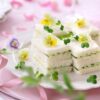
Small sandwiches, scones, cookies, fruit, and simple pastries can transform the tasting into a lovely afternoon gathering.
You might even experiment with food pairings.
For example, try a malty black tea with a small piece of milk chocolate, or a floral green tea with a delicate vanilla cookie.
Notice whether the food changes your impression of the tea.
Our What Tea Goes Best With Chocolate? guide offers plenty of combinations to explore.
If you’re hosting a larger afternoon gathering, our Tea Sandwich Recipes collection includes easy savory options.
🕯️ How to Make a Tea Tasting Feel Special
A tea tasting can be as relaxed or elegant as you like.
A quiet afternoon for two might require nothing more than a small tray, a few cups, and a notebook.
A gathering with friends could include pretty teaware, flowers, soft music, and a plate of treats to enjoy afterward.
You might create simple tasting cards with each tea’s name and country of origin.
For a regional tasting, include a small map showing where the teas were grown.
Another lovely idea is to place the dry tea leaves in tiny glass dishes so guests can examine them before brewing.
If you enjoy seasonal gatherings, consider designing a tasting around the time of year.
An autumn tea tasting might feature roasted oolongs, malty black teas, and warm, comforting flavors.
A spring tasting could emphasize delicate white teas, fresh green teas, and floral oolongs.
For a winter afternoon, rich black teas and darker roasted varieties can feel especially cozy.
The decorations don’t need to be elaborate.
Often, the most memorable part of a tea tasting is simply sharing the discovery of a beautiful new flavor.
🕒 A Sample One-Hour Tea Tasting Schedule
If you’re hosting a few friends and want a simple structure, approximately one hour is enough for a relaxed three-tea tasting.
Here’s one possible plan.
| Time | Activity |
|---|---|
| First 10 minutes | Welcome guests, introduce the teas, examine dry leaves |
| Next 10 minutes | Brew the teas and explore their aromas |
| Next 15 minutes | Taste each tea and discuss flavors |
| Next 10 minutes | Compare favorites and revisit the samples |
| Final 15 minutes | Enjoy snacks, conversation, and optional food pairings |
This schedule is flexible.
Some groups may prefer to spend longer discussing aromas and flavors, while others will want to move quickly into casual conversation.
If you’re hosting more than four or five people, allow extra time for preparing and serving the tea.
You can also extend the gathering into a full afternoon tea by adding sandwiches, scones, and desserts after the tasting.
The tasting itself should feel enjoyable rather than rushed.
🎲 Fun Tea Tasting Activities to Try
Once you’ve hosted a basic tasting, there are plenty of ways to make the experience more interactive.
Guess the Tea
Prepare three unlabeled samples and ask guests to identify which is green, black, or oolong.
For beginners, choosing teas with noticeably different characteristics makes the game easier.
Reveal the answers after everyone has made a guess.
Match the Aroma
Provide a few familiar aromatic references, such as dried orange peel, cinnamon, toasted almonds, or fresh mint.
Ask guests whether any of those fragrances remind them of the teas.
The goal isn’t to make everyone agree.
It’s to help people connect familiar scents with tea aromas.
Choose a Favorite
Ask everyone to rank the teas according to personal preference.
Then compare the results.
You may discover that the most delicate tea is someone’s favorite, while another guest prefers the strongest black tea.
This is a wonderful reminder that tea appreciation is personal.
Compare Brewing Methods
Choose one tea and prepare it two different ways.
For example, brew a green tea once with moderately hot water and once at a slightly lower temperature, using the same leaf quantity and steeping time.
Compare the results.
You may notice changes in bitterness, sweetness, aroma, or mouthfeel.
This is an excellent way to understand why brewing technique matters.
Create a Tea Flavor Challenge
Ask each guest to describe a tea using just three words.
For example, a roasted oolong might be described as nutty, warm, smooth.
A green tea might be fresh, grassy, savory.
A black tea might be malty, bold, brisk.
This simple exercise encourages observation without making tasting feel intimidating.
☕ Common Tea Tasting Mistakes to Avoid
A few small mistakes can make tea comparisons less enjoyable or less informative.
Choosing Too Many Teas
Trying to taste ten unfamiliar teas at once can be overwhelming.
For your first session, two or three teas provide plenty of variety.
You can always plan another tasting later.
Using Inconsistent Brewing Methods
If one tea is brewed much stronger than another, you may be comparing brewing strength rather than the tea’s natural characteristics.
For similar teas, use consistent leaf quantities, water volumes, and brewing conditions.
For different types, follow the recommended preparation method for each.
Serving Tea Too Hot
Extremely hot tea can burn your mouth and make it difficult to appreciate subtle flavors.
Allow every sample to cool to a comfortable drinking temperature.
Adding Milk or Sugar Immediately
Milk, sugar, honey, and lemon can change the flavor and texture of tea.
Taste each sample plain first.
Afterward, feel free to experiment with additions if that’s how you normally enjoy your tea.
Serving Strongly Flavored Food First
Spicy snacks, rich desserts, and strong cheeses may interfere with your ability to recognize delicate tea flavors.
Save these foods until after the initial tasting.
Assuming Everyone Should Taste the Same Things
Aroma and flavor perception vary from person to person.
One guest may recognize peach, while another notices flowers or honey.
There isn’t a single correct answer for every tasting note.
Encourage discussion rather than treating tea tasting like an exam.
🌱 Hosting a Tea Tasting for Beginners
If your guests are new to tea, the most important thing is to keep the atmosphere welcoming.
Avoid introducing too much technical terminology at once.
You don’t need to discuss oxidation levels, cultivar differences, or detailed chemical compounds unless people are interested.
Instead, begin with familiar comparisons.
Ask whether the tea reminds anyone of fruit, flowers, nuts, vegetables, or toasted foods.
Explain that tasting notes are descriptions of sensory impressions, not necessarily ingredients added to the tea.
It may also help to let guests know that they don’t need to enjoy every sample.
Someone who loves rich black tea may find a delicate white tea too mild.
Another guest may appreciate floral oolong but dislike grassy green tea.
These preferences are useful discoveries.
A successful tea tasting isn’t one where everyone agrees.
It’s one where everyone leaves knowing a little more about the teas they enjoy.
🌙 Can You Host a Caffeine-Free Tea Tasting?
Yes. If you or your guests prefer to avoid caffeine, a tasting built around herbal infusions can be a lovely alternative.
Traditional black, green, white, and oolong teas all naturally contain caffeine, although the amount varies.
Herbal infusions made from plants other than Camellia sinensis often provide caffeine-free options.
For example, you could compare peppermint, chamomile, and rooibos.
Peppermint has a fresh, cooling flavor.
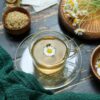
Chamomile often has delicate floral and apple-like characteristics.
Rooibos can be naturally sweet, woody, and gently earthy.
Although herbal infusions are not technically the same as traditional tea, they can be explored using many of the same tasting methods.
Check ingredient labels, particularly with flavored blends, because some products combine herbs with caffeinated tea leaves.
Also consider any ingredient allergies or other dietary restrictions among your guests.
A caffeine-free tasting can be especially enjoyable for an evening gathering.
❓ Frequently Asked Questions About Hosting a Tea Tasting
How Many Teas Should You Have at a Tea Tasting?
Two or three teas are ideal for beginners.
They provide enough variety for meaningful comparisons without making the experience overwhelming.
More experienced tea drinkers may enjoy tasting four to six samples.
How Much Tea Should You Serve Per Person?
Approximately 2–3 fluid ounces per tea is a practical starting point.
Small servings allow guests to try several teas without drinking multiple full-sized cups.
You can prepare extra for second tastes.
Do You Need Special Tea Tasting Cups?
No.
Small teacups or ordinary mugs work perfectly well.
Matching, light-colored cups are helpful because they make comparisons easier, but specialized equipment isn’t required.
Can You Host a Tea Tasting with Tea Bags?
Yes.
Good-quality tea bags can be used for an enjoyable tasting.
Prepare each tea according to its brewing instructions and compare the aromas, flavors, and mouthfeel.
Loose-leaf tea provides additional opportunities to observe the leaves, but it isn’t essential.
Should You Taste Tea Hot or Cold?
Tea is best tasted at a comfortable drinking temperature.
Avoid tasting it while it’s hot enough to burn your mouth.
You may also enjoy revisiting the tea as it cools to discover how the flavor changes.
What Order Should You Taste Teas In?
A common approach is to begin with lighter, more delicate teas and gradually move toward stronger flavors.
For example, you might taste white tea or a delicate green tea before moving to oolong and then black tea.
Intensely smoky or strongly flavored teas are often best saved for the end.
Should Tea Be Sweetened During a Tasting?
Taste the tea plain first so you can appreciate its natural characteristics.
Afterward, you can experiment with milk, honey, sugar, lemon, or other additions.
How Long Does a Tea Tasting Take?
A simple tasting with three teas can take approximately 45–60 minutes.
If you’re including a full afternoon tea menu, games, or extensive conversation, you may want to allow longer.
Is Tea Tasting the Same as Tea Cupping?
They’re closely related, but not exactly the same.
Tea tasting is a broad activity focused on experiencing and describing tea.
Tea cupping generally refers to a more controlled process used to compare teas systematically.
A relaxed home tea tasting can incorporate cupping techniques without following every professional procedure.
Do You Have to Spit Out Tea During a Tasting?
No.
Professional tasters sometimes spit out tea when evaluating many samples, but this isn’t necessary for a small home tasting.
Simply serve modest portions and take breaks as needed.
What Foods Go Well with a Tea Tasting?
Plain crackers or bread are useful during the initial tasting.
Afterward, you can serve scones, tea sandwiches, cookies, fruit, pastries, or chocolate.
Try pairing different foods with the teas to see how the flavors interact.
What If I Can’t Identify Any Specific Tea Flavors?
That’s perfectly normal.
Start with simple observations such as strong, mild, sweet, bitter, fresh, or smooth.
As you compare more teas, distinguishing characteristics becomes easier.
You don’t need elaborate tasting notes to enjoy tea.
🌸 Discovering Tea Together
Setting up a tea tasting at home is a wonderful way to explore the world of tea without needing professional training or elaborate equipment.
All you really need is a small selection of interesting teas, a few cups, and a willingness to pay attention to what you’re drinking.
You may discover that a familiar black tea has a warm, malty character you’ve never noticed before.
Perhaps a green tea surprises you with its toasted nut flavors, or a floral oolong becomes your new favorite afternoon drink.
If you’re sharing the experience with friends, you may also find that everyone notices something different.
One person might love the bright, refreshing character of a Japanese green tea, while another prefers the richness of an Indian black tea.
Those differences are part of what makes tea tasting so enjoyable.
You don’t have to identify every flavor, use professional terminology, or agree on which tea is best.
The real pleasure comes from slowing down, exploring the aromas, comparing the flavors, and appreciating how much variety can exist in a simple cup of tea.
And when the tasting is over, you may find yourself with a new favorite tea—or the inspiration to host another tasting and continue exploring.
🔗 Related Reading
Explore more tea tasting, brewing, and hosting guides from SereniTea Room:
- Tea Cupping Guide: How to Taste, Evaluate & Compare Tea
- Tea Brewing & Ratios
- How to Brew Tea: Water Temperature, Steeping Times & Brewing Methods
- Best Water Temperature for Tea: A Complete Brewing Guide by Tea Type
- Tea Gear: Essential Tools for Brewing Better Tea at Home
- Tea Parties & Afternoon Tea: Ideas, Menus, Etiquette & Hosting Tips
- Tea Party Ideas for Women: Themes, Décor, Food & Activities
- Tea Sandwich Recipes: 15 Easy Finger Sandwiches for Afternoon Tea
- What Tea Goes Best With Chocolate? A Guide to Delicious Pairings
📚 Sources & Further Reading
- International Organization for Standardization — ISO 3103:2019, Tea Preparation for Sensory Tests
- Tea and Herbal Association of Canada — How to Brew Tea
- SereniTea Room — Tea Cupping Guide: How to Taste, Evaluate & Compare Tea